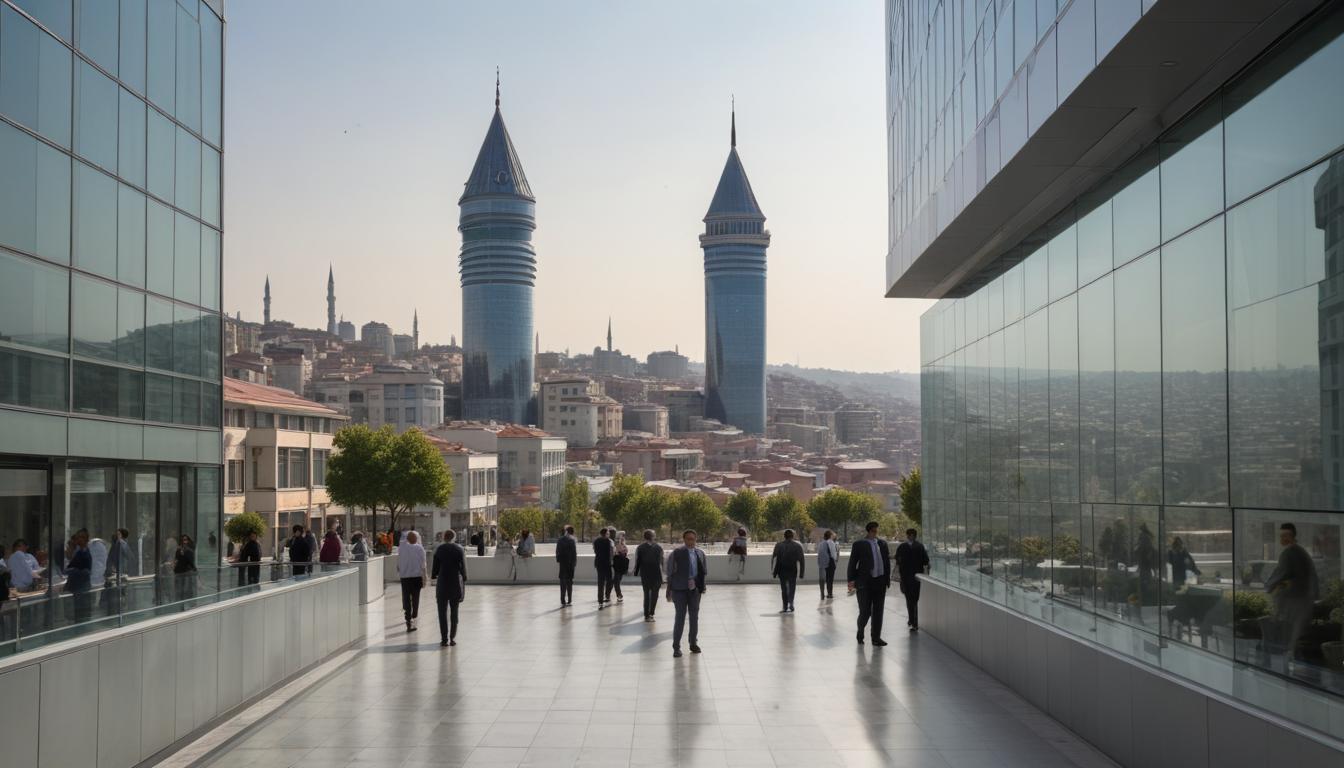
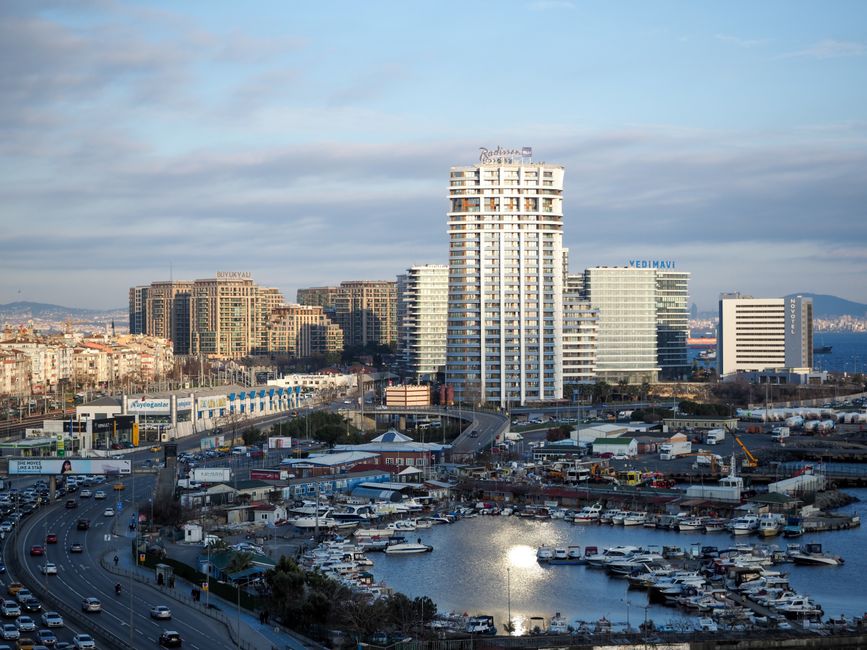
Walk through the bustling corridors of the Istanbul Chamber of Commerce building in Findikzade, and you'll encounter a palpable sense of caution among Turkey's business elite. Six months into 2026, the optimism that characterised early-year forecasts has given way to a more sobering reality: international trade—long Istanbul's lifeblood—faces unprecedented challenges that are forcing businesses across the city to fundamentally reconsider their operations.
The numbers tell a stark story. Container shipping rates through the Bosporus, the world's most critical strait for maritime commerce, have surged 23 percent compared to last year, according to preliminary data from maritime logistics firms operating in Karakoy. For the thousands of export-oriented manufacturers clustered in industrial zones across Tuzla and Küçükçekmece, these costs directly erode already-thin margins in competitive global markets.
Beyond shipping, the geopolitical landscape has become treacherous. Escalating tensions in the Middle East—where many Turkish firms source materials and sell finished goods—have created an environment of calculated risk. Companies are now factoring in the possibility of route diversification, longer transit times, and insurance premium hikes. One prominent textile exporter from Sultanbeyli described the current situation as "operating with a loaded gun on the table."
Currency volatility compounds these pressures. The Turkish lira has fluctuated wildly against major currencies, making it difficult for businesses to price exports competitively while maintaining profitability. Small and medium enterprises that dominate Istanbul's manufacturing heartland—particularly in leather goods, automotive parts, and electronics—lack the hedging tools available to larger corporations.
Sanctions regimes and trade restrictions add another layer of complexity. Uncertainty surrounding which markets remain accessible, and under what conditions, has prompted some firms to pause expansion plans and redirect capital toward domestic operations. The Istanbul Export Club, which operates from offices near the Grand Bazaar, reports member inquiries about supply chain resilience have tripled this year.
Yet Istanbul's trading community hasn't capitulated. Several businesses are exploring alternative logistics corridors through the Caucasus and Central Asia, while others are investigating nearshoring strategies to reduce exposure to disrupted routes. Investment in domestic value chains is ticking upward, and there's renewed interest in regional trade agreements that bypass traditional Western markets.
The broader message is clear: Istanbul's role as a global trade hub remains intact, but the path forward requires agility, capital investment, and a willingness to accept lower margins in exchange for stability. The question now is whether Turkey's government and private sector can coordinate effectively enough to navigate what promises to be a volatile year ahead.
This article was compiled by AI from the sources linked above and screened before publishing. See our editorial standards.