Istanbul's Office Flight to Periphery Reshapes Where High-Earners Live and Work
As multinational firms abandon pricey Maslak towers for suburban tech hubs, the city's talent geography is being redrawn.
As multinational firms abandon pricey Maslak towers for suburban tech hubs, the city's talent geography is being redrawn.
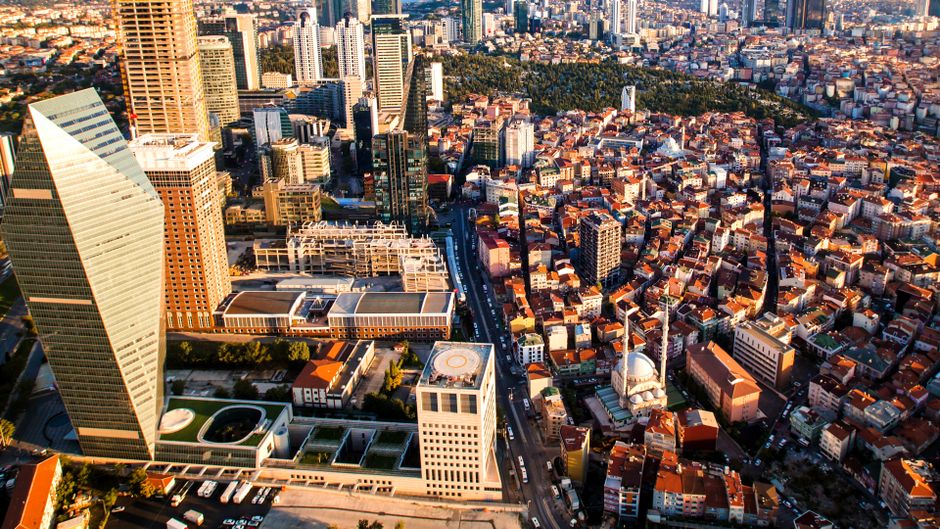
The Istanbul office market is undergoing a radical recalibration that extends far beyond real estate—it is fundamentally reshaping where talented professionals choose to live, work, and build careers.
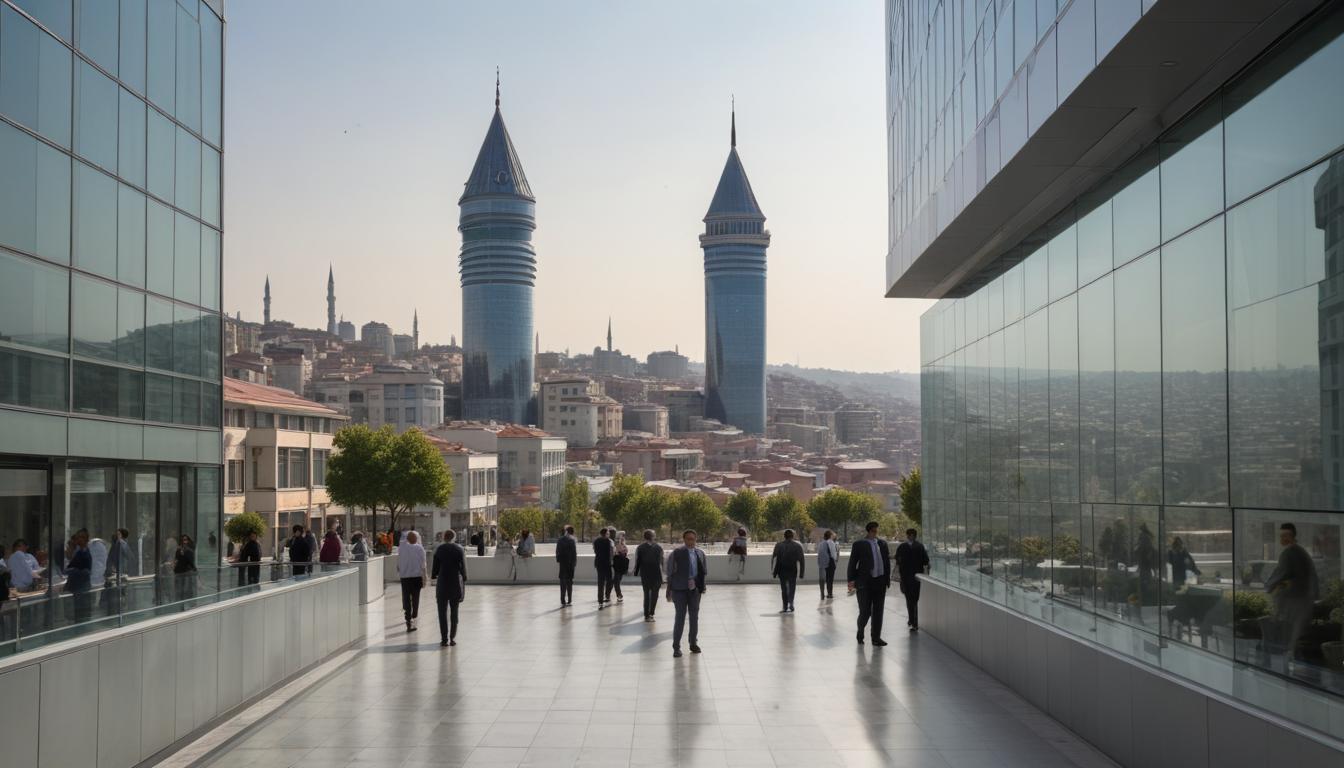
For decades, Maslak has been synonymous with corporate prestige. Yet over the past 18 months, major technology and finance companies have begun a quiet exodus from the district's gleaming but congested towers. Rental rates in Maslak's prime office blocks have plateaued around $35-40 per square metre annually, while newer developments in Pendik and Kartal along the Anatolian side now offer comparable facilities at $18-22 per square metre. The mathematics are compelling for multinational CFOs navigating currency pressures and operational costs.
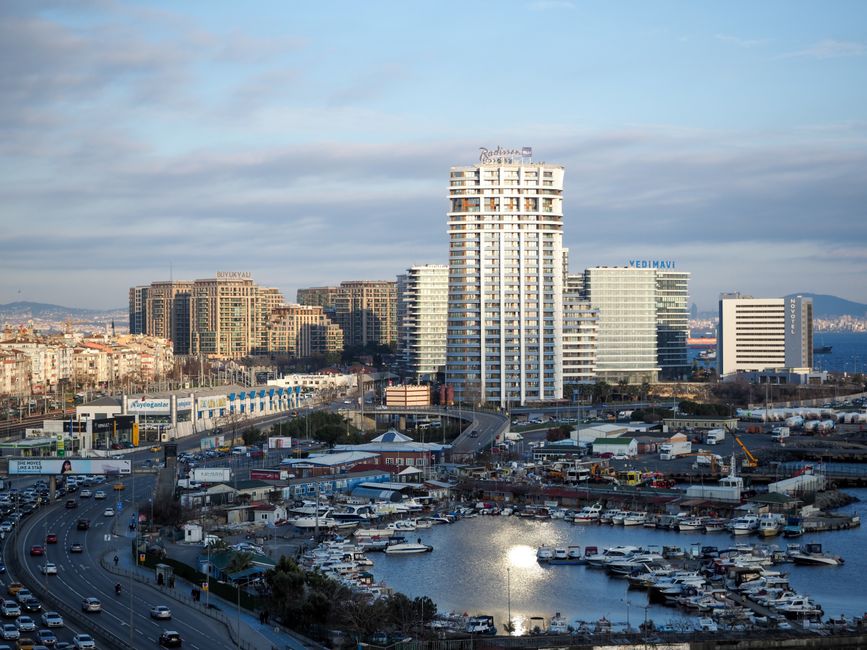
This shift is already visible on the ground. Pendik's tech corridor—anchored by the recently expanded Teknokent campus near Sabiha Gökçen Airport—has attracted over 40 software and fintech firms this year alone. Similarly, Kartal's emerging business district, particularly around the newly developed waterfront zones, is becoming a magnet for younger professionals seeking modern offices without the gruelling Bosphorus commute. Companies moving to these hubs report improved retention rates among junior staff, who no longer face two-hour daily traffic battles from residential areas in Besiktaş or Sisli.
The talent implications are profound. Istanbul's professional class is becoming increasingly decentralised. Previously, ambitious climbers gravitated toward European-side residential neighbourhoods close to Maslak—pushing property values in Etiler, Levent, and Ulus into stratospheric territory. Now, younger talent is anchoring itself around Pendik and Kartal, transforming these areas into genuine residential alternatives rather than bedroom communities. Real estate agents report 28% year-on-year growth in residential demand in Pendik's upmarket zones, reversing a decade of stagnation.
Yet this transformation creates new pressures. Educational institutions, healthcare providers, and cultural amenities on the Anatolian side have not kept pace with demographic inflows. Startups and mid-market firms considering relocation face infrastructure questions their employees are asking more forcefully: where are the international schools? The specialist clinics? The cultural venues that make a neighbourhood desirable beyond proximity to the office?
Istanbul's business establishment faces a choice. Embrace the periphery trend and invest in amenities that transform it from transactional workplace into liveable community—or risk losing momentum to emerging Turkish tech hubs like Ankara and Izmir, where newer infrastructure and lower saturation may prove increasingly attractive to companies reconsidering their Istanbul footprint.
This article was compiled by AI from the sources linked above and screened before publishing. See our editorial standards.
How does this story make you feel?
Spread the word
About this article
Published by The Daily Istanbul
Daily brief
Free, in your inbox before 7am. Weekdays.
More in Business