Istanbul's Office Boom: What Rising Commercial Rents Mean for Your Daily Life
As global firms flock to the city, soaring commercial property costs are reshaping neighbourhoods—and your wallet may feel the effects sooner than you think.
As global firms flock to the city, soaring commercial property costs are reshaping neighbourhoods—and your wallet may feel the effects sooner than you think.
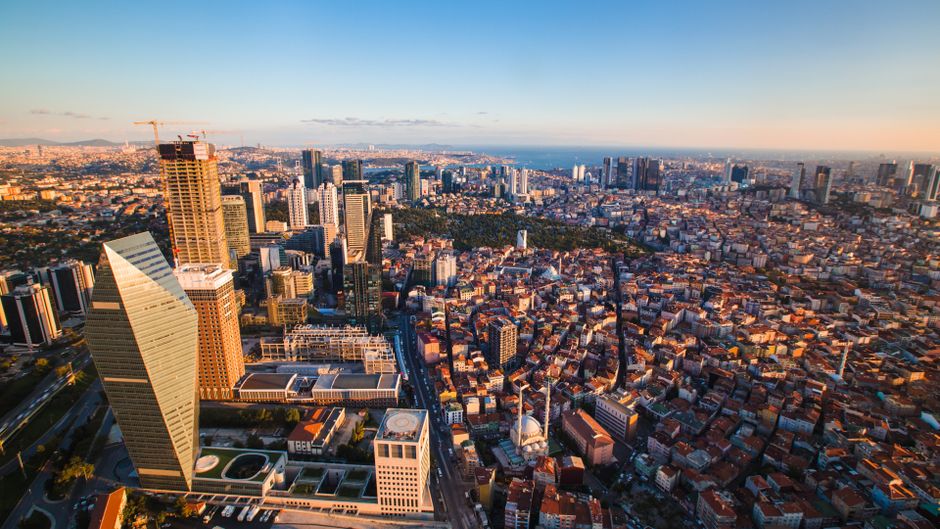
Istanbul's commercial property market is experiencing its most aggressive expansion in a decade, with office rents in central business districts climbing 18-22 percent annually. For most residents, that abstract statistic translates into tangible changes: the coffee shop on your street corner becomes a corporate satellite office; your favourite neighbourhood transforms into a glass-and-steel financial hub; and everyday services quietly disappear.
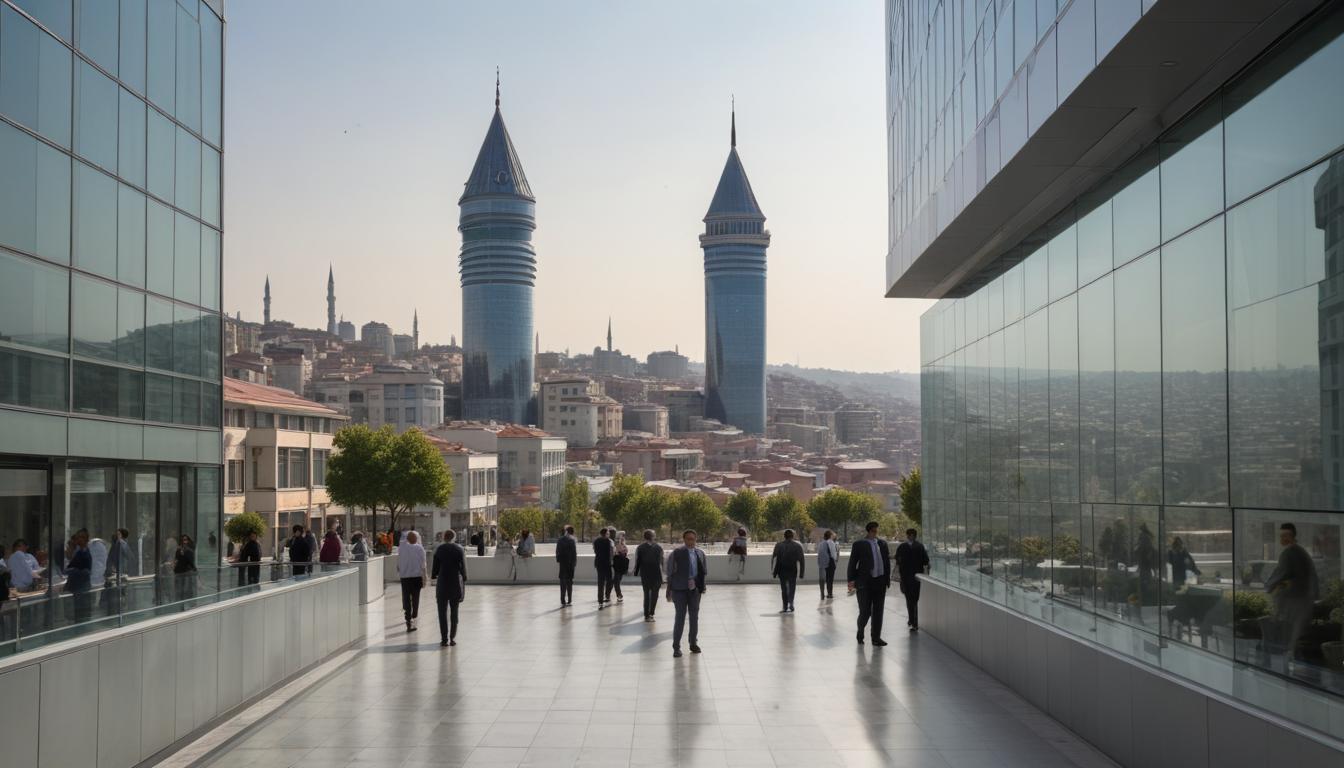
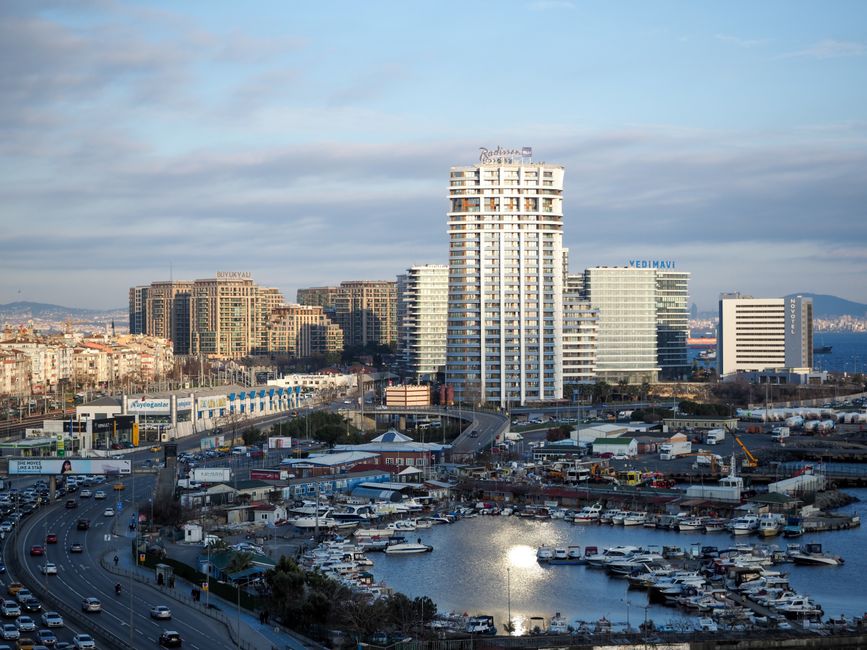
The transformation is most visible in Levent and Maslak, where multinational companies have consolidated operations over the past three years. Prime office space now commands $35-42 per square metre monthly—levels last seen during the 2015 boom. But the ripple effects extend far beyond tower blocks. As corporations colonise ground-floor retail in accessible neighbourhoods, independent retailers and family-run establishments struggle to renew leases. Bakkaliye shops, tailors, and neighbourhood gathering spots give way to corporate cafeterias and branded chains.
Beşiktaş and Şişli have become the latest battlegrounds. Real estate developers are actively converting mixed-use buildings—traditionally housing residential units alongside small businesses—into pure office complexes. Local business associations report that commercial lease renewal rates have become contentious, with landlords gambling that corporate tenants will pay premium rates. Residents who've lived in these areas for decades watch as their neighbourhoods' character fundamentally shifts.
The underlying driver is straightforward: Istanbul's position as a bridge between European and Asian markets has attracted major fintech, logistics, and consulting firms. Tech companies particularly have accelerated their Turkish hub operations following regulatory changes in larger regional markets. This demand inflates property values, and landlords naturally chase maximum returns.
For everyday residents, understanding this trend matters practically. If you rely on local services, anticipate closures or relocations. If you're renting commercially—whether as a small retailer or freelancer—prepare for steeper renewal costs. Property owners in gentrifying neighbourhoods like Cihangir and Galata should expect development pressure and unsolicited acquisition offers.
The Istanbul Metropolitan Municipality and Chamber of Commerce have acknowledged the social cost, with ongoing discussions about preserving mixed-use neighbourhoods. Some districts are exploring zoning protections for small-scale retail, though implementation remains inconsistent.
This isn't merely an economic story—it's a reshaping of how Istanbul functions at street level. The next 18 months will likely determine whether the city maintains neighbourhood diversity or fully commits to becoming a corporate office destination.
This article was compiled by AI from the sources linked above and screened before publishing. See our editorial standards.
How does this story make you feel?
Spread the word
About this article
Published by The Daily Istanbul
Daily brief
Free, in your inbox before 7am. Weekdays.
More in Business