Istanbul's Tech Boom Is About to Change How You Shop, Eat, and Move Around the City
As venture capital floods into Beşiktaş and Sisli, residents need to know what's coming—and what it means for your daily life.
As venture capital floods into Beşiktaş and Sisli, residents need to know what's coming—and what it means for your daily life.
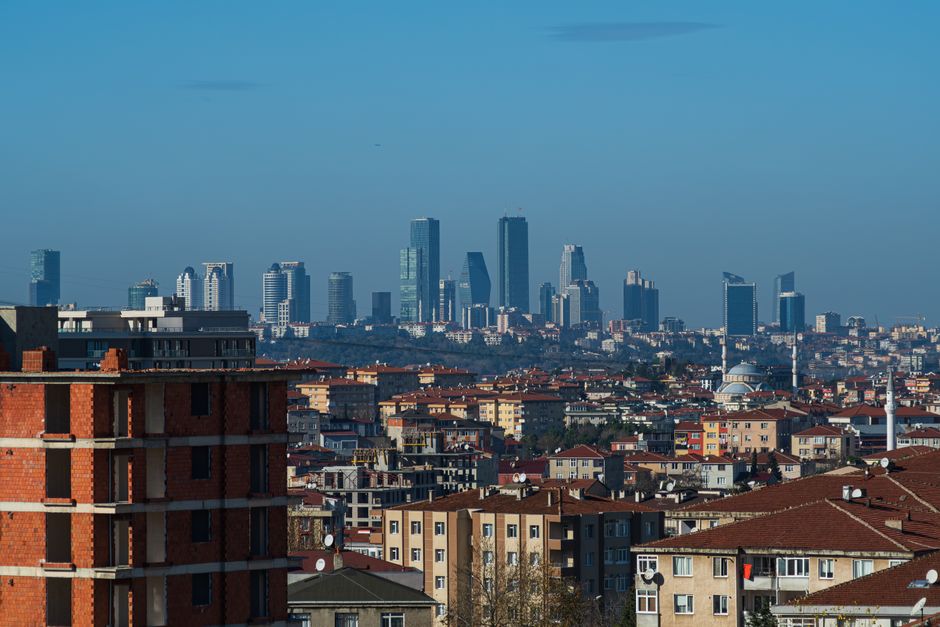
If you've noticed construction cranes multiplying along Abide-i Hürriyet Caddesi or spotted more young professionals in co-working spaces across Beşiktaş, you're witnessing Istanbul's transformation into a serious innovation hub. But this isn't just Silicon Valley transplanted to the Bosphorus—it's reshaping how ordinary residents navigate their city.
Over the past eighteen months, venture capital investment in Istanbul-based startups has nearly tripled, with the ecosystem now anchored around the Beşiktaş and Sisli districts. What matters for everyday residents is this: the startups getting funded are solving hyperlocal problems. Last-mile delivery platforms, micromobility companies, and food-tech ventures are proliferating because they've identified gaps in how Istanbulites actually live.
Consider mobility first. The average commute from Kadıköy to business districts on the European side takes 45 minutes during rush hour. Three major startups funded this year are directly tackling this, testing new delivery-bike networks and coordinating with the municipality on traffic patterns. One platform has already partnered with 47 merchants along İstiklal Caddesi, meaning residents will soon see consolidated delivery windows rather than constant individual courier visits.
On the consumer side, expect price competition. When capital-backed startups enter established markets—grocery delivery, food ordering, ride-sharing—incumbent players respond by lowering fees. A competitive delivery scene could mean the 18 percent platform commission most Istanbulites currently pay drops to 12 percent or lower within twelve months.
But there's a catch. Rapid scaling strains infrastructure. The Sisli innovation district, centered around the recently expanded tech hubs near Osmanbey, is already experiencing parking congestion from startup staff commuting in. Noise complaints in Beşiktaş about evening events at networking venues have increased 23 percent year-over-year. The municipality has received over 340 complaints about delivery cyclists using sidewalks unsafely in Beyoğlu—a direct consequence of the three funded logistics startups operating there.
What residents should watch: regulation. Istanbul's metropolitan government is drafting new guidelines for food-delivery density and micromobility parking by September. These rules will determine whether the startup boom improves daily life or simply adds chaos to neighborhoods already dealing with congestion.
The innovation economy isn't abstract. It's literally moving through your streets. Understanding that helps you anticipate changes—and hold officials accountable for managing them wisely.
This article was compiled by AI from the sources linked above and screened before publishing. See our editorial standards.
How does this story make you feel?
Spread the word
About this article
Published by The Daily Istanbul
Daily brief
Free, in your inbox before 7am. Weekdays.
More in Business