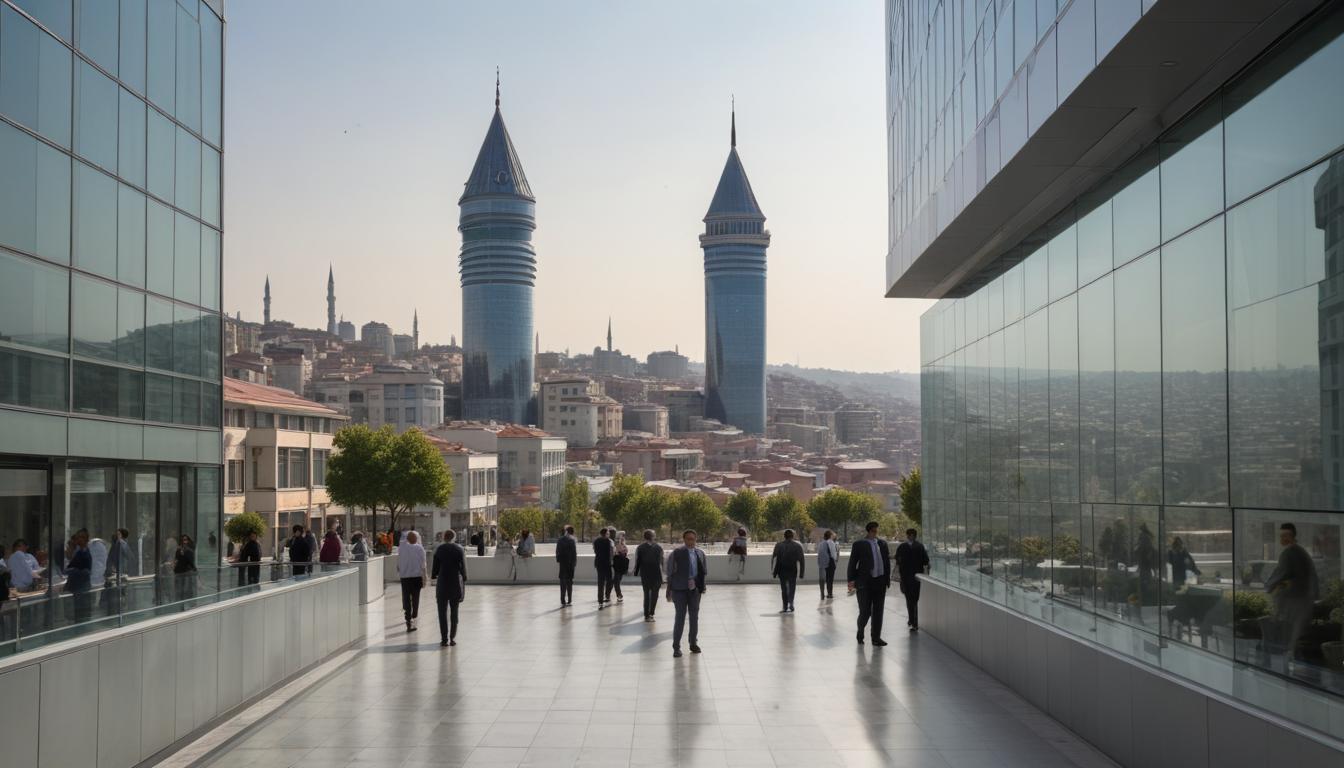
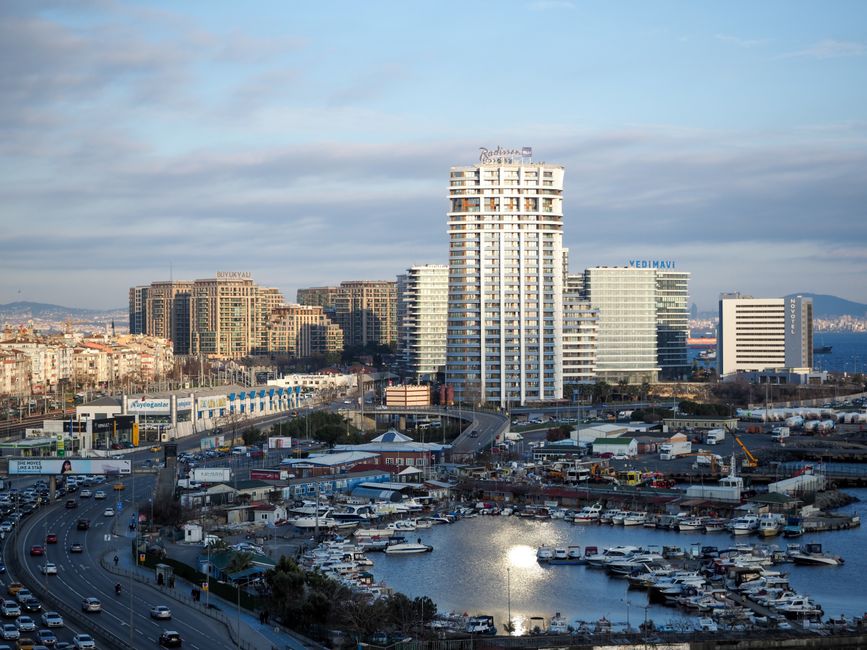
Walk through the narrow lanes of Beyoğlu's historic Galata district and you'll find modest office buildings that belie the scale of operations running inside them. One such address—a restored 19th-century stone structure near the Istanbul Modern—has become the regional hub for one of Turkey's most ambitious textile export operations, a business that now moves over 12,000 tonnes of fabric and finished goods annually to 34 countries.
The enterprise emerged from modest beginnings in 2008, when its founder recognised a structural gap in global supply chains: manufacturers in Southeast Asia and Eastern Europe had reached capacity, while Turkish mills were underutilised despite producing world-class fabrics. The timing proved prescient. By 2016, the operation had grown to move $15 million annually. Today, that figure exceeds €47 million, with recent expansion into East African markets adding significant new revenue streams.
What distinguishes this operation from countless other export businesses is its vertical integration strategy. Rather than acting purely as a middleman, the company maintains direct relationships with five Turkish mills in the Marmara region while simultaneously owning finishing facilities in both Izmir and a new location in the Anatolian industrial zone. This dual-footprint model has proven resilient through recent supply-chain disruptions—when the Red Sea shipping crisis intensified in early 2024, the business had already diversified routing through Mediterranean ports.
The company's headquarters occupy three floors of their Beyoğlu building, employing 67 people across trading, quality control, and logistics functions. Office walls display fabric samples sourced from clients in Barcelona, Dubai, and Lagos. Meanwhile, their logistics coordinator manages shipments that depart daily from Ambarlı Container Port, one of Europe's largest.
Current geopolitical volatility presents both challenge and opportunity. Escalating tariffs between major trading blocs have pushed some Western retailers to reconsider sourcing from traditional Asian suppliers, creating unexpected demand for Turkish alternatives. Simultaneously, tensions across the Middle East and strengthened Iran-US dialogue are reshaping regional trade flows in unpredictable ways.
Yet the business remains focused on fundamentals: maintaining the quality certifications that underpin premium-market positioning, nurturing relationships with mid-sized manufacturers who value reliability over rock-bottom pricing, and investing in digital infrastructure to streamline customs documentation across their expanding geographic footprint.
For Istanbul's business community, the operation exemplifies a broader trend: Turkish companies increasingly positioning themselves not as cost alternatives, but as trusted partners offering consistency, quality, and reliable delivery—precisely what global supply chains desperately need in uncertain times.
This article was compiled by AI from the sources linked above and screened before publishing. See our editorial standards.