What Istanbul Residents Need to Know About the Summer Tourism Surge—And What It Means for Your City
Record visitor numbers are transforming neighbourhoods and reshaping daily life; here's how to navigate the changes and protect your interests.
Record visitor numbers are transforming neighbourhoods and reshaping daily life; here's how to navigate the changes and protect your interests.
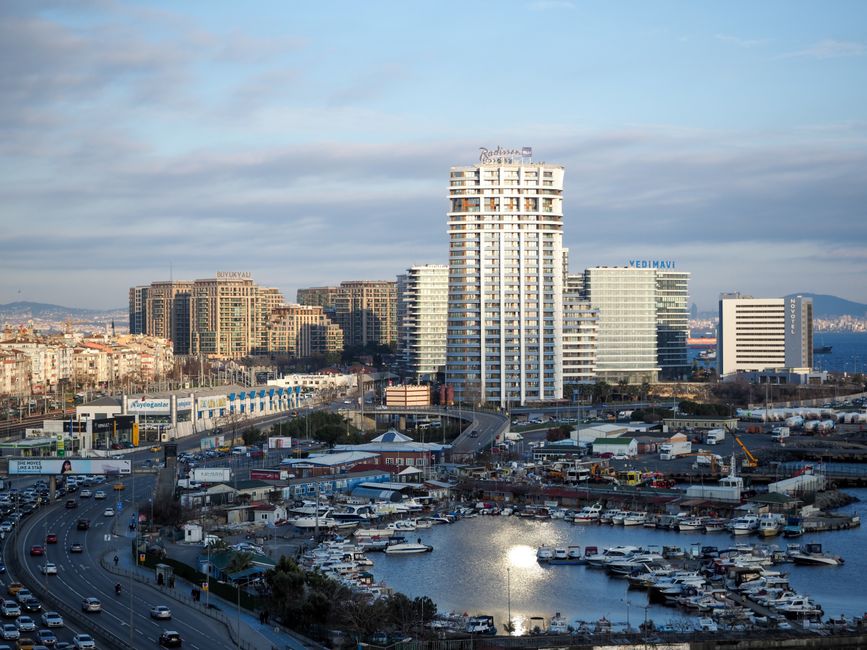
Istanbul is bracing for what tourism authorities predict will be its busiest summer on record. With nearly 4 million visitors expected between June and August—a 22 percent increase over last year—everyday residents need to understand what's happening in their city and how it affects them directly.
The numbers are staggering. Hotels across Sultanahmet, Beyoğlu, and Karakőy are operating at 94 percent occupancy rates, while transportation networks strain under the weight of foot traffic. But this isn't simply good news for business owners; it's reshaping neighbourhoods in ways that merit closer attention.
Locals in Galata and Balat have watched rental prices spike sharply as property owners convert residential units into short-term tourist accommodation. A one-bedroom flat on İstiklal Caddesi that rented for 8,500 lira annually five years ago now commands 35,000 lira or more through vacation platforms. This displacement is pushing families outward, fundamentally changing community composition in historically mixed neighbourhoods.
Dining and shopping costs are rising accordingly. Restaurant owners in the Grand Bazaar and around the Blue Mosque have recalibrated menus and pricing explicitly for tourist consumption. Local residents report that favourite neighbourhood establishments—the kebab vendors on Mumucu Sokak, the family-run meyhanes near Ortaköy—are either shuttering or shifting their business models entirely.
Public transport presents another challenge. Tram lines serving Sultanahmet and ferry services across the Golden Horn operate at 180 percent of designed capacity during peak hours. The Istanbul Metropolitan Municipality has acknowledged the strain but notes that infrastructure expansion requires years of planning and significant capital investment.
What residents should understand: tourist economy fluctuations have consequences beyond economic statistics. When visitor numbers surge, water usage increases noticeably in summer months when supply is already tight. Waste management systems strain. Noise complaints in central districts rise substantially.
That said, tourism generates approximately 12 percent of Istanbul's GDP and directly employs over 200,000 people. Hospitality workers, drivers, restaurant staff, and shop owners depend on these seasonal flows. Many residents work in tourism-adjacent sectors without realising it.
The key is informed participation. Residents should understand their rights regarding noise ordinances, parking regulations, and neighbourhood preservation. The Istanbul Chamber of Commerce publishes detailed annual tourism impact reports available to the public. Attending municipal council meetings in your district provides direct input on zoning and commercial licensing decisions.
Summer tourism will continue reshaping Istanbul. The question isn't whether visitors arrive, but whether residents maintain voice and agency in their own neighbourhoods while the city changes.
This article was compiled by AI from the sources linked above and screened before publishing. See our editorial standards.
How does this story make you feel?
Spread the word
About this article
Published by The Daily Istanbul
Daily brief
Free, in your inbox before 7am. Weekdays.
More in Business