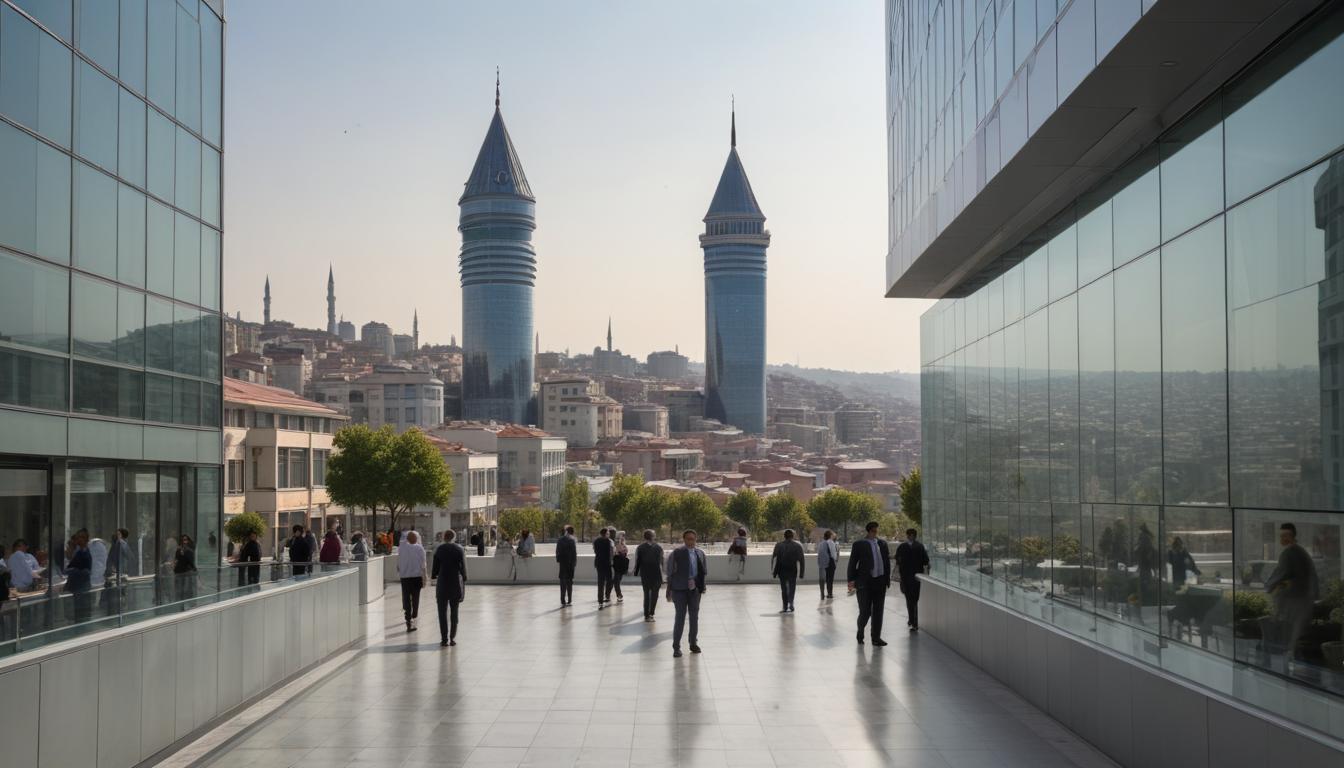
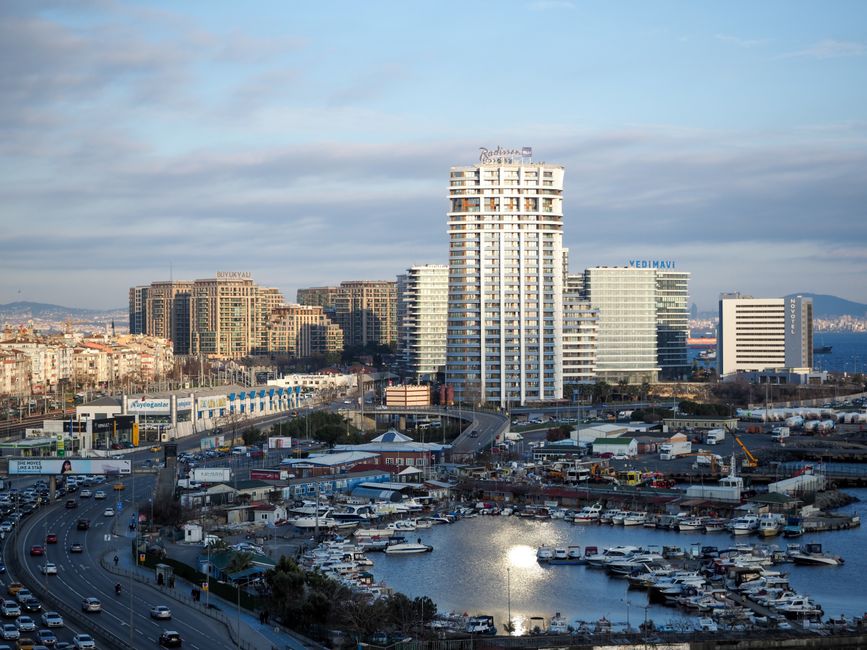
Istanbul's retail hospitality and food industry is experiencing a marked acceleration this summer, with operators reporting their strongest booking volumes and foot traffic in three years. The convergence of pent-up international tourism demand, rising disposable incomes among affluent Turkish households, and strategic expansion by established brands is creating a rare window of opportunity—one that savvy business owners are already exploiting.
Data from the Istanbul Chamber of Commerce indicates that restaurant reservations across the city are up 34 percent year-over-year, while average spending per diner has climbed to 185 Turkish lira in mid-range establishments, up from 142 lira two years ago. The shift is reshaping which neighbourhoods and venue types are thriving.
In Beyoğlu, the historic dining corridor that anchors much of the city's food tourism, established fine-dining names like those clustered around Çukurcuma and Galata Tower are reporting near-full bookings through September. But it's the mid-market segment—casual bistros, meyhane-style venues, and concept restaurants priced between 120 and 250 lira per head—that is generating the most visible growth. Venues offering curated local cuisine and Instagram-friendly ambiance are particularly well-positioned.
The hospitality sector is equally buoyant. Four- and five-star hotel operators have raised average room rates by 18 to 22 percent compared to mid-2024, according to industry tracking. Boutique hotel networks, which typically operate properties with 30 to 80 rooms in converted Ottoman mansions or modern designs across Sultanahmet, Balat, and Ortaköy, are filling beds faster than they can manage staffing. Several boutique chains have announced expansion plans into Eminönü and along the Bosphorus.
What distinguishes this cycle is that independent operators and smaller hospitality groups are thriving alongside international chains. Family-run venues in Taksim, Nişantaşı, and along the Bosphorus coast are reporting that loyalty from both Turkish nationals and returning international visitors is robust. Many have capitalized by introducing premium tasting menus, wine pairing experiences, and private dining formats that command higher margins.
The café and casual dining segment is equally dynamic. The proliferation of specialty coffee venues and artisanal bakeries, particularly in Kadıköy and Şişli, reflects shifting consumer preferences toward higher-quality experiences at accessible price points.
Labour shortages remain a headwind—hospitality workers command wages 28 percent higher than eighteen months ago—but operators who invested in staff retention and training infrastructure are now reaping competitive advantages. The operators winning are those who moved early.
This article was compiled by AI from the sources linked above and screened before publishing. See our editorial standards.