Walk through the bustling corridors of the Istanbul Chamber of Commerce in Eminönü, and you'll hear a familiar refrain: global instability is hitting local wallets harder than ever. Just as Venezuelan aftershocks and Pakistani-Afghan clashes dominate headlines thousands of kilometers away, the tremors are being felt in the narrow streets of Beyoğlu and the industrial zones of Gebze.
The mathematics are brutal. Turkey's logistics sector, which depends heavily on the Strait of Hormuz corridor, is grappling with rising insurance premiums and longer shipping routes. A container that cost $2,400 to move from Shanghai to Istanbul in early 2025 now runs $3,100—a 29 percent increase that manufacturers cannot fully pass on to customers. Small textile exporters based in Sultanbeyli, already operating on margins of 8-12 percent, are absorbing these costs or watching their European buyers shop elsewhere.
Currency volatility adds another layer of pain. The Turkish lira, buffeted by regional risk premiums, has depreciated roughly 7 percent against the dollar since January. For importers of raw materials in Tuzla's industrial corridor, this means the cost of machinery, chemicals, and components keeps climbing. A furniture workshop owner in the Çekmeköy zone noted that his supplier invoices have risen by a fifth in just five months.
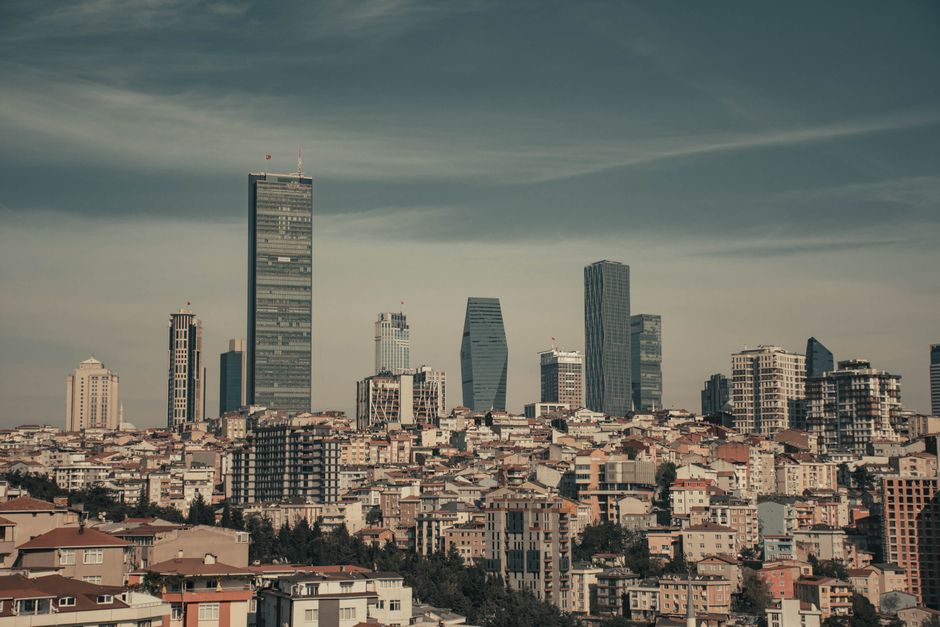
Yet opportunity lurks within the chaos. Istanbul's financial services district, concentrated around the Sapphire Tower and surrounding Levent offices, is seeing renewed interest from regional firms seeking to relocate operations away from less stable markets. Fund managers are quietly repositioning capital into Turkish assets, betting on the city's resilience as a regional hub. Real estate consultancies report corporate relocations from the Middle East, though at prices that smaller businesses cannot afford.
The human cost is quieter but real. Coffee at a Beyoğlu café now costs 180 lira, up from 140 two years ago. Restaurant owners in Balat and Ortaköy report declining tourist spending power despite steady visitor numbers. Middle-class professionals are tightening discretionary spending, a sentiment reflected in declining foot traffic in Nişantaşı's retail district.
Istanbul's business community is not passive. Trade associations are lobbying for customs procedures that might offset routing delays. Digital platforms are helping smaller traders find alternative markets. Yet the broader message is clear: in a world where Venezuelan rescuers dig through rubble and Iranian officials posture in Doha, a Turkish entrepreneur's profitability depends less on local skill than on geopolitical winds beyond her control.
The city's resilience will be tested in the months ahead.
This article was compiled by AI from the sources linked above and screened before publishing. See our editorial standards.