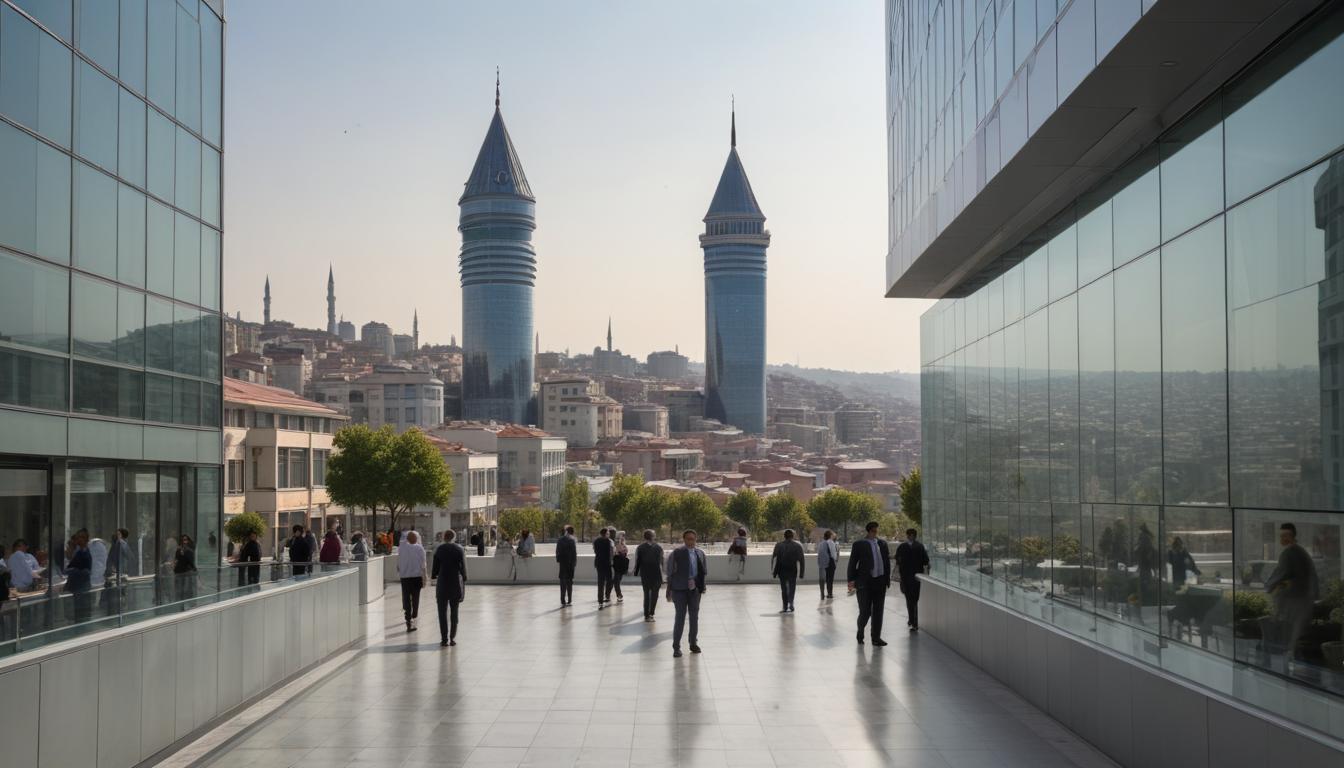
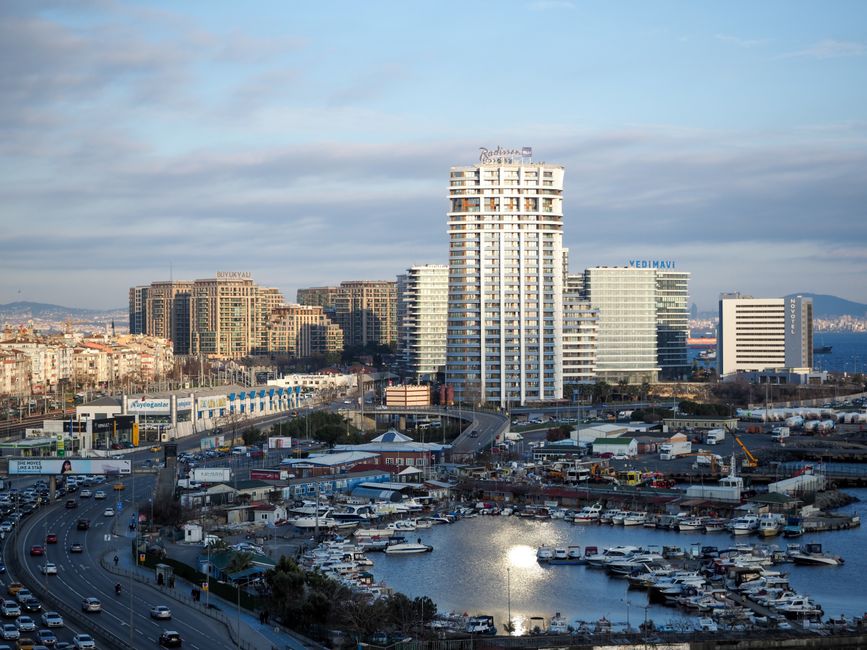
The transformation is visible on the streets of Beyoğlu, where converted Ottoman warehouses now house venture-backed fintech firms and AI startups. What began as scattered coworking spaces has evolved into genuine innovation districts that are fundamentally reshaping how Istanbul's workforce thinks about employment, compensation, and career progression.
The numbers tell a compelling story. According to recent data from the Istanbul Chamber of Commerce, the city's startup ecosystem now supports approximately 3,200 registered companies, with nearly 40% of founders and early employees aged between 25 and 35. This demographic shift reflects a broader migration away from the hierarchical structures of traditional Turkish conglomerates toward leaner, equity-focused ventures concentrated in Levent, Beşiktaş, and the emerging Şişli tech corridor.
Real estate prices reflect the trend's intensity. Commercial spaces along Nispetiye Caddesi and around the Beşiktaş waterfront have nearly doubled in value over three years, as established tech firms and accelerators competing for proximity to talent and clients drive up demand. A 500-square-meter office in Levent's innovation zones now commands between $4,500 and $6,500 monthly—a figure unthinkable for startups a decade ago.
The talent market shows even starker shifts. Engineering salaries in Istanbul startups have increased 35% since 2023, according to recruitment platforms tracking the sector, though they remain 20-30% below comparable roles in Western European hubs. Product managers, data scientists, and growth marketers—roles virtually absent from Istanbul's job market in 2019—now command premium packages that often include meaningful equity stakes.
This growth is creating secondary effects throughout the broader economy. Coffee culture around Istiklal Caddesi and Galata has shifted to accommodate 9am investor meetings and rapid-fire pitch sessions. Co-working operators like those clustered near Taksim report membership growth exceeding 50% annually. Universities, sensing the shift, have begun restructuring computer science and engineering programmes to emphasise startup collaboration.
Yet challenges persist. The talent drain toward Istanbul's innovation districts is creating skilled-worker shortages in traditional manufacturing and services sectors across Anatolia. Additionally, visa restrictions continue to complicate international recruitment, forcing domestic startups to compete fiercely for a finite pool of Turkish technical talent.
As of mid-2026, Istanbul's innovation ecosystem remains overwhelmingly concentrated geographically. Whether this density model proves sustainable—or whether secondary hubs emerge in districts like Bakırköy or Pendik—will largely determine whether this boom reshapes the entire labour market or remains a wealthy enclave phenomenon.
This article was compiled by AI from the sources linked above and screened before publishing. See our editorial standards.