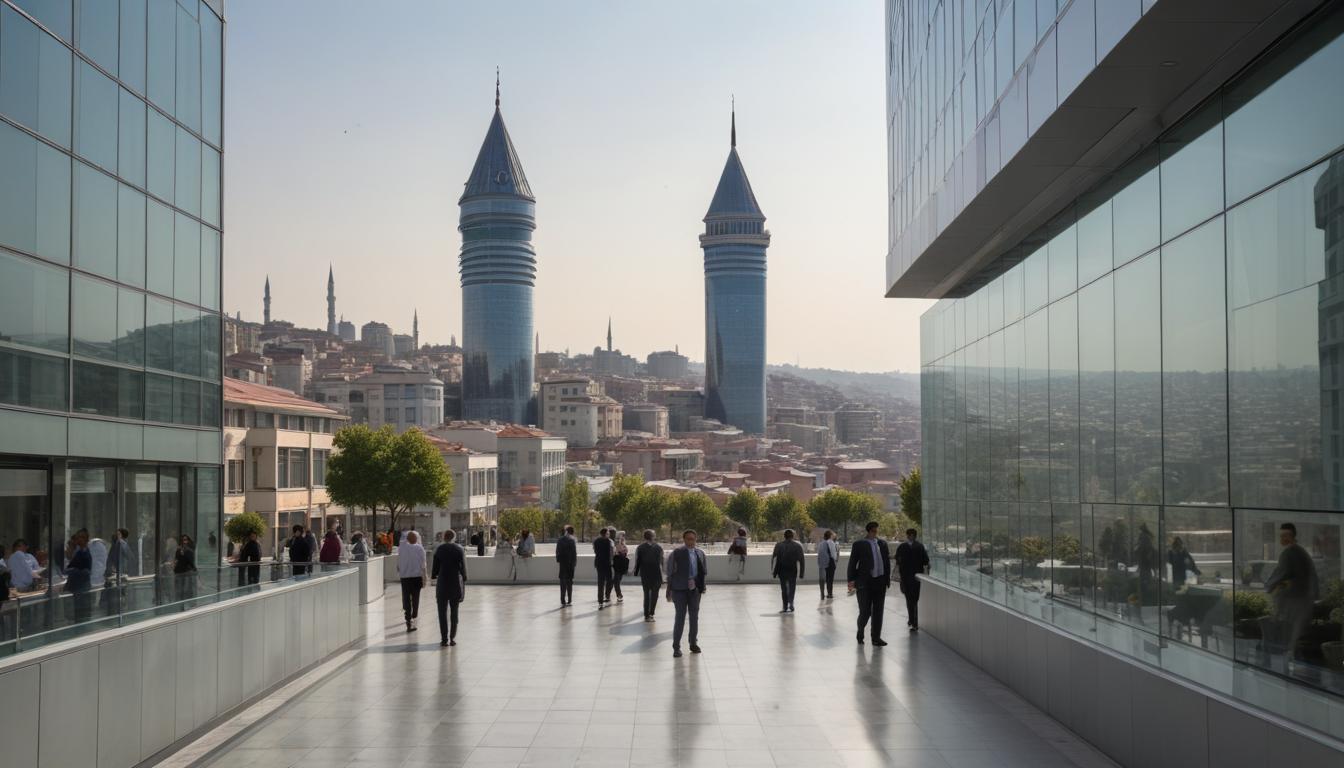
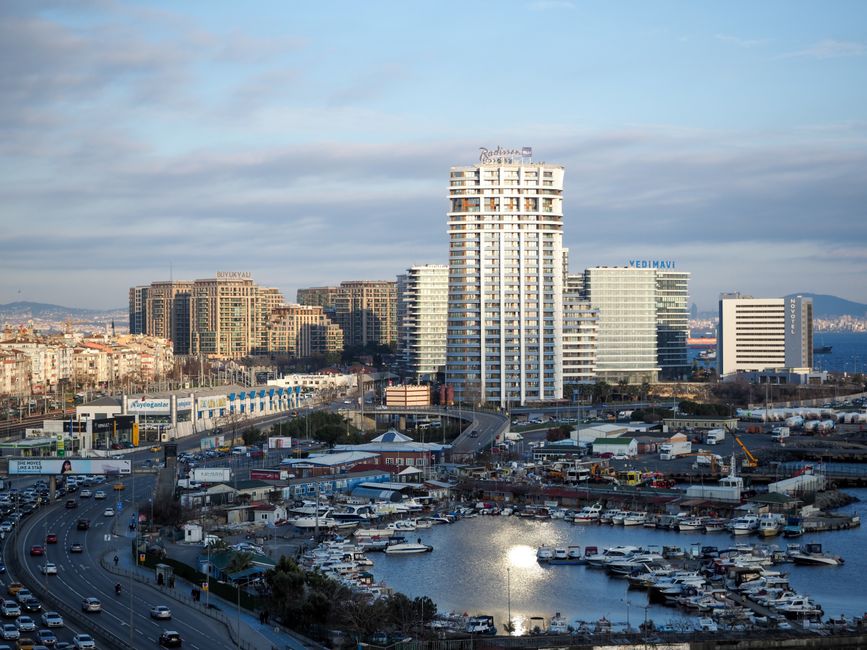
Istanbul's employment landscape is shifting sharply as global uncertainties ripple through the city's financial districts. HR managers at major firms headquartered in Levent and Maslak report that hiring freezes have become commonplace, with companies delaying mid-year recruitment cycles by an average of 8–12 weeks compared to previous years.
The hesitation stems from multiple fronts. Middle East tensions continue to disrupt supply chains that feed Istanbul's manufacturing and logistics sectors, while currency volatility makes international salary negotiations unpredictable. Tourism-dependent roles in Sultanahmet and along the Golden Horn have seen modest recovery, yet remain below 2019 levels. Meanwhile, the tech boom that once anchored Beyoğlu's startup ecosystem has cooled as venture capital flows tighten globally.
"Companies are asking harder questions about where their revenue comes from," explains one business consultant working with firms on the European side. Financial services firms—traditionally Istanbul's largest employers—are particularly cautious. Banking sector headcount growth has flatlined at roughly 0.3% year-on-year, down from the 2.1% expansion recorded in early 2024.
Entry-level salaries tell a revealing story. Graduate positions at multinational firms in Maslak now average 85,000–120,000 Turkish lira monthly, a real-terms decline when adjusted for inflation. Experienced professionals command higher premiums, yet companies increasingly demand extended probation periods before permanent contracts materialise.
The construction sector, which employed thousands across projects in Pendik and Esenyurt, faces particular strain. Geopolitical instability has delayed several major infrastructure contracts, and labour-intensive projects are being reconsidered. Steel and cement suppliers report softer order books heading into Q3.
Not all sectors are contracting equally. Healthcare and education continue to attract investment, bolstered by regional instability driving demand for Turkish expertise. Energy sector roles remain stable, though exploration contracts are increasingly conditional on political risk assessments.
For Istanbul's working population, the message is mixed. The unemployment rate has inched toward 9.8%—up from 8.1% two years ago—yet skills shortages persist in software engineering, maritime logistics, and specialized manufacturing. Paradoxically, many vacancies remain unfilled because geographic mobility and salary expectations have diverged.
Industry observers suggest this moment will reshape Istanbul's employment contract. Remote work arrangements, now normalized, are allowing firms to distribute talent geographically, potentially easing pressure on central business districts while creating opportunities in suburban centres like Beşiktaş and Sarıyer. The global storm, while disruptive, may catalyze a more distributed, resilient local job market.
This article was compiled by AI from the sources linked above and screened before publishing. See our editorial standards.