The Istanbul office market is undergoing a fundamental restructuring, and the winners are becoming clear: flexible workspace operators, adaptive reuse specialists, and technology-enabled property developers are capturing value that traditional landlords are leaving on the table.
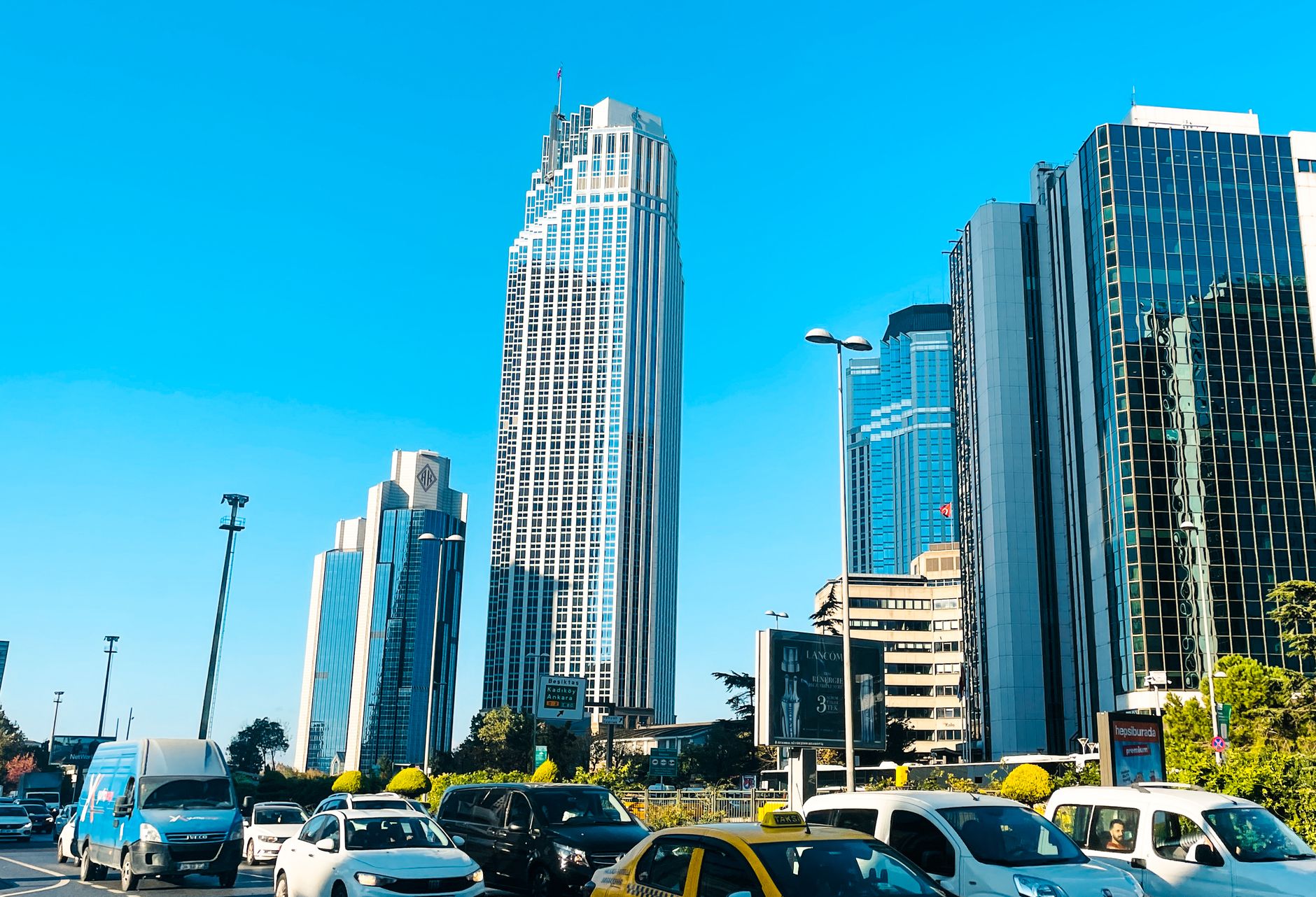
The shift is visible across the city's major business corridors. In Maslak, where corporate towers have historically dominated the skyline, several large multinational firms have reduced their committed square footage by 20–30 per cent over the past eighteen months. Yet vacancy rates haven't spiked; instead, smaller occupiers and co-working platforms are subdividing these spaces, often at premium rates. Mid-market consulting firms and tech startups are willing to pay 15–25 per cent more per square metre for flexible, shorter-term arrangements than they would for traditional five-year leases.
Levent and Beşiktaş, traditionally home to banking and financial services headquarters, are experiencing similar dynamics. Property managers who've invested in modular office design, high-speed connectivity infrastructure, and amenity-rich common areas are reporting near-full occupancy, while those clinging to outdated layouts struggle to attract tenants at competitive rates.
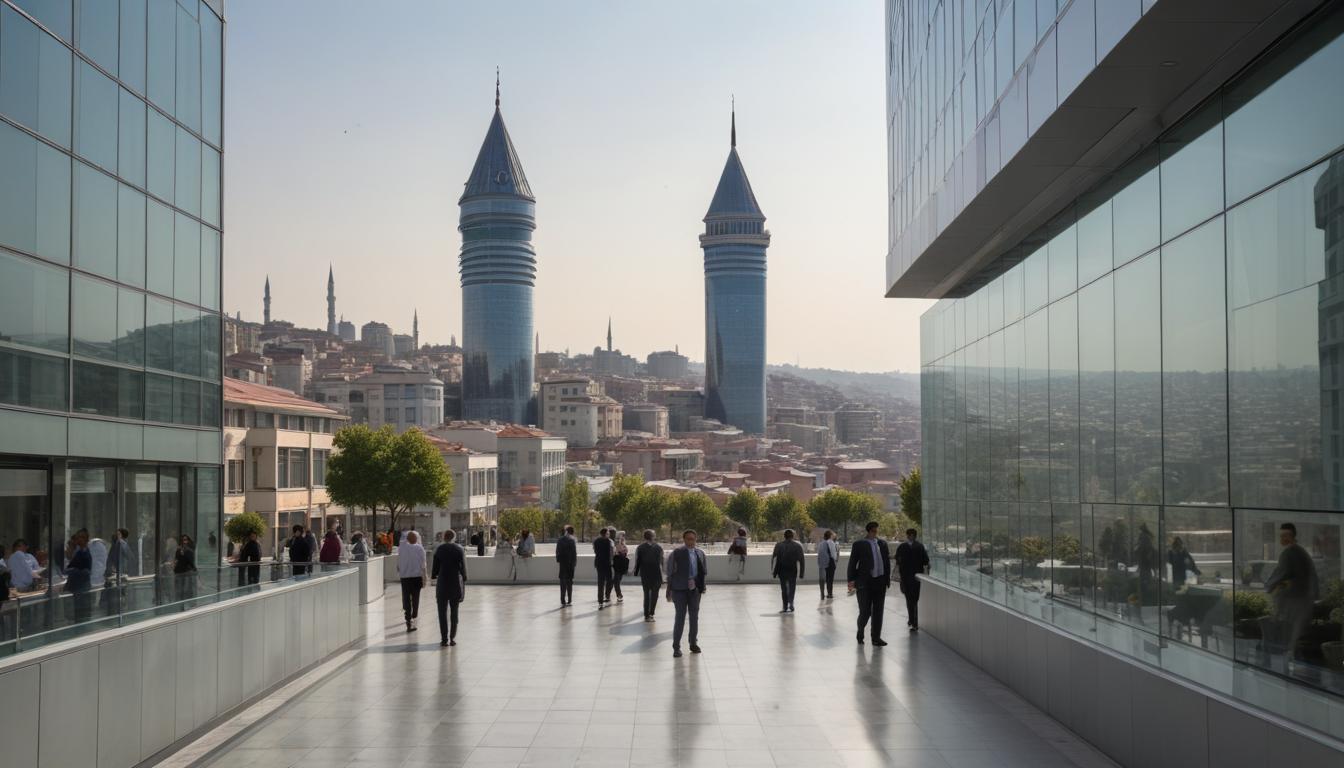
The data supports the trend. Average office rents in premium Istanbul neighbourhoods have stabilised around $25–$35 per square metre monthly, but rates for serviced office space have climbed to $40–$50. Conversion projects—particularly the rehabilitation of older commercial buildings in Beyoğlu and around the Galata Tower precinct—are attracting significant investor interest. These neighbourhoods, once overlooked for back-office operations, are now positioned as lifestyle-integrated work environments that appeal to creative industries and international firms seeking vibrant addresses.
Several large Turkish holding companies and international real estate platforms have already positioned themselves advantageously. Those who acquired or secured long-term management contracts on secondary-market buildings—properties previously considered outdated for corporate tenancy—are now commanding premium returns by retrofitting them with modern systems and leasing them as boutique office suites.
The real opportunity, however, extends beyond real estate operators. Technology providers specialising in building management systems, cybersecurity infrastructure, and workplace analytics are finding robust demand from property owners eager to differentiate their offerings. Turkish firms and foreign entrants alike are vying for contracts to modernise Istanbul's ageing commercial stock.
What's clear from the market's reshuffling is this: the traditional model of large, long-term corporate tenants anchoring office complexes is fading. The winners are those agile enough to serve fragmented demand—and Istanbul's entrepreneurs and property investors who've recognised the shift early are already reaping the benefits.
This article was compiled by AI from the sources linked above and screened before publishing. See our editorial standards.