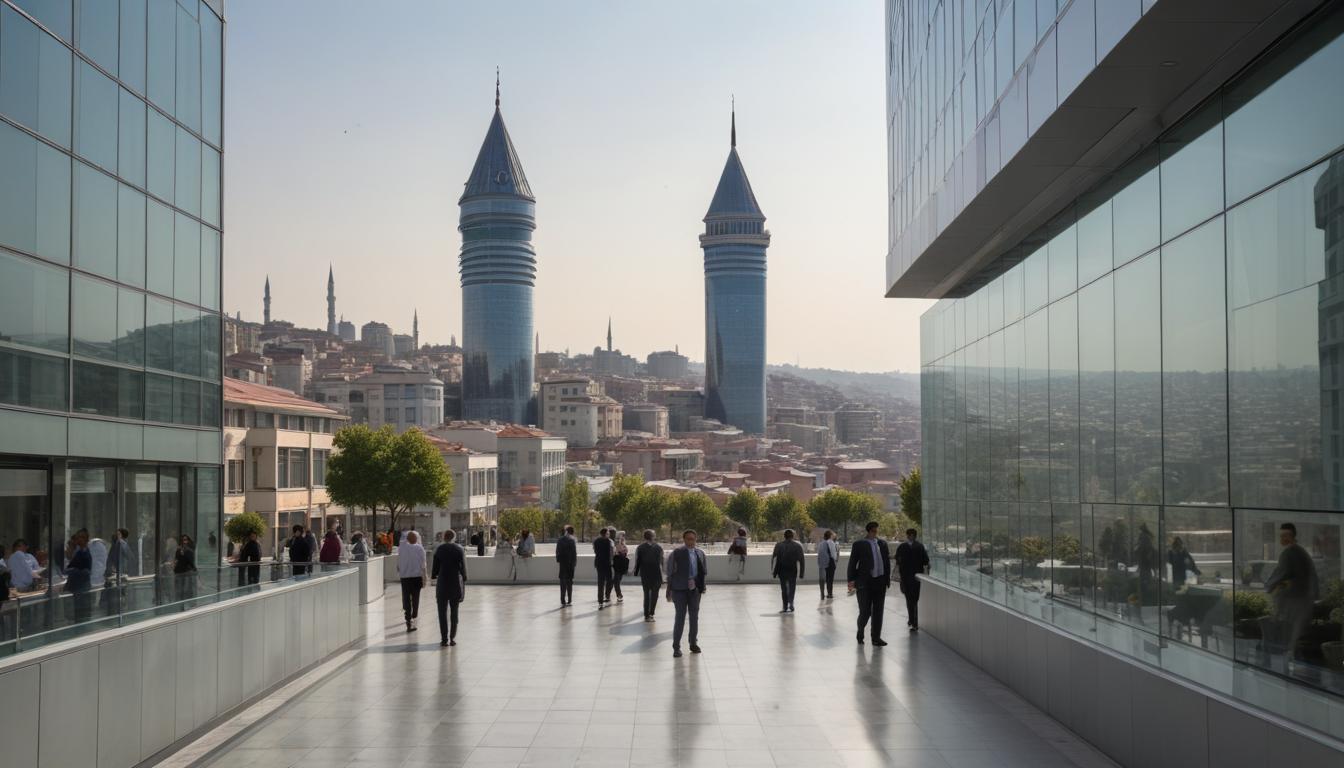
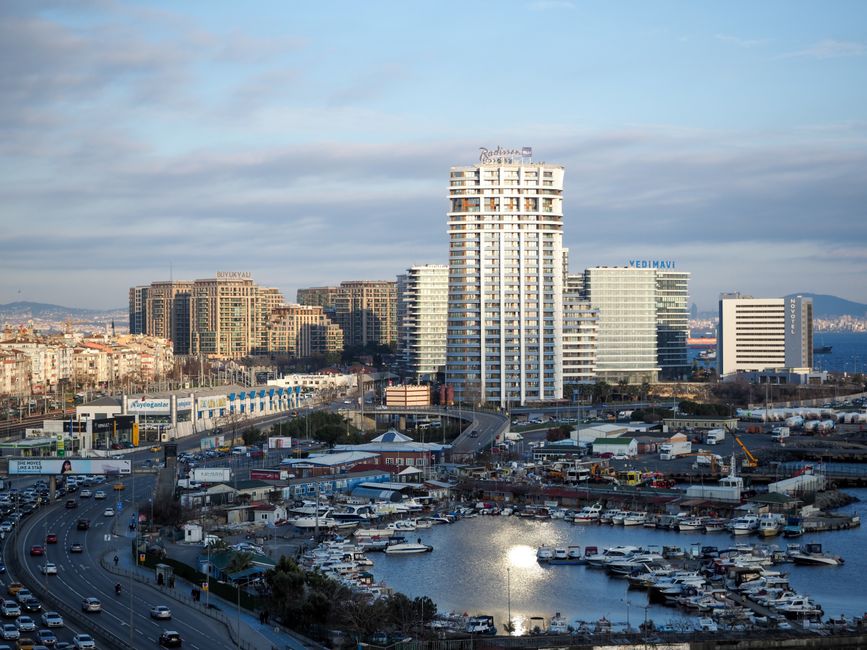
Istanbul's gleaming financial district along the Bosphorus has long thrived on its position as a bridge between East and West. But in mid-2026, that advantage is rapidly becoming a liability. Asset managers, private equity firms, and investment banks operating from offices in Levent and Maslak are confronting a convergence of challenges that threatens to undermine the city's competitive standing in global finance.
The geopolitical turbulence gripping the Middle East and broader Eurasian region is the most immediate concern. Investment flows that typically route through Istanbul have slowed considerably, with institutional investors adopting a wait-and-see posture. Several boutique wealth management firms in the Galata district report that high-net-worth clients are increasingly parking capital in lower-volatility markets, particularly Europe and North America. This capital flight has direct implications for Istanbul's investment ecosystem, which relies on both regional capital seeking Western exposure and Western capital seeking emerging market returns.
Domestically, the picture is equally troubled. Turkish inflation, while moderating from pandemic peaks, continues to outpace regional peers. The cost of living in central neighbourhoods like Besiktas and Sisli has climbed substantially year-on-year, making it difficult for investment firms to retain talent. Junior analysts and relationship managers are demanding higher salaries simply to maintain their purchasing power—a squeeze that cuts into profit margins already pressured by rising operational costs.
Currency volatility compounds these challenges. The Turkish lira's fluctuations against the dollar and euro create hedging expenses that smaller investment firms struggle to manage efficiently. Commercial real estate costs in Maslak's office towers have also climbed, with prime space now commanding rents that rival secondary financial centres in Europe. Several mid-sized firms have relocated back offices to Ankara or Izmir to reduce overhead.
Interest rate uncertainty adds another layer of complexity. With central banks worldwide in flux regarding monetary policy, the yield curves that investment strategists rely upon for portfolio construction have become unpredictable. Turkish institutional investors—pension funds, insurance companies, and family offices—are consequently being more cautious about committing capital to longer-duration assets.
Yet not all indicators point downward. Istanbul's position as a fintech hub remains solid, with several blockchain and digital payment startups attracting venture capital despite broader headwinds. The Istanbul Metropolitan Municipality's initiatives to develop the Galata waterfront continue to enhance the city's appeal as a business destination. Still, without stabilisation in geopolitical risk and firmer control over domestic price pressures, the investment sector's growth trajectory will likely remain constrained through the remainder of 2026.
This article was compiled by AI from the sources linked above and screened before publishing. See our editorial standards.