Istanbul's tourism recovery has accelerated beyond most forecasters' expectations. The city welcomed 3.2 million international visitors in the first half of 2026 alone—a 34 percent increase over the same period last year—and hoteliers across Sultanahmet, Beyoğlu, and the Asian side are scrambling to meet demand that has kept occupancy rates above 78 percent even during traditionally slower weeks.
The windfall extends far beyond five-star chains. Along the narrow cobbled streets of Balat, where renovated Ottoman mansions now serve as boutique guesthouses, owners report booking windows extending into 2027. Mehmet Demir, who converted a family home into a 12-room property three years ago, told colleagues he is adding a second venue. "We couldn't have predicted this appetite," he noted during a recent hospitality forum. Small operators like his have multiplied: boutique accommodation in Istanbul's historic districts has grown by approximately 2,400 rooms since 2024, often priced between $65 and $140 per night—well below the $200-plus averages of branded hotels.
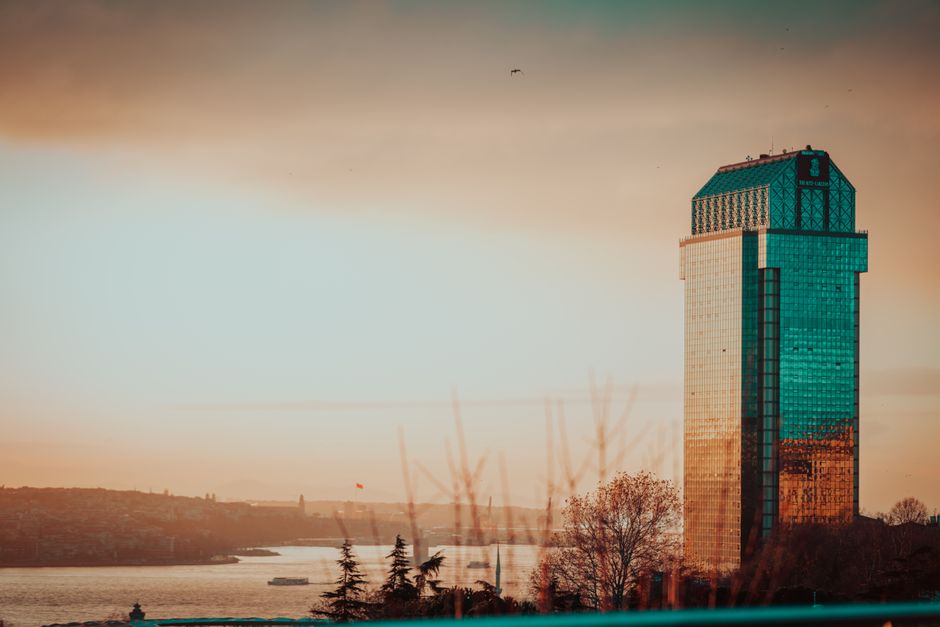
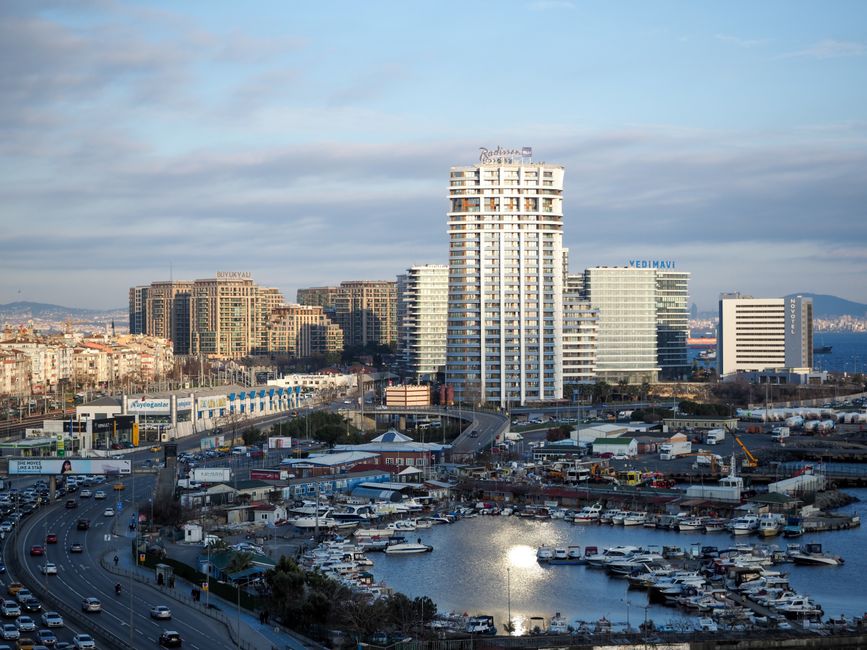
Yet the opportunity gap is widening. Major international chains—Marriott, Hilton, Four Seasons—have announced or accelerated eight new properties in the past eighteen months, with combined investment exceeding $480 million. The Galata Tower precinct and waterfront zones around Ortaköy are becoming increasingly dominated by capital-heavy developments that smaller operators cannot match. The disparity in marketing budgets means established brands capture disproportionate shares of the high-spending leisure and conference segments.
Where independent operators are holding their ground most effectively is in niche experiences: culinary tourism, cultural immersion, and neighborhood-focused itineraries. Tour operators based in Fener and Balat report that visitors increasingly reject mass-market circuits in favor of guided walks through less-documented Ottoman alleyways, cooking classes in residential kitchens, and stays in family-run pensions. These experiences command premium pricing precisely because they cannot be mass-produced.
The real vulnerability lies in mid-market properties—three-star hotels with 50-100 rooms operated by smaller chains or family businesses. Several along Istiklal Caddesi have changed hands this year as owners capitalized on peak valuations. Property acquisition costs in central Beyoğlu have surged 27 percent year-over-year, pricing out newcomers without access to institutional capital.
City officials project visitor numbers will exceed 5 million annually by 2028. Infrastructure investments in metro expansion and airport capacity are underway. For Istanbul's tourism economy, the real question is no longer whether opportunity exists—but whether it will consolidate among a handful of global operators or remain distributed across the independent hoteliers and entrepreneurs who have given the city much of its character.
This article was compiled by AI from the sources linked above and screened before publishing. See our editorial standards.