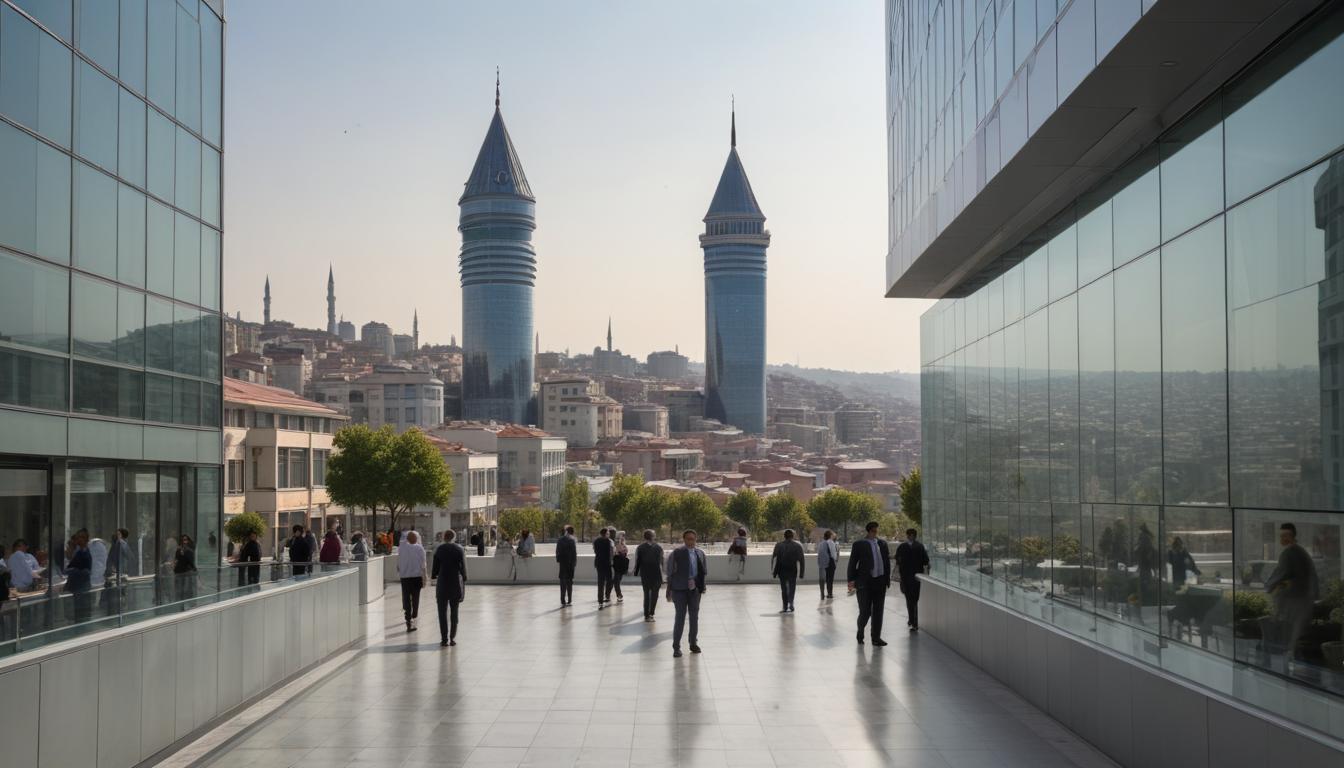
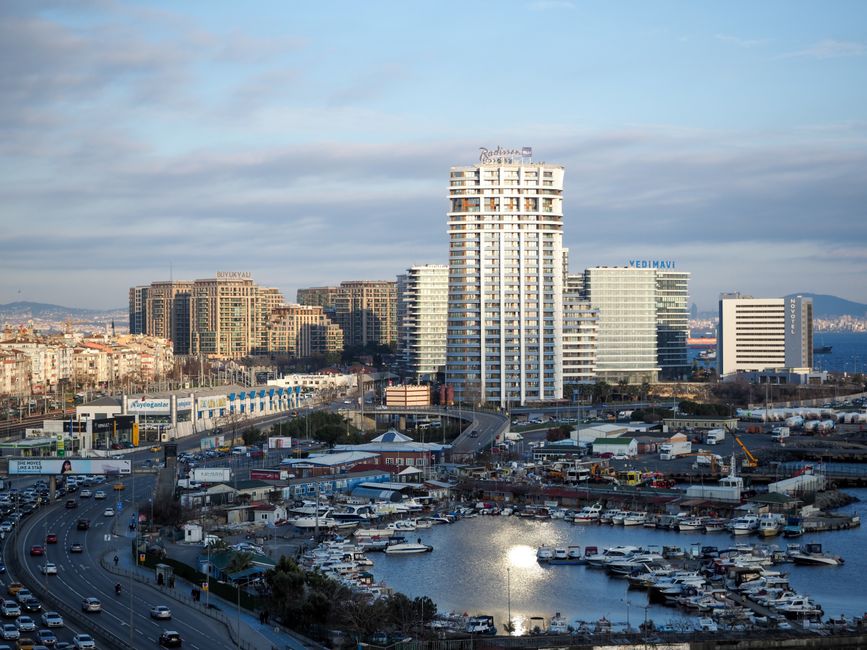
Istanbul's commercial real estate market has always thrived on its role as a bridge between Europe and Asia, but the landscape is shifting beneath the feet of property developers and corporate tenants alike. Recent geopolitical turbulence—from Middle Eastern tensions to broader questions about global trade relationships—is forcing a recalibration of how businesses view their presence in Turkey's largest metropolis.
The Levent and Maslak business districts, which have commanded premium rents of $45-65 per square meter annually, are experiencing what property consultants describe as a cautious pause. Major international corporations, particularly those with significant Middle Eastern operations, are taking longer to commit to new leases. One prominent property management firm reports that lease negotiations that typically concluded within 60 days now stretch to 120 days or longer, as companies seek stability assurances from their regional headquarters.
Yet the story isn't uniformly bleak. Istanbul's relative stability compared to other regional hubs—combined with its developed infrastructure and skilled workforce—continues to attract interest. The Beyoğlu waterfront area and emerging tech corridors around Kâğıthane have seen sustained activity from companies seeking to establish Turkish headquarters or regional customer service operations. These sectors view Istanbul as a hedge against concentration in single markets.
The numbers tell a nuanced tale. Commercial property vacancy rates in premium Istanbul locations hover around 12-15%, up from the historical 8-10% range. However, this reflects cautious expansion rather than distress. Average transaction volumes for office space have declined roughly 18% year-over-year, according to local real estate trackers, yet pricing has remained relatively resilient—suggesting quality assets maintain value despite reduced activity.
What's particularly noteworthy is a shift in tenant composition. Multinationals are consolidating rather than expanding, while Turkish and regional companies show growing confidence. This recalibration reflects a broader recognition that Istanbul's appeal isn't solely dependent on global supply chain optimization; it's also grounded in serving regional markets and populations that remain economically dynamic.
For Istanbul's business community, the lesson is clear: global headwinds are real, but they're creating opportunities for those who recognize that economic gravity doesn't flow in one direction anymore. Companies that once viewed Turkey as merely a geographic stepping stone are reconsidering Istanbul's intrinsic value as a market unto itself. That fundamental shift may ultimately prove more consequential than any temporary vacancy uptick.
This article was compiled by AI from the sources linked above and screened before publishing. See our editorial standards.