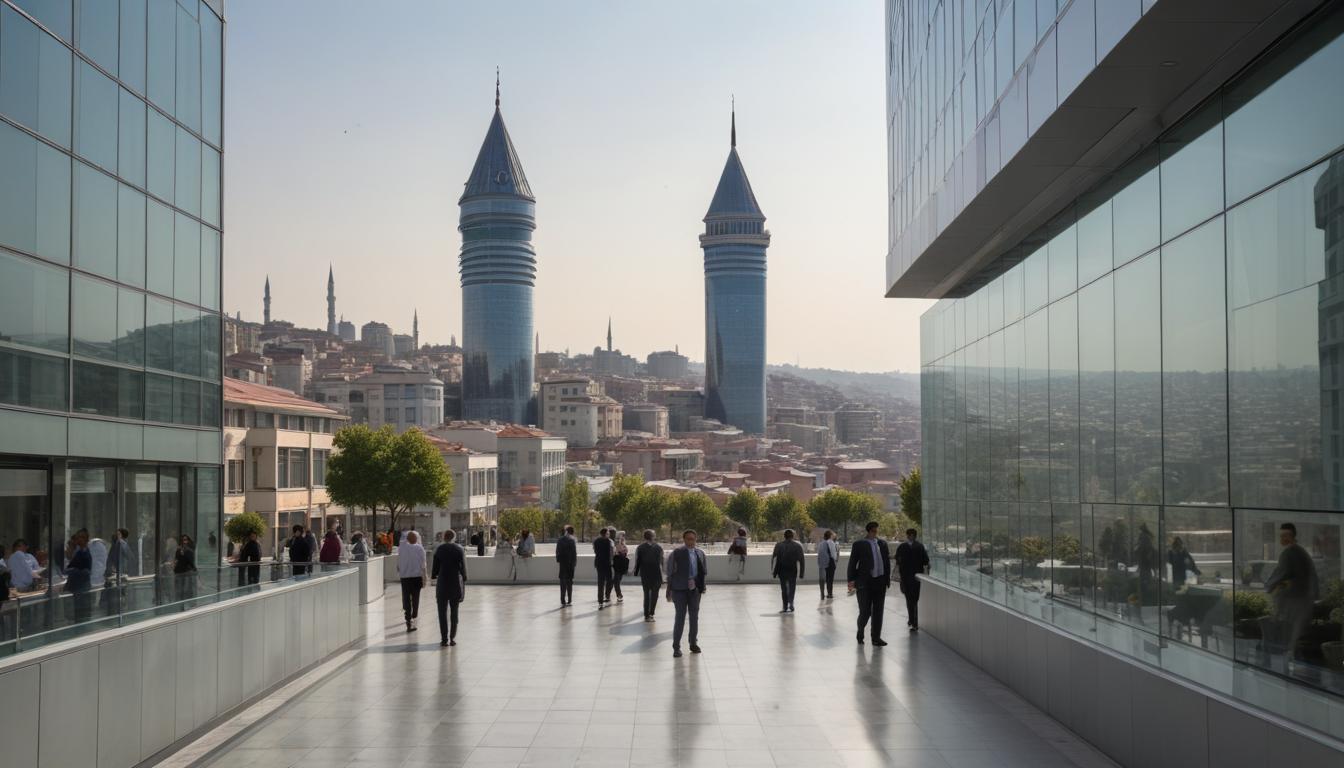
Walk through the cobblestone streets of Galata on any given afternoon, and you'll find the neighbourhood buzzing with young professionals hunched over laptops in converted brownstones. It's here, in this historic quarter that has transformed into Istanbul's de facto startup hub, that a wave of fintech entrepreneurs are addressing one of the city's most pressing challenges: the widening gap between wages and cost of living.
The numbers paint a stark picture. Since 2021, rent in central Beyoğlu has climbed nearly 85 percent, while average salaries have lagged significantly behind. A one-bedroom apartment in Cihangir now commands around 35,000 Turkish lira monthly—a figure that consumes nearly 60 percent of the median white-collar worker's income. For Istanbul's young professionals, the mathematics of daily survival has become a crisis point.
This economic pressure has sparked innovation. One particularly promising venture, headquartered in a refurbished warehouse space near the Galata Tower, has developed a mobile-first budgeting platform specifically calibrated to Istanbul's economic realities. The application tracks household expenses across neighbourhood-level markets, from the produce stalls of Balıklı Pazarı to utilities in the European and Asian sides, offering users real-time comparisons and forecasting tools.
The founders identified a critical gap: most international fintech solutions treat Istanbul as secondary to Western markets, failing to account for local inflation patterns, neighbourhood-specific pricing variations, and the complex informal economy that remains integral to many households' financial strategies. By contrast, this locally-focused platform has gained traction among Istanbul's professional class, boasting over 40,000 active users within eighteen months of launch.
What makes this venture noteworthy isn't merely its user base, but its deeper contribution to the city's financial literacy landscape. Through partnerships with community centres in Fatih and Şişli, the founders have begun offering free workshops on household budgeting and investment strategies—efforts that acknowledge how financial stability remains unevenly distributed across Istanbul's diverse neighbourhoods.
The broader lesson here reflects Istanbul's evolving identity as a global business centre. Rather than simply importing Silicon Valley solutions, the city's emerging entrepreneurial class is developing instruments responsive to local conditions. As Istanbul grapples with inflation, currency volatility, and demographic shifts, these homegrown fintech initiatives aren't merely commercial ventures—they're practical responses to the lived experiences of millions navigating an increasingly expensive city.
For investors watching Istanbul's startup ecosystem, the message is clear: the most scalable solutions often emerge from those who understand their markets intimately.
This article was compiled by AI from the sources linked above and screened before publishing. See our editorial standards.