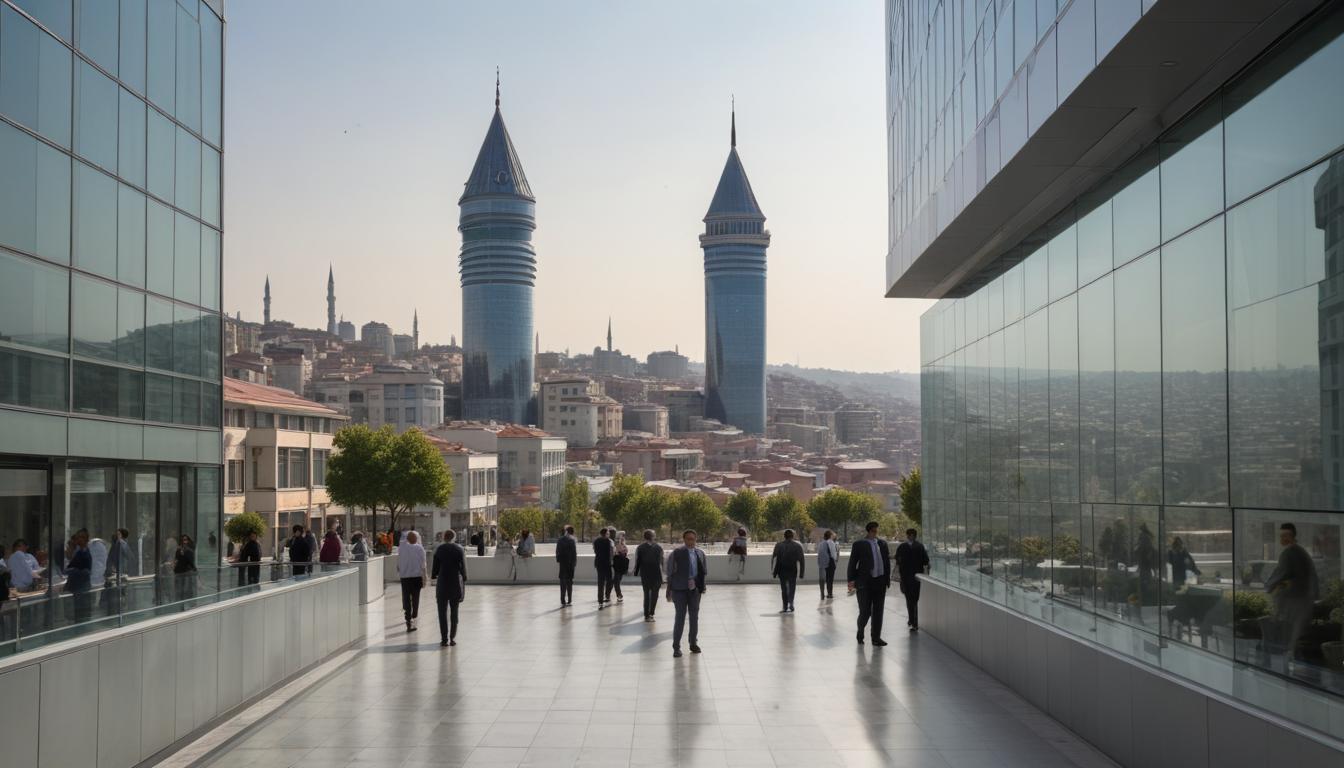
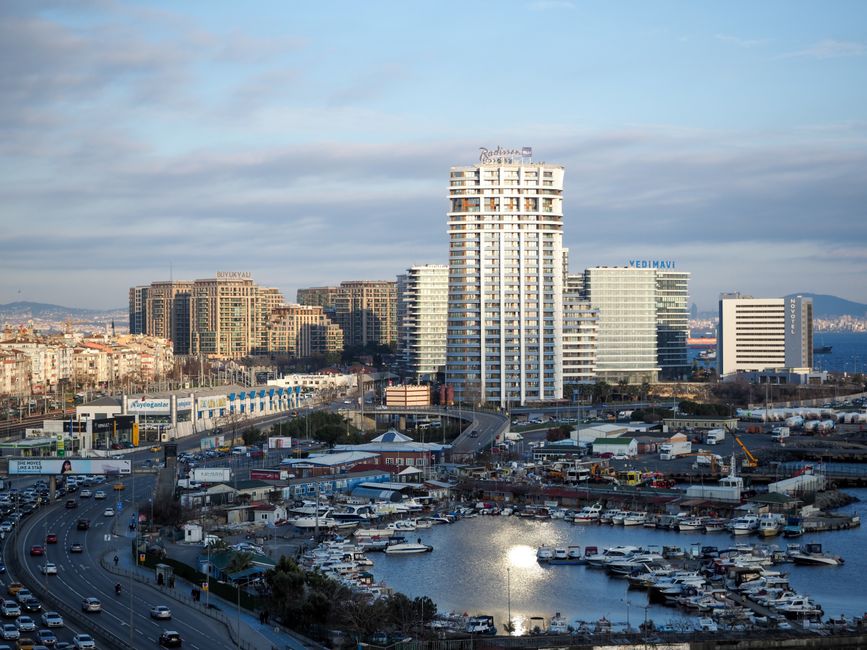
Walk along İstiklal Caddesi or peek into the renovated warehouse spaces of Galata, and you'll see Istanbul's economic transformation playing out in real time. Yet beneath the cranes and construction signs lies a more complex story—one written in currency flows, inflation indices, and foreign direct investment patterns that directly affect everything from your morning coffee to your rent in Beşiktaş.
Turkey's inflation, which peaked above 60% in 2023, has moderated to the mid-30s range this year, but Istanbul's experience remains stubbornly higher than official statistics suggest. Real estate in central neighbourhoods like Beyoğlu and Şişli has absorbed much of this pressure, with rental costs climbing 25-30% annually. For the average Istanbul household, this translates to meaningful budget adjustments—what cost 150 Turkish lira eighteen months ago now approaches 200 lira at neighbourhood grocers.
Foreign investment flows tell a revealing story. Despite global uncertainty, tech and financial services sectors have attracted nearly $2.8 billion in venture capital and institutional money over the past eighteen months, with significant clusters emerging around Levent's corporate towers and the expanding startup ecosystem near Kabataş. This capital influx competes with local businesses for resources, pushing borrowing costs higher and reshaping neighbourhood demographics as young professionals relocate toward employment hubs.
The Central Bank's interest rate decisions ripple through Istanbul's commercial districts immediately. When rates rise—as they have throughout 2026—small shopkeepers on Nişantaşı's boutique avenues and traders in the Grand Bazaar face tighter credit conditions. Import-dependent businesses, already managing currency volatility, often pass costs to consumers within weeks.
Yet investment indicators suggest cautious optimism. Domestic institutional investors—pension funds and insurance companies—have increased Turkish asset allocations, signalling confidence despite headline volatility. The Borsa Istanbul index's 18% year-to-date performance reflects this selective appetite, concentrated in banking, energy, and tourism stocks rather than broad-based gains.
For ordinary Istanbulites, understanding these flows matters practically. Real wages continue declining relative to living costs despite nominal salary growth. Commercial property investors watch foreign institutional capital closely—emerging interest in Istanbul's logistics and renewable energy sectors suggests money is flowing beyond traditional real estate.
The verdict: Istanbul remains attractive to sophisticated investors betting on Turkey's long-term fundamentals, but ordinary residents face persistent cost-of-living pressures. Watch currency stability and foreign reserve levels as leading indicators—they'll signal whether investment confidence holds through 2027.
This article was compiled by AI from the sources linked above and screened before publishing. See our editorial standards.