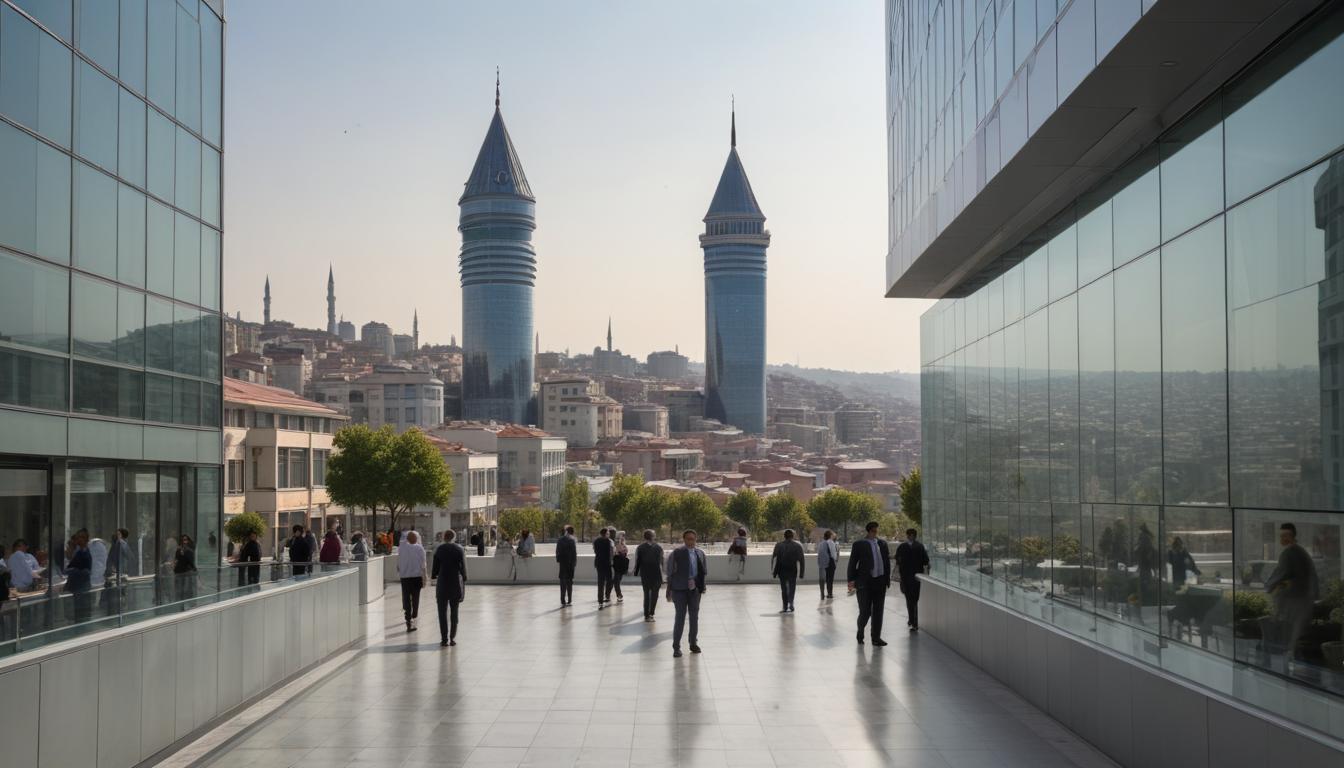
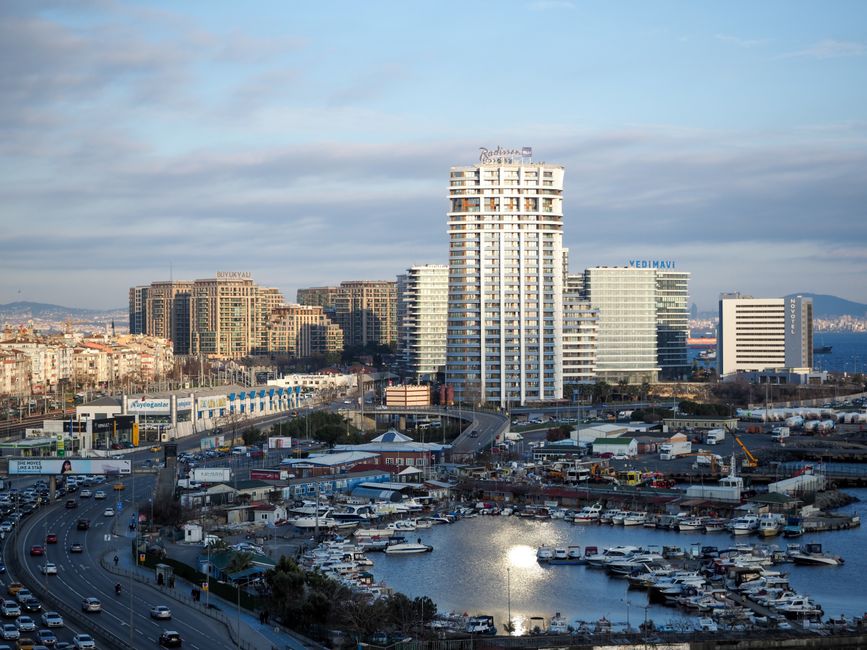
Istanbul's commercial property market is experiencing a decisive inflection point. After three years of pandemic-driven uncertainty and the subsequent drift toward hybrid arrangements, occupancy rates in prime office corridors have rebounded sharply, creating a window of opportunity for those positioned to capitalize on pent-up corporate demand.
The numbers tell a compelling story. Prime office space in Levent—Istanbul's traditional financial hub—is now commanding rents of $35–45 per square meter annually, up nearly 18 percent from early 2024 levels. Maslak, the northern business district that has aggressively modernized its stock, is seeing similar momentum, with purpose-built Grade A towers reporting occupancy rates above 92 percent for the first time since 2019.
What's driving the shift? Several factors converge. Multinational corporations, from financial services to technology and consulting, are consolidating regional operations in Istanbul rather than maintaining scattered satellite offices across secondary markets. Turkey's position as a bridge between European and Middle Eastern markets has reinforced the city's strategic value for firms managing cross-border operations. Simultaneously, Turkish companies expanding internationally are establishing formal headquarters bases in gleaming office parks—a marked departure from the owner-operated models that dominated a decade ago.
Real estate development firms with land banks in Ataşehir and along the E-5 corridor are already mobilizing. Several have launched speculative projects targeting 2027–2028 completion, betting that current demand trajectories will sustain. Those who secured freehold rights or long-term leases before the recent uptick are experiencing valuation increases of 12–15 percent year-on-year.
Foreign investors, particularly from Gulf states and Europe, have re-entered the market after a prolonged absence. Acquisition activity in the second quarter of 2026 surged 40 percent compared to the same period last year, according to preliminary data from Istanbul's commercial real estate services sector. Institutional investors are particularly focused on stabilized assets—existing towers with established tenant rosters—rather than speculative development.
The opportunity, however, remains time-bound. Several large-scale office projects are scheduled to complete within the next 18 months, potentially increasing supply and moderating rental growth. Shrewd market participants recognize that pricing power exists now, but will likely erode as inventory expands. Those who move decisively—negotiating long-term leases, securing anchor tenants, or acquiring well-located development sites—stand to benefit substantially from Istanbul's renewed appeal as a corporate destination.
This article was compiled by AI from the sources linked above and screened before publishing. See our editorial standards.