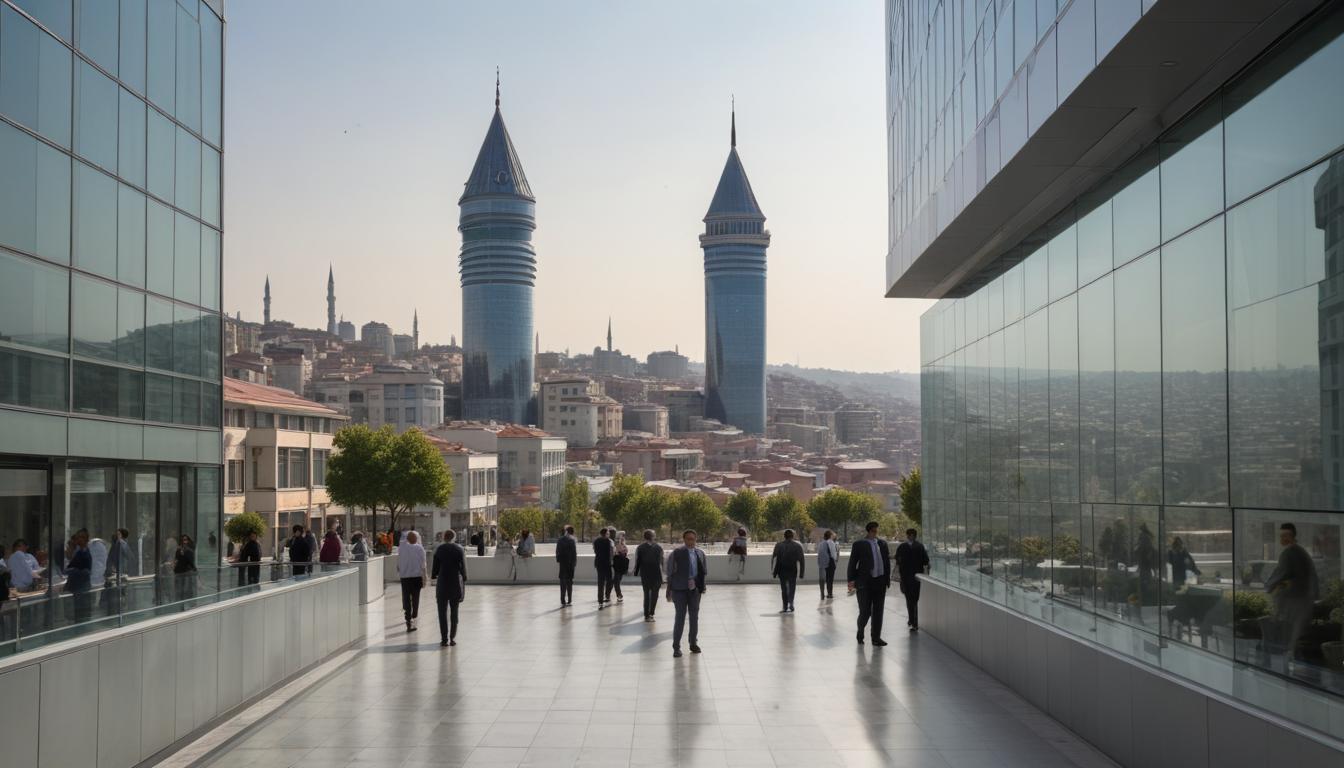
Istanbul's Startup Surge is Rewriting the City's Talent Playbook
As micro-entrepreneurs flood neighbourhoods from Beşiktaş to Kadıköy, traditional employment pathways are fracturing—and reshaping how young professionals build careers.
As micro-entrepreneurs flood neighbourhoods from Beşiktaş to Kadıköy, traditional employment pathways are fracturing—and reshaping how young professionals build careers.

Walk through the cobblestone lanes of Galata on any weekday morning, and you'll see them: young founders hunched over laptops in corner cafés, their startup pitch decks glowing on screens as espresso grows cold. This scene, once the exception, has become the default across Istanbul's innovation zones, triggering a fundamental shift in how the city's talent market operates.
Data from the Istanbul Chamber of Commerce reveals that micro-enterprise registrations—businesses with fewer than 10 employees—grew 34 per cent year-on-year through 2025. More striking is the demographic profile: 62 per cent of founders are under 35, and roughly half launched their ventures within the past three years. The ripple effects are reshaping recruitment, wage structures, and career expectations across the city.
In Kadıköy, once the domain of established media and publishing firms, co-working spaces now outnumber traditional office blocks. Spaces like those clustered around Bahariye Caddesi have swollen to capacity, with membership fees ranging from 1,200 to 2,500 Turkish lire monthly—accessible enough to attract bootstrapping founders, yet organised enough to provide infrastructure. This geography has attracted a new class of service provider: digital marketers, freelance developers, and graphic designers who once might have sought permanent roles now operate as independent contractors, juggling three to five client relationships simultaneously.
The shift has created peculiar labour market distortions. Traditional corporate salary expectations—once anchored around 85,000 to 120,000 lire annually for mid-level professionals—now compete with equity-based compensation packages from startups, many offering salaries 15-20 per cent below corporate norms but with equity stakes. Headhunters report increased difficulty retaining talent in established firms, particularly among engineers and product managers lured by the autonomy and upside of early-stage ventures.
University career centres across Istanbul—from Boğaziçi to Bilgi—report shifting placement patterns. Five years ago, 70 per cent of graduates pursued traditional employment; today, that figure hovers around 52 per cent, with the remainder gravitating toward freelancing, founding, or hybrid arrangements. Internship structures have fragmentised accordingly, with startups in Beşiktaş's burgeoning tech cluster now competing fiercely for talent by offering flexible terms and mentorship that corporate internship programmes rarely match.
Yet this democratisation comes with costs. Job security has deteriorated; funding cycles create boom-bust employment patterns. The city's social safety net—designed around traditional employment—struggles to accommodate the contingent workforce that now constitutes an estimated 28 per cent of Istanbul's young professional cohort. Still, for a generation viewing corporate bureaucracy as increasingly irrelevant, this fragmentation feels less like instability and more like liberation.
This article was compiled by AI from the sources linked above and screened before publishing. See our editorial standards.
How does this story make you feel?
Spread the word
About this article
Published by The Daily Istanbul
Daily brief
Free, in your inbox before 7am. Weekdays.
More in Business