lifestyle
Istanbul's Best Neighborhoods: Where to Rent in 2026
From the Bosphorus views of Beşiktaş to the creative quarters of Kadıköy, where to rent in Europe's largest city.
Listen in English · 4 min
How we reported this
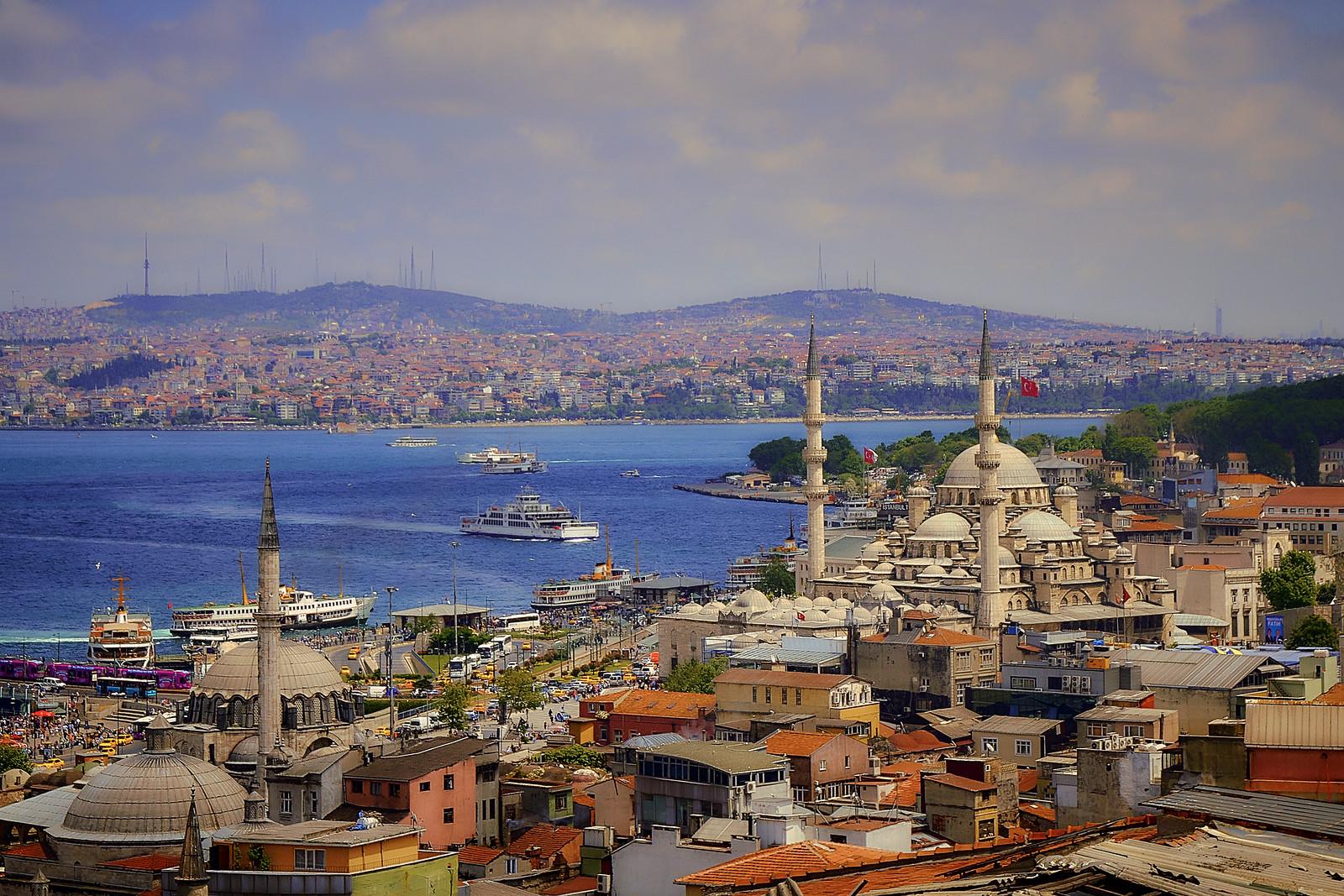
Istanbul straddles two continents, and its neighbourhoods are just as varied as that geography suggests. Whether you are chasing Bosphorus panoramas, a bohemian cafe scene or simply a rent bill that will not empty your wallet, the city has a district to match. Below is a practical guide to the best areas for renters and newcomers, with indicative pricing as at early 2026.
Beşiktaş: The Bosphorus Corridor
Beşiktaş sits on the European shore where the strait narrows, and its sub-neighbourhoods of Etiler, Bebek and Ortaköy consistently rank among the most desirable addresses in the city. The draw is obvious: waterfront promenades, a lively nightlife strip and some of the finest views money can buy.
Average rents across the district hover around ₺51,000 per month (roughly $1,460 USD), though furnished apartments with direct Bosphorus outlook command a 30 to 50 per cent premium on top of that. Expats typically budget $700 to $1,200 USD per month depending on size and proximity to the water.
Who it suits
- Professionals and couples who want walkable nightlife, restaurants and ferry commutes
- Anyone willing to pay a premium for a view that never gets old
Kadıköy: The Asian Side's Creative Hub
Cross the Bosphorus by ferry (roughly 20 minutes from Eminönü) and you land in Kadıköy, a district that has become the first choice for European expats, digital nomads and anyone who prefers a laid-back pace. The Moda, Caddebostan and Suadiye waterfront strips offer coastal living with excellent public transport back to the European side.
Coastal Kadıköy commands around ₺64,000 per month ($1,830 USD) for premium addresses, but move a few streets inland and one-bedroom rents drop to the $400 to $700 USD range. The district's creative energy, independent bookshops and weekend markets make it feel more like a European quarter than a megacity suburb.
Who it suits
- Digital nomads and remote workers seeking cafe culture and community
- Expats who want coastal living without Beşiktaş price tags
- Families drawn to quieter streets on the Suadiye end
Sarıyer: Green, Leafy and Family-Friendly
North of Beşiktaş along the European shore, Sarıyer (including Emirgan and İstinye) offers something rare in central Istanbul: space. Tree-lined streets, well-regarded international schools and proximity to the Belgrade Forest make it the go-to for families.
Rents average around ₺60,000 per month ($1,715 USD). That is comparable to Beşiktaş, but you trade nightlife for greenery, quieter evenings and larger floor plans. İstinye Park mall provides high-end shopping, and the commute into Levent or Maslak business districts is manageable by car or bus.
Who it suits
- Families with school-age children
- Anyone who values green space and a quieter daily rhythm
Cihangir: Istanbul's Bohemian Quarter
Tucked into the hillside above Taksim in the Beyoğlu district, Cihangir punches well above its weight for atmosphere. Narrow streets are lined with independent cafes, vintage shops and small galleries. English is widely spoken, and the neighbourhood has long attracted writers, artists and a sizeable international community.
Apartment stock is older (think characterful walk-ups rather than modern towers), and rents sit in the mid-range for central Istanbul. Expect to pay ₺25,000 to ₺45,000 per month for a one- or two-bedroom flat, depending on condition and whether you score a Golden Horn view.
Who it suits
- Creatives, freelancers and newcomers who want to settle in quickly
- Anyone who values walkability and community over square metres
Nişantaşı: Upscale and Central
If your budget stretches further, Nişantaşı delivers Istanbul's most polished residential experience. The district doubles as the city's premier shopping destination (think Abdi İpekçi Caddesi), with high-end boutiques, fine dining and well-maintained apartment blocks.
Rents here are among the highest in the city. A modern one-bedroom starts around ₺40,000 per month and climbs steeply for larger or renovated units. The trade-off is a central location, excellent metro access and a neighbourhood that feels curated without being sterile.
Who it suits
- High-earning professionals who want a prestigious, walkable address
- Anyone relocating for corporate roles in Şişli or Levent
Budget-Friendly Alternatives: The Outer Districts
Istanbul's affordability story lives on its fringes. Districts such as Esenyurt, Beylikdüzü and parts of Başakşehir offer rents between ₺8,000 and ₺12,000 per month ($230 to $340 USD), a fraction of the central-city average of ₺19,250 for a one-bedroom flat.
The trade-off is commute time. Esenyurt to Taksim can take 90 minutes by public transport on a good day. However, the Marmaray line and expanding metro network are gradually improving connectivity. For newcomers on a tight budget, these districts provide a foothold while you explore the city.
The Rental Market in 2026: What to Expect
Rents across Istanbul jumped roughly 36 per cent year-on-year heading into 2026, driven by inflation, strong domestic demand and a wave of international arrivals. That pace is expected to slow to 20 to 25 per cent growth by year-end, but the market remains firmly in landlord territory.
- Vacancy rate: 3 to 5 per cent citywide, with most listings absorbed within 30 days
- Furnished premium: 30 to 50 per cent above unfurnished equivalents, particularly in the Bosphorus corridor
- Citywide one-bedroom average: ₺19,250 per month (~$550 USD)
Prospective renters should be prepared to move quickly, bring references and, where possible, negotiate lease terms that cap annual increases.
Choosing Your District
Istanbul rewards research. Spend a week in different neighbourhoods before signing a lease. The ferry network makes it easy to sample both shores in a single day. What works on paper (short commute, sea view) may matter less than what you discover on the ground: the baklava shop around the corner, the neighbour who watches your cat.
Wherever you land, you will be living in a city that has been attracting newcomers for the better part of two millennia. The trick is finding the corner of it that feels like yours.