The Science Behind Mindfulness: What It Actually Does to the Brain
As Istanbul’s mindfulness movement grows, neuroscientists are revealing just how meditation reshapes the brain.
As Istanbul’s mindfulness movement grows, neuroscientists are revealing just how meditation reshapes the brain.
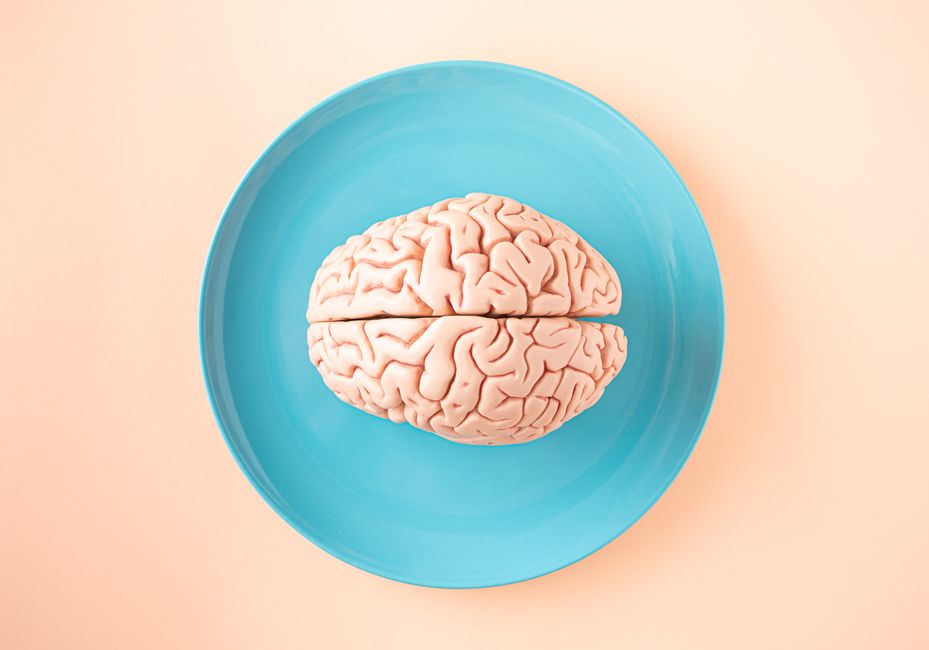
Istanbul’s hammams and tea houses have long offered city dwellers a chance to slow down. But now, new research is making clear why those moments of stillness matter: regular mindfulness practices like meditation are not just calming—they leave measurable marks on the brain itself.
Interest in mindfulness has soared in the city’s wellness scene this summer. Social media groups on the Asian and European sides are buzzing with workshop announcements, and local practitioners point to the July heat, crowded streets, and relentless news cycle as reasons residents seek relief. More than leisure, they want resilience—and science is offering answers.
The Belgrad Forest trails, stretching from Bahçeköy to Kemerburgaz, have seen a surge of early-morning joggers pausing mid-run for guided breathing. At the Mindfulness Institute Istanbul on Nişantaşı’s Abdi İpekçi Caddesi, eight-week “Mindfulness-Based Stress Reduction” classes are fully booked this month (with the next opening in September). Meanwhile, the Acibadem Altunizade Hospital recently started offering patient support groups using meditation for chronic pain management, blending centuries-old Anatolian approaches with evidence-based Western protocols.
The trend isn’t limited to premium clinics either. Free meetups in Moda Bay's shoreline parks attract hundreds on weekends, with yoga mats spread along the Sea of Marmara. Even traditional spaces are adapting: the historic Kılıç Ali Paşa Hamamı in Karaköy hosts Wednesday evening silence sessions for guests—combining sensory deprivation with mindful reflection, a modern echo of Ottoman bath culture.
Scientific studies now offer a local answer to why these rituals work. According to a 2025 meta-analysis in the Turkish Journal of Psychiatry, adults who practiced mindfulness meditation at least 20 minutes daily for eight weeks showed a measurable increase in grey matter density in the hippocampus—a region critical for memory and emotion regulation. Participants also exhibited reduced amygdala activity, which is linked to stress reactivity.
These findings line up with global research: Harvard neuroscientists found similar results in MRI scans, with changes in brain structure visible after just two months of mindfulness classes. Istanbul’s universities are following suit, with Boğaziçi University launching a summer study into the effects of Bosphorus-side walking meditations on student anxiety levels. "We see actual shifts, not just subjective feelings," says Dr. Melis Demir of the Istanbul University Neurology Department, continuing: "Meditation seems to rewire stress circuits—and that’s not philosophy, it’s physiology."
Prices for group meditation sessions in Istanbul range from as little as 150 TL for an outdoor park meetup to upwards of 1,500 TL for a full six-week course at private studios. Public hospital programs remain free but fill up fast. By 2026, at least a dozen local wellness centres explicitly advertise scientifically-backed mindfulness training.
Anyone hoping to try mindfulness can start now with little more than a quiet corner in Kadıköy or Beşiktaş and a free guided audio from the Mindfulness Istanbul website. Regular practice appears to matter more than expensive classes. As new studies from both local and international teams continue to emerge, Istanbul’s mix of ancient ritual and modern neuroscience is making mindfulness less a buzzword and more a crucial part of daily self-care. Still, those with mental health concerns should check with a doctor at their local Acibadem or public hospital before starting any new practice.
How does this story make you feel?
Spread the word
About this article
Published by The Daily Istanbul
Daily brief
Free, in your inbox before 7am. Weekdays.
More in Wellness