Gut Health 101: Fermented Foods You Can Find Locally
From the yoghurt stalls of Kadıköy to century-old pickle shops in Beyoğlu, Istanbul's fermented food tradition turns out to be one of the city's most potent wellness assets.
From the yoghurt stalls of Kadıköy to century-old pickle shops in Beyoğlu, Istanbul's fermented food tradition turns out to be one of the city's most potent wellness assets.
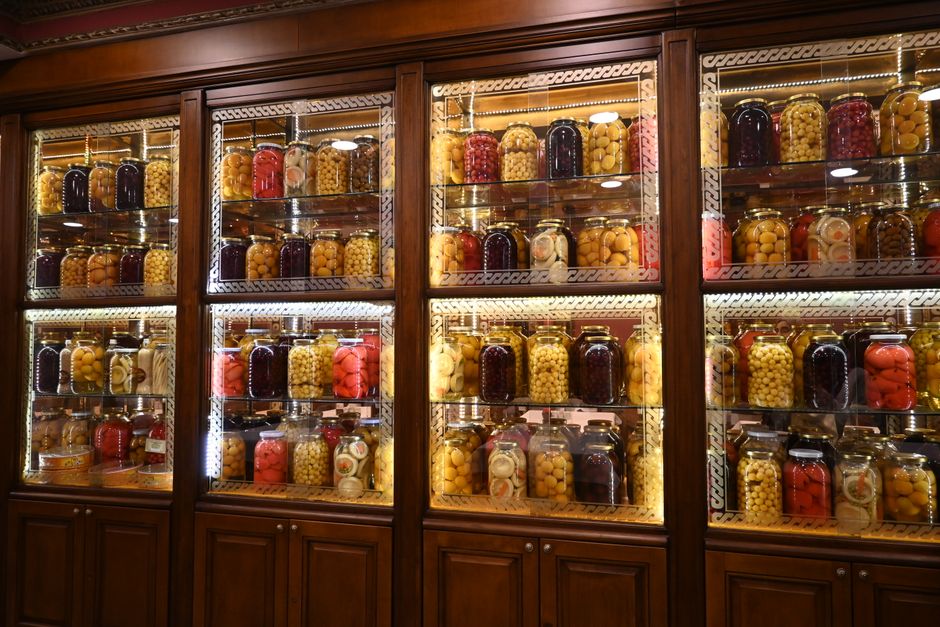
Turkish cuisine has quietly been doing what probiotic supplement companies now charge a fortune to replicate. Fermented foods — yoghurt, pickled vegetables, kefir, tarhana — have anchored the Anatolian diet for centuries, and emerging gut microbiome research is finally catching up to what your grandmother already knew.
The timing matters. A 2024 meta-analysis published in Cell Host & Microbe found that regular consumption of traditionally fermented foods — not supplements — increased microbial diversity in the gut by up to 19 percent over a ten-week period. Gut health has moved well beyond wellness-influencer territory. Gastroenterologists at Acıbadem Hospital's Fulya branch are now routinely asking patients about dietary fermentation as part of standard nutritional intake assessments, reflecting a broader clinical shift toward food-first interventions before probiotic capsules enter the picture.
Start in Kadıköy. The Tuesday market on Moda Caddesi — locals call it the Salı Pazarı — sells süzme yoğurt, a strained yoghurt with live cultures, for around 80 to 120 Turkish lira per kilogram depending on whether it comes from small Thrace producers or the Aegean coast. This is not the heat-treated product sitting in a supermarket cold aisle. The cultures are active. The difference is meaningful.
Walk ten minutes north to the Kadıköy covered market and you'll find Şükrü Usta'nın Turşuları, a family pickle stand that has been operating in the same corridor since the 1970s. The turşu — pickles brined in saltwater rather than vinegar — are lacto-fermented, meaning naturally occurring Lactobacillus bacteria do the work. Lahana turşusu (cabbage pickle) and şalgam suyu (turnip juice fermented with purple carrots and bulgur) are particularly dense in live cultures. A 500ml bottle of şalgam runs about 60 lira and doubles as a digestive aid that Adana locals have sworn by for generations.
Cross the Bosphorus to the European side and the fermentation trail continues in Beyoğlu. The covered market at Balık Pazarı on İstiklal Caddesi houses at least three stalls selling kefir sourced directly from small farms in the Thrace region. Kefir contains anywhere from ten to 34 distinct microbial strains depending on the grain used — considerably more complex than commercial yoghurt, which typically carries two or three.
Tarhana deserves its own paragraph. This dried soup base — made from fermented yoghurt, wheat, tomatoes, peppers and herbs — is one of the world's oldest functional foods. The fermentation process during production breaks down phytic acid in the wheat, improving mineral absorption. You can buy quality tarhana from Koska, the Istanbul-based food producer with a shop on Tahtakale Caddesi in Eminönü, for about 150 lira per 500 grams. It stores for months and dissolves into a hot soup that costs almost nothing per serving.
Boza, the slightly fermented millet drink sold seasonally by Vefa Bozacısı in Fatih — the shop opened in 1876 — returns to menus in cooler months but can be found year-round at select deli counters in Nişantaşı and Cihangir. Its fermentation period is short, so live culture counts are lower than in kefir or turşu, but it contributes fibre and resistant starch alongside its modest probiotic load.
The practical starting point is simple. Add one fermented food daily before worrying about expensive supplements. A small bowl of süzme yoğurt at breakfast, a glass of şalgam with lunch, or a bowl of tarhana soup in the evening covers the basics. Nutrition specialists at Istanbul's Koç University Hospital recommend introducing fermented foods gradually — over two to three weeks — for anyone who has been eating a low-fibre or heavily processed diet, as rapid microbiome shifts can cause temporary bloating. For anyone with existing digestive conditions, a consultation with a gastroenterologist before making significant dietary changes is the sensible step. The good news is that in Istanbul, the raw ingredients are not a trend. They're just Tuesday at the market.
How does this story make you feel?
Spread the word
About this article
Published by The Daily Istanbul
Daily brief
Free, in your inbox before 7am. Weekdays.
More in Wellness