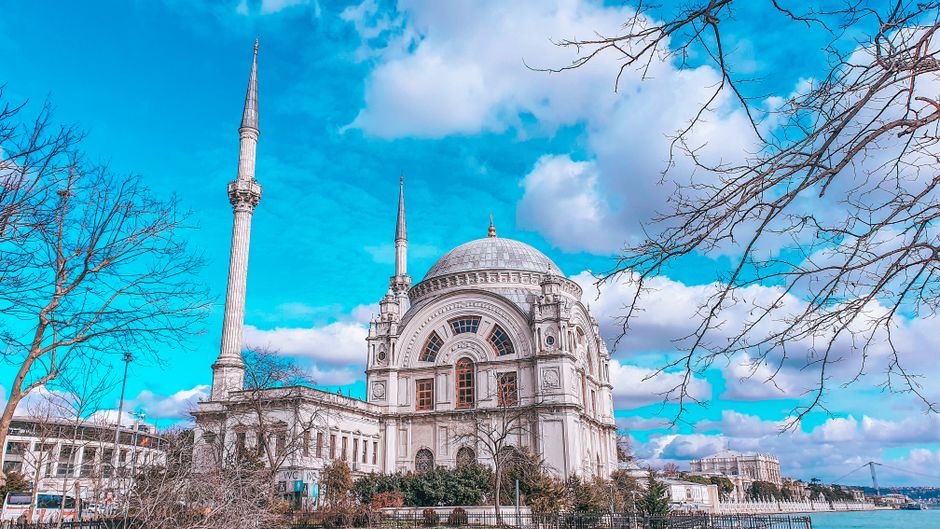
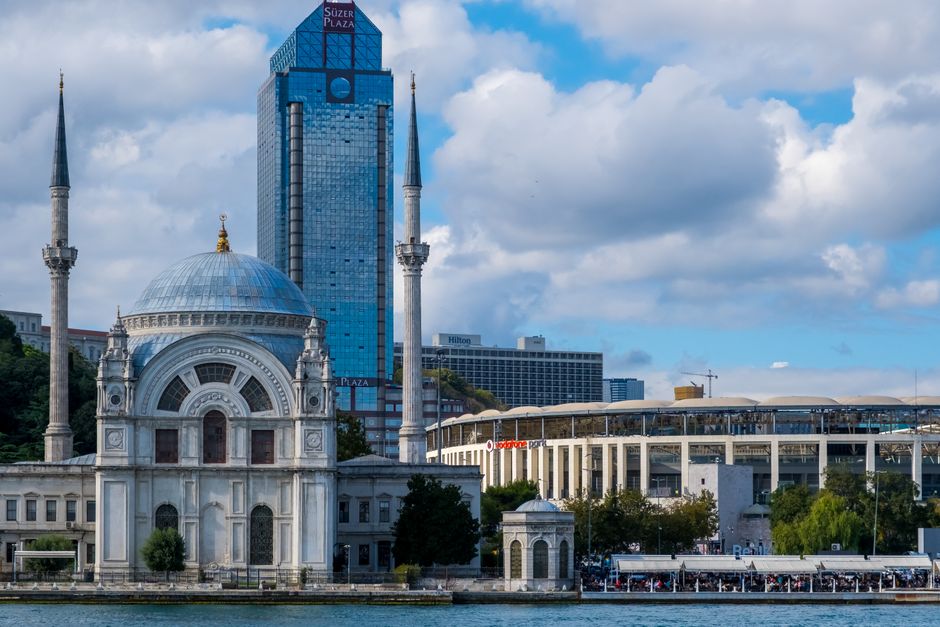
Istanbul has a wellness infrastructure that most residents walk past daily without recognising it as such. The Bosphorus running path stretching along the European shore from Beşiktaş to Arnavutköy is free, open at 5 a.m., and—on a clear July morning—offers the kind of sunrise meditation backdrop that boutique retreat centres in Bodrum charge 2,500 lira a night to approximate. The city's challenge has never been finding wellness. It has been knowing where to look.
That challenge matters more right now. Global heat records are falling across the northern hemisphere this summer, and Istanbul's June average temperature climbed to 29.4°C, two degrees above the seasonal mean, according to the Turkish State Meteorological Service. Chronic heat stress, disrupted sleep and rising urban anxiety are pushing wellness demand upward precisely as household budgets remain squeezed by inflation that hit 38 percent year-on-year in May 2026. Free and affordable options are no longer a niche preference. For most of the city's 15 million residents, they are the only realistic option.
Parks, Paths and the Hammam That Predates the Gym
Belgrad Forest, 25 kilometres north of the city centre, is the most underused wellness asset in metropolitan Istanbul. The İstanbul Büyükşehir Belediyesi—the city municipality—operates free shuttle buses from Sarıyer on weekends between 7 a.m. and 9 a.m. specifically to reduce car traffic into the forest. The pine-covered trails run for roughly 50 kilometres in total; the Neşet Suyu picnic area functions as an informal gathering point for weekend yoga groups, several of which advertise on the Turkish social platform Ekşi Sözlük and charge nothing to join. Bring a mat and arrive before 8 a.m. to claim flat ground before the family crowds.
The hammam tradition deserves rehabilitation as a legitimate holistic practice rather than a tourist novelty. The Çemberlitaş Hamamı in Fatih, built in 1584 by Mimar Sinan, offers a basic bath and kese scrub service for 350 lira on weekday mornings—less than a large specialty coffee at most Nişantaşı cafés. The thermal water and the 45-minute passive heat exposure lower cortisol measurably, according to a 2023 review published in the Journal of Thermal Biology covering traditional bathing practices across the Mediterranean and Middle East. The Tarihi Galatasaray Hamamı in Beyoğlu runs a similarly priced local rate before 11 a.m. on weekdays. Both are walking distance from major metro lines.
For guided yoga and meditation specifically, the Kadıköy municipality's cultural centre on Mühürdar Caddesi has offered free Saturday morning yoga classes since March 2025 as part of the Sağlıklı Kadıköy programme. Sessions run at 8 a.m. and 9:30 a.m. and fill within hours of weekly registration opening on the Kadıköy Belediyesi website. The Cihangir neighbourhood yoga scene is denser and pricier, but several studios including Nefes Yoga on Akarsu Sokak operate sliding-scale community classes at 150 lira—roughly a third of the standard drop-in rate of 450 to 600 lira at comparable studios in Nişantaşı or Etiler.
Digital Tools and What to Do on Monday Morning
The Insight Timer app carries over 70 Turkish-language guided meditations, all free, and several Istanbul-based practitioners have uploaded Bosphorus soundscape sessions specifically timed for commuting on the Üsküdar–Kabataş ferry line. The 25-minute crossing at dawn is itself a meditative act if you stay on the outer deck and keep the phone in your pocket.
For those dealing with more than routine stress, the Acibadem hospital network operates outpatient integrative wellness consultations at its Maslak and Altunizade branches; a first appointment with a psychologist runs around 800 lira with a referral under the SGK public insurance scheme, substantially below the private market rate of 1,200 to 2,000 lira. That said, anyone experiencing persistent anxiety, sleep disruption or burnout should book with a qualified medical professional rather than treat forest walks as a substitute for clinical care.
The practical starting point for most people is simpler than any of this: the Bosphorus path at 6 a.m., a thermos of çay, twenty minutes sitting still. Istanbul has always known that ritual and repetition are the architecture of calm. The city built hammams before it built hospitals. The knowledge has not gone anywhere. It just needs locating again.