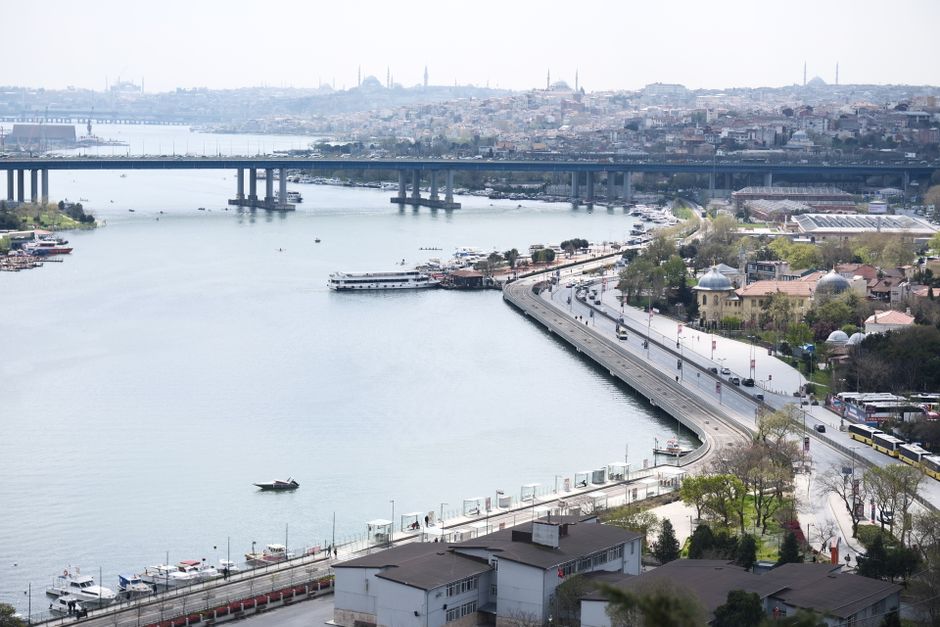
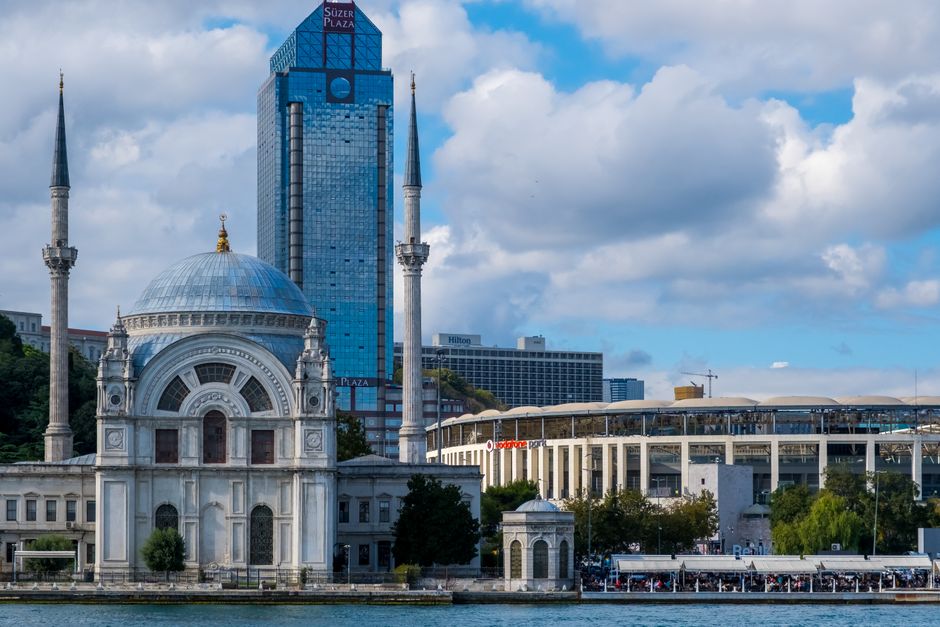
The heat already feels relentless this summer in Istanbul, with the municipal weather office logging daytime highs above 32°C for ten of the first fourteen days of July. As humidity clings along the Bosphorus and city life slows to a sticky crawl, doctors across Acibadem Hospital’s Levent and Kadiköy branches say they've seen a steady uptick in patients reporting headaches, fatigue, and dizziness—classic signs of dehydration.
Local interest in the role of hydration in day-to-day wellness has spiked this season. Partly that’s down to the calendar; Eid travel and record numbers of walkers on the city’s coastal running paths are coinciding with a heatwave that’s pushed public health officials to issue renewed warnings. But it’s also connected to cultural habits—particularly Istanbul’s famous black tea, which most drinkers enjoy strong, frequent, and scalding hot, even in July. “For many locals, tea feels like hydration,” says Dr. Sema Uğurlu, an internal medicine specialist at Acibadem Altunizade, “but it’s not always the best source when the mercury climbs.”
Where Tradition Meets Practical Needs
Hydration advice in Istanbul is often filtered through a lens of tradition. The city’s centuries-old hammam culture—practiced at historic venues like Cağaloğlu Hamamı and Kılıç Ali Paşa Hamamı—centers not just on cleansing but the ritual of rehydrating afterward, often with house-made şerbet (fruit-and-herb drinks) or ayran. Yet many city dwellers, bustling between appointments in Şişli or pounding out morning runs from Ortaköy to Yeniköy along the Bosphorus trail, default instead to tea or Turkish coffee. Water, ironically, can be overlooked.
Supermarkets in neighborhoods like Beşiktaş and Moda report a seasonal spike in sales of both bottled water (with 1.5-liter brands averaging 12 TL each) and electrolyte-rich options like Uludağ Gazoz Isotonic or homemade limonata kits aimed at young athletes. At the newly refurbished Maçka Park kiosk, park runners queue for liters of filtered water on tap—thanks to a city pilot project that offers clean, free refills in central green spaces. But city wellness organizations like Hareketlilik Istanbul warn that simply relying on thirst cues can be misleading, especially for older adults or children, who may underhydrate before symptoms show.
What the Data and Experts Say
Ministry of Health guidelines recommend a baseline fluid intake of at least 2.5 liters per day for active adults in Istanbul’s hot-and-humid conditions, but new survey data from Üsküdar University’s 2026 urban health study show the average reported intake is closer to 1.7 liters—leaving many at risk of mild to moderate dehydration. Turkish tea, a staple of every office and café, contains caffeine and is considered slightly dehydrating when consumed in large volumes without offsetting water. Sales of sports beverages and low-sugar şalgam (fermented turnip juice) have jumped 14% citywide compared to last July, according to local retail figures, a sign that awareness is shifting.
Walkers and runners—especially those frequenting Belgrad Forest’s popular Neşet Suyu trail—are choosing water packed with mineral tablets or filling up reusable flasks at trailheads instead of relying only on bottle kiosks. Wellness campaigns by the Istanbul Metropolitan Municipality, now posted at all six main city ferry terminals, urge citizens to "take a bottle, drink slowly, and keep sipping," with reminders that adults lose up to 1.2 liters of fluid per hour during vigorous exercise on hot days.
So what’s the best hydration strategy for the city? Local nutritionists advise balancing tradition and science: enjoy your tea, but balance each glass with a glass of water. Incorporate local favorites like lightly salted ayran or freshly pressed seasonal juices—pomegranate in winter, cucumber-lemon in peak summer—for extra electrolytes. Always carry a refillable water bottle when traversing busy boulevards like İstiklal Caddesi or taking languid strolls by the Marmara. And if you’re planning a sauna or hammam visit, prioritize rehydration with electrolyte-rich drinks afterward. For tailored guidance, residents should consult a local physician—especially those with chronic conditions or on medications. As summertime lingers, the message is clear: hydration isn’t just tradition, but survival on the Bosphorus.