The Science Behind Mindfulness: What It Actually Does to the Brain
Istanbul’s meditation boom comes with a wave of neuroscience discoveries linking brain changes to daily practices on the Bosphorus.
Istanbul’s meditation boom comes with a wave of neuroscience discoveries linking brain changes to daily practices on the Bosphorus.
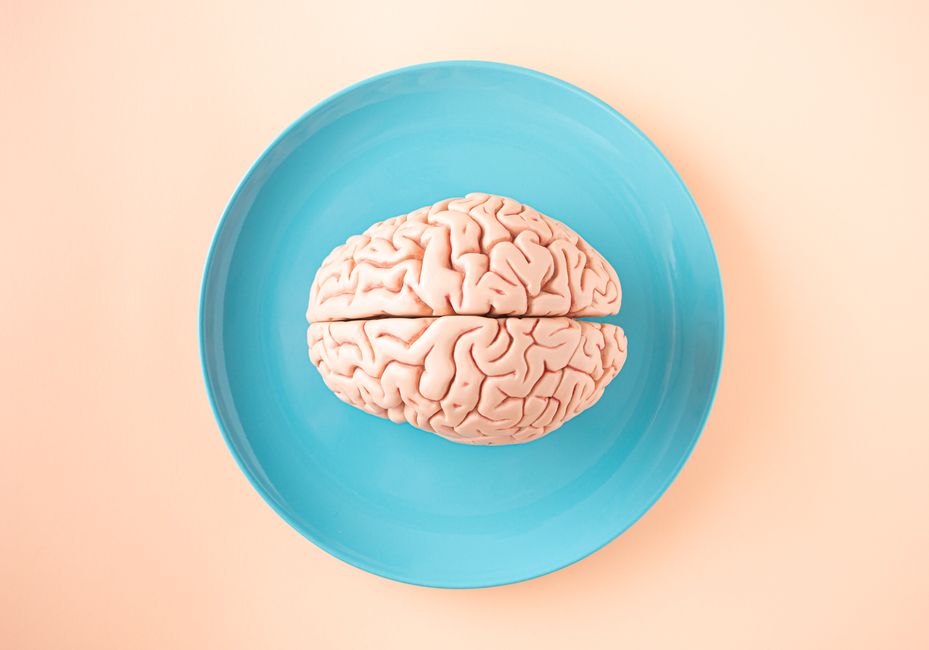
Yesterday morning, more than thirty people squeezed yoga mats onto the polished wooden floors at Nefes Mindfulness Studio in Cihangir. The class, guided by seasoned instructor Kerem Yılmaz, opened with fifteen silent minutes. According to research from Istanbul University’s Department of Neuroscience, that silence is changing more than just the mood in the room. MRI scans now clearly show those brief sessions can alter brain structure and function in as little as eight weeks.
For many Istanbulites, mindfulness is more than a lifestyle fad—it’s a mental health strategy. Rates of anxiety and work-related stress have continued to climb here, with a 2025 Medipol Hospital report estimating that more than 30 percent of city residents experienced elevated stress symptoms last year. With exam season looming and economic headlines rarely reassuring, the appetite for focus and calm is obvious. But do these moments of meditation on the Bosphorus running path or post-hammam quiet actually rewire the mind? Neuroscience says yes.
You’ll find the city’s mindfulness movement sprouting in eclectic corners. Nefes Mindfulness Studio, just behind Firuzağa Mosque, offers daily drop-in meditation from 80 TL, while Acibadem Altunizade Hospital’s psychology department runs an eight-week group mindfulness-based stress reduction (MBSR) course. Meanwhile, park benches along Moda Sahili fill with silent groups at sunset, eyes closed toward the Marmara. At Belgrad Forest, Sunday hikers gather at 9 am for guided walking meditations, combining breathwork and nature immersion. "The community here is remarkable," says one studio coordinator who asked to remain unnamed. "Our classes are full most mornings."
What’s drawing people in is more than just the promise of peace. Acibadem’s recent public mindfulness program sold out in under 48 hours when it launched in April this year. Online interest isn’t far behind, with Istanbul-based meditation app MindRest reporting a 50% increase in daily active users since January.
The allure is driven by science. Studies from Koç University’s Memory Research Lab, published in 2025, found that regular mindfulness practitioners—defined as those meditating at least five days a week—showed an average 5 percent increase in grey matter density in the hippocampus, a region central to learning and memory. Functional MRI tests at Istanbul University have echoed findings from Harvard and University of Oxford teams, flagging decreased amygdala activation after only two months of consistent sessions. In lay terms: less emotional reactivity, better problem-solving, and improved concentration. A 2024 Turkish Public Health Authority survey tied these findings to real results: participants in mindfulness programs reported a 40 percent drop in self-described anxiety after eight weeks, with similar improvements in sleep quality.
Financial barriers remain low. Most drop-in sessions around the city range from 50-120 TL, and several neighbourhood initiatives in Kadıköy and Beyoğlu operate on a pay-what-you-can basis. If cost is an object, YouTube-based instructors and free park groups provide a no-barrier entrance to the movement. Istanbul’s strong tea culture plays into the practice too, with local groups using shared çay as a mindful moment before or after meditation.
For city residents considering trying mindfulness, local mental health organisations recommend starting small: two to five minutes a day, preferably in a quiet home corner or a shady bench in Maçka Parkı. Apps like MindRest (with guided Turkish-language meditations) or in-person courses at Nefes are both accessible introductions. For those needing more support, clinics in the Acibadem hospital network now offer mindfulness therapy as part of their psychological services. With regular government surveys linking mindfulness practice to reduced healthcare visits and absenteeism, city officials have hinted at expanding free public meditation spaces in 2027.
Practitioners and researchers alike warn: mindfulness is not a replacement for medical care, but it is a powerful tool for supporting mental well-being. With summer crowds packing Istanbul’s running paths and cafes, the science suggests taking a few silent minutes could make a world of difference—one focused breath at a time.
How does this story make you feel?
Spread the word
About this article
Published by The Daily Istanbul
Daily brief
Free, in your inbox before 7am. Weekdays.
More in Wellness