Gut Health 101: Fermented Foods You Can Find Locally
From homemade turşu on the shelves of Kadıköy markets to kombucha workshops in Cihangir, Istanbul is embracing traditional and modern fermented foods for better gut health.
From homemade turşu on the shelves of Kadıköy markets to kombucha workshops in Cihangir, Istanbul is embracing traditional and modern fermented foods for better gut health.
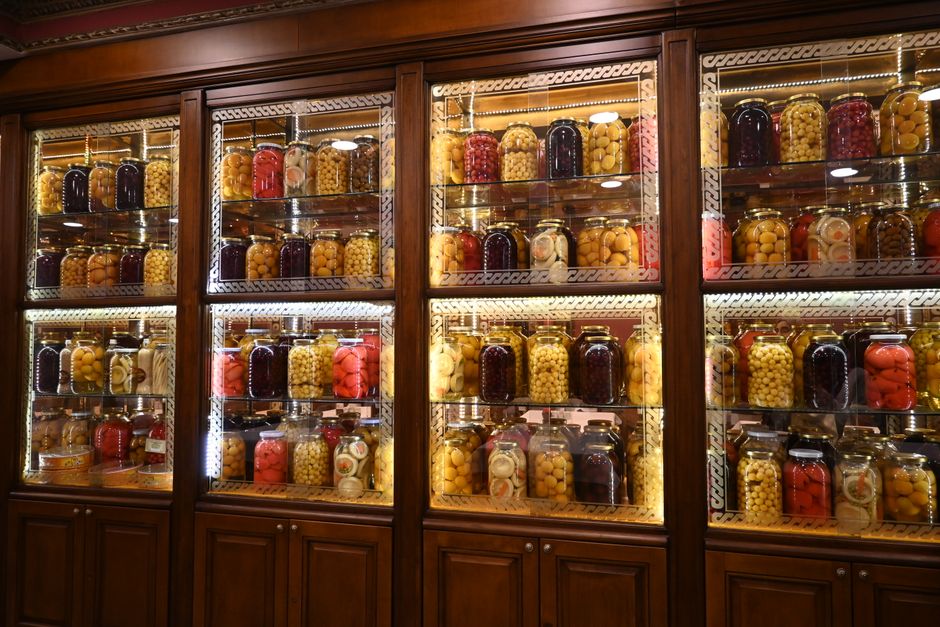
Jars of pickled vegetables in every color line the shelves at Kadıköy Çarşı’s legendary Gözde Turşucusu, but this isn’t just about taste. Nutritionists and local wellness experts in Istanbul are turning their attention to the gut, spotlighting the centuries-old Turkish love affair with fermented foods as a route to better digestive and immune health.
This renewed focus comes as city dwellers report rising stress-related digestive issues and actively seek dietary ways to improve wellbeing without radical lifestyle changes. In a city famed for rich breads, syrupy desserts and strong tea, the conversation is shifting: experts argue that local, affordable options such as turşu (pickled vegetables), yoğurt (yogurt)—especially the house-made kind found in Beyoğlu’s 150-year-old Pando and small-batch kombucha in Cihangir—deliver powerful benefits to gut flora. The Acıbadem Hospitals Group, with clinics in Altunizade and Maslak, has reported a 25% increase since 2024 in patients asking about probiotics and gut-friendly diets.
Walk through the open-air markets of Balat or venture into the side streets of Karaköy, and you’ll spot sprawling displays of turşu—pickled green beans in salty brine, cabbage heads tinged with beetroot, even garlic cured with vinegar. At Çiya Sofrası on Güneşli Bahçe Sokak, waiters tout their house-fermented ayran (tangy salt yogurt drink) alongside platters of meze starring locally-fermented artichoke hearts. Meanwhile, local wellness workshops, such as those at Cihangir’s Kombucha Brewing Co., have gained a devoted following among younger Istanbullus, who pay 500 TL to learn the basics of home fermentation over the course of two weekend afternoons. Fermented turnip juice, or şalgam, is sold by the bottle at Kuruçeşme’s coastal cafés, offering a vitamin-packed, probiotic alternative to sugary sodas.
The city’s deep-rooted hammam tradition once focused only on external cleansing, but now neighborhood hammams like Kılıç Ali Paşa in Tophane are collaborating with nutritionists to add probiotic-rich ayran and kefir to their refreshing post-steam menus. The Istanbul Metropolitan Municipality has quietly begun distributing educational materials on gut health and traditional fermented foods in markets from Bakırköy to Üsküdar, part of a municipal push to tackle rising rates of metabolic disease reported by the Turkish Ministry of Health since 2023.
Gut health is a trending subject for good reason: a 2025 survey by the Turkish Society of Gastroenterology found that 62% of Istanbul adults reported at least occasional digestive discomfort, and 3 in 10 cited fermented foods as a regular part of their diets. The World Health Organization notes that a balanced gut microbiome supports immune function and even mood regulation—an important consideration in a bustling megacity where daily commutes can stretch over 90 minutes. Locally, freshly-made yoğurt at markets like Kadıköy, selling at an average of 85 TL per kilo, remains a daily staple for many families. Meanwhile, cafes in Moda are now serving probiotic-enhanced smoothies, priced around 120 TL for a medium cup, often featuring blends of kefir, fresh fruit, and local honey.
Despite the tradition, Istanbul’s younger residents are also drawn to new-wave options like kombucha, with over a dozen locally-brewed brands now stocked in gourmet grocers across Şişli and Nişantaşı. At the city’s annual Fermentation Festival, held each September in Maçka Park for the last three years, crowds have more than doubled—from 1,100 visitors in 2023 to over 2,400 in 2025, according to event organizers.
Nutritionists recommend a gradual approach to adding more fermented foods. Start small: try a glass of kefir with breakfast or a spoonful of turşu with your lunch. Look for live cultures in the ingredients list—plain, unsweetened varieties typically contain the most probiotics. For do-it-yourselfers, market stallholders in Feriköy Organic Bazaar are happy to share tips and starter cultures for beginners. Above all, consult with a medical professional, especially if you have underlying health conditions.
Summer is peak season for fresh fruit and veg—and for home fermentation projects. Istanbul offers a blend of tradition and innovation for anyone eager to support their gut, whether it’s a street-side glass of şalgam, a bowl of tart yoğurt, or learning to brew your own kombucha. The key message from local health professionals: let your gut, and your palate, guide you.
How does this story make you feel?
Spread the word
About this article
Published by The Daily Istanbul
Daily brief
Free, in your inbox before 7am. Weekdays.
More in Wellness