Stress in Istanbul: Evidence-Based Tips That Actually Work for Local Conditions
From Bosphorus running routes to hammam rituals, the science of calming a wired Istanbul mind is more local than you think.
From Bosphorus running routes to hammam rituals, the science of calming a wired Istanbul mind is more local than you think.
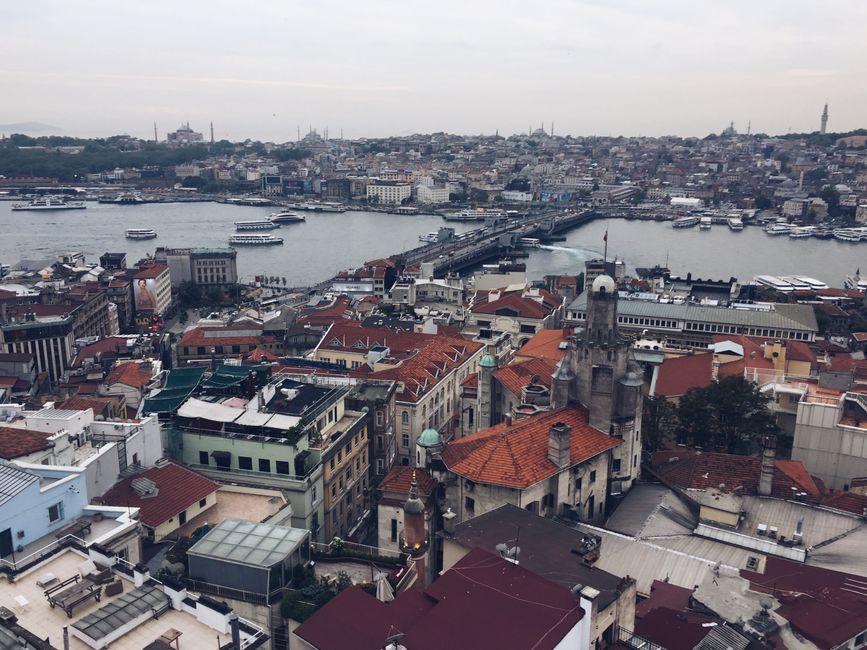
Istanbul residents are reporting stress levels that rival any megacity on earth — and this summer is making things worse. A 2025 survey by the Turkish Psychiatry Association found that 67 percent of urban dwellers in İstanbul cited chronic work-related stress as their primary mental health concern, up from 54 percent just three years earlier. With July temperatures now routinely breaching 36°C and commute times on the D-100 corridor averaging 74 minutes each way, the conditions for psychological burnout are well established.
The timing matters. Global heat records are shattering this northern hemisphere summer, and researchers have been clear for several years that elevated ambient temperature directly correlates with irritability, disrupted sleep, and worsened anxiety symptoms. For a city of 16 million people already contending with post-earthquake infrastructure stress and a cost-of-living squeeze, the mental health burden is not abstract — it is measurable, and it is growing.
Mindfulness has accumulated a credible research base since Jon Kabat-Zinn formalised Mindfulness-Based Stress Reduction (MBSR) at the University of Massachusetts in 1979. A 2023 meta-analysis in JAMA Internal Medicine — covering 19,000 participants across 202 trials — concluded that structured mindfulness programs produce moderate but consistent reductions in anxiety, depression, and pain. The key word is structured. Scrolling a wellness app for four minutes does not replicate eight weeks of 45-minute daily practice.
For Istanbul specifically, a handful of evidence-aligned interventions map cleanly onto existing local infrastructure. Green-space exercise is one. Research published in Environmental Health Perspectives in 2022 found that 20 minutes of walking in forested or waterside environments reduced cortisol levels by roughly 16 percent compared to matched urban walks. The 15-kilometre Bosphorus running path between Ortaköy and Arnavutköy offers exactly this kind of terrain — water to the left, cooler air off the strait, and near-zero car traffic. Belgrad Forest, 25 kilometres north of Taksim, is the city's other serious option: 5,500 hectares of oak and beech, with marked trails accessible by minibus from Sarıyer.
The hammam is not folklore medicine. Passive heat exposure — the kind delivered in a traditional Turkish bath — has been studied in the context of cardiovascular and autonomic nervous system regulation. A 2021 paper in Complementary Therapies in Medicine recorded significant reductions in self-reported anxiety scores after four weekly hammam sessions. Tarihi Galatasaray Hamamı on Turnacıbaşı Sokak in Beyoğlu has been operating since 1481; a full kese and massage runs approximately 850–1,100 TL depending on the day, roughly €25–€32 at current exchange rates.
Consistency defeats intensity every time, according to behavioral scientists at University College London who tracked habit formation across 96 participants in 2010 — the study that produced the now-widely-cited finding that new habits take an average of 66 days, not 21, to solidify. That means one ambitious wellness weekend achieves almost nothing. Three mornings a week of 20-minute Bosphorus walks, sustained through August, achieves quite a lot.
Tea culture is an underrated delivery mechanism for mindfulness practice. Turkey consumes more tea per capita than any other country — roughly 3.5 kilograms per person annually, according to the Turkish Tea Producers Association. Sitting with a glass of çay, without a screen, for ten deliberate minutes activates the same attentional reset that formal meditation protocols target. The Mado café terrace in Kadıköy, overlooking the ferry terminal, is one of hundreds of spots in the city built structurally for this kind of pause.
For anyone whose stress symptoms have escalated to persistent sleep disruption, appetite changes, or panic episodes, the Acıbadem Hospital network operates dedicated psychiatry and psychology clinics across fourteen Istanbul campuses, including its Maslak and Kadıköy locations. Initial consultations are covered under SGK for registered patients. Seeking an assessment is the starting point — everything else in this article is supplementary.
The research consensus is plain: exercise outdoors, regulate heat exposure strategically, build tiny rituals around attention, and get professional input early rather than late. Istanbul, inconveniently beautiful and relentlessly demanding, turns out to supply most of what that prescription requires.
How does this story make you feel?
Spread the word
About this article
Published by The Daily Istanbul
Daily brief
Free, in your inbox before 7am. Weekdays.
More in Wellness