The Science Behind Mindfulness: What It Actually Does to the Brain
Researchers are mapping the neurological changes that meditation produces — and Istanbul's growing wellness community is paying close attention.
Researchers are mapping the neurological changes that meditation produces — and Istanbul's growing wellness community is paying close attention.
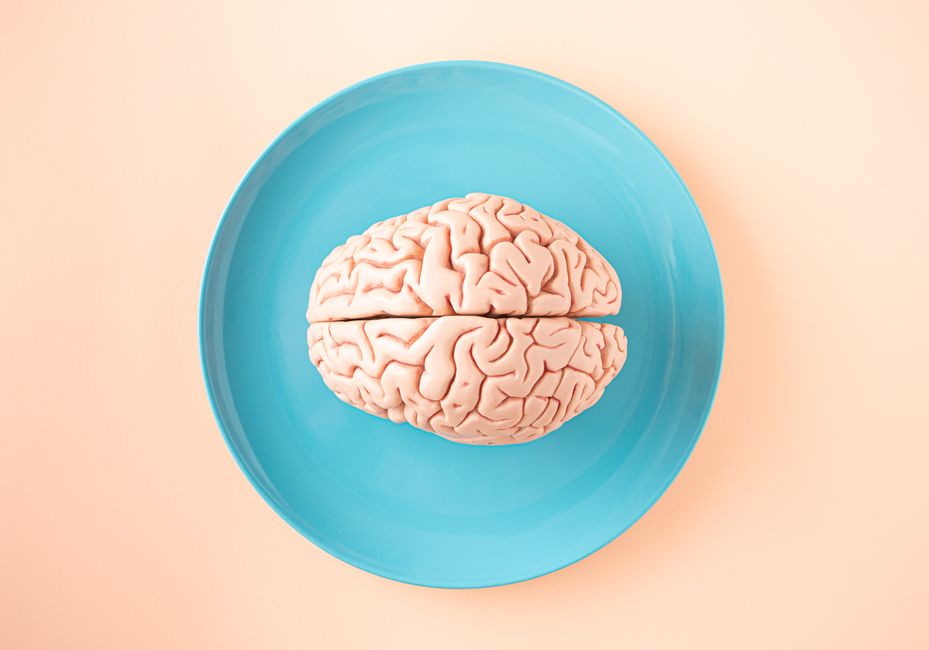
Mindfulness meditation physically reshapes the brain. That is not a wellness industry slogan — it is the conclusion of over two decades of peer-reviewed neuroscience, and it carries specific implications for anyone trying to manage the psychological weight of living in one of the world's most densely populated cities.
Istanbul's stress load is measurable. The city's average daily commute sits at roughly 96 minutes according to 2025 data from the Istanbul Metropolitan Municipality, among the longest in Europe. Add summer heat, economic pressure, and the ambient noise of 16 million people, and the case for a practical mental-health tool becomes difficult to ignore. Mindfulness — stripped of its commercial packaging — turns out to be exactly that.
The key studies come from Harvard Medical School and the Max Planck Institute, among others. An eight-week Mindfulness-Based Stress Reduction programme, the MBSR protocol developed by Jon Kabat-Zinn at the University of Massachusetts in 1979, produces measurable grey matter increases in the hippocampus, the region governing learning and emotional regulation. At the same time, grey matter density in the amygdala — the brain's threat-detection centre — decreases. Participants report feeling calmer not because they believe in the programme, but because the structure of their brain has changed.
The prefrontal cortex, which handles attention and decision-making, shows thickening after sustained practice. A 2011 study published in Psychiatry Research: Neuroimaging documented these changes in participants who averaged just 27 minutes of daily meditation over eight weeks. The finding matters because it means the threshold for neurological benefit is realistic, not monastic.
Cortisol — the primary stress hormone — also drops. Research from Carnegie Mellon University found a three-day intensive mindfulness retreat produced a 25 percent reduction in cortisol markers compared to a relaxation control group. For anyone managing chronic low-grade stress, that number is significant.
Istanbul's structured mindfulness offerings have grown considerably since 2022. The Marmara Wellness Centre in Nişantaşı runs certified MBSR courses in both Turkish and English, with eight-week programme fees currently sitting around 3,800 Turkish lira. The centre follows the same evidence-based curriculum validated in the neuroscience literature.
On the Asian side, the Kadıköy-based studio Farkındalık Merkezi — which translates directly as Mindfulness Centre — offers drop-in guided sessions on Moda Caddesi three evenings a week, at 150 lira per session. The format is secular and structured, not spiritual, which its instructors say matters to a significant portion of their clientele.
For those who prefer outdoor practice, the Belgrad Forest trails north of the city have become an informal backdrop for walking meditation groups, particularly on weekend mornings. The 5,500-hectare forest provides enough acoustic separation from the city to make focused breath-work genuinely viable. Several groups coordinate through Istanbul Running Club's broader community network, though dedicated meditation walks are a separate, smaller circuit.
The Bosphorus running path between Kuruçeşme and Arnavutköy also functions as a mindfulness corridor for early risers — the combination of physical movement and visual focus on the strait's water surface aligns with what neuroscientists describe as an attentional anchor, the mechanism that anchors the wandering default-mode network and produces the prefrontal strengthening noted in research.
Hammam culture, Istanbul's oldest wellness tradition, bears a structural resemblance to mindfulness practice that researchers in embodied cognition have begun examining. The enforced stillness, heat, and sensory simplicity of a session at a historic facility like Çemberlitaş Hamamı in Sultanahmet — operating continuously since 1584 — produces a physiological state consistent with parasympathetic nervous system activation, the same state targeted by formal meditation.
The practical entry point is low. The research suggests ten to fifteen minutes of daily practice using a simple breath-focus technique begins producing measurable effects within four weeks. Free guided sessions are available through the Turkish-language app Nefes, and Acibadem Hospital's integrative health unit at its Maslak branch has incorporated MBSR referrals into its stress-management pathway since early 2025. Anyone with specific health concerns should speak directly with a practitioner there before beginning a structured programme. The neuroscience is settled enough to act on — the question is simply whether you start today or keep postponing it.
How does this story make you feel?
Spread the word
About this article
Published by The Daily Istanbul
Daily brief
Free, in your inbox before 7am. Weekdays.
More in Wellness