wellness
Istanbul Walkers Transform Daily Commutes Into Powerful Mindfulness Practice
Forget the cushion and the incense, Istanbul's most powerful mindfulness tool may be a pair of shoes and the right route.
How we reported this
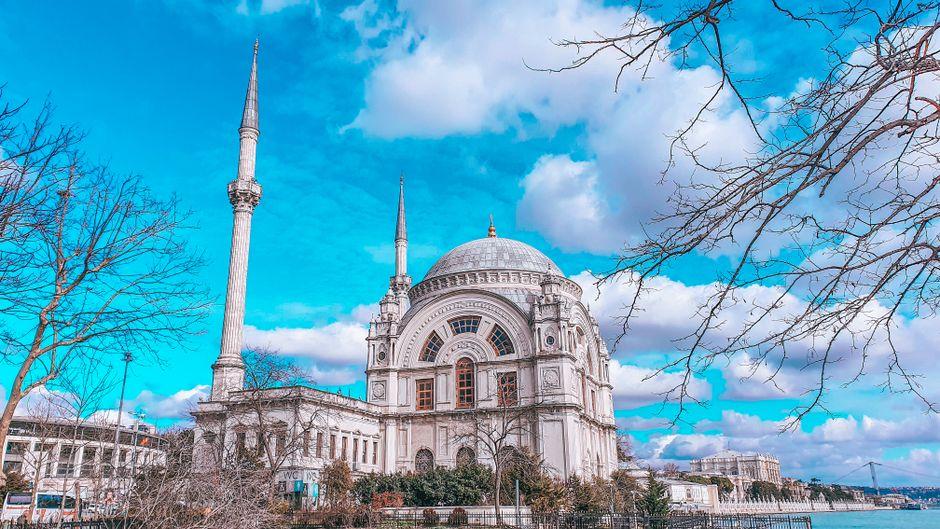
Most people who walk the Bosphorus shoreline path between Beşiktaş and Ortaköy are either training for a 10K or scrolling their phones. A growing number, however, are doing something stranger and quieter: they are walking with complete deliberate attention to each footfall, each breath, each shift of bodyweight, and wellness practitioners across Istanbul say the practice is gaining serious traction.
Walking meditation, rooted in Buddhist kinhin and Theravada traditions, but now stripped of religious framing by secular mindfulness programmes, is not new. What is new is that urban fatigue, post-pandemic anxiety that has lingered well into 2026, and the sheer difficulty of affording a yoga studio membership during a period of sustained inflation are pushing Istanbullus toward free, outdoor alternatives. A drop-in mindfulness class at a private wellness centre in Nişantaşı can run 600 to 900 Turkish lira per session. The Bosphorus path costs nothing.
Why This City Is Built for the Practice
Istanbul's geography does most of the heavy lifting. The 7-kilometre coastal promenade stretching from Kabataş ferry terminal north toward Bebek offers a rare urban luxury: a mostly flat, car-free surface with a consistent sensory anchor, the water. Practitioners and instructors at Mindful Istanbul, a secular meditation group that has been meeting monthly in Cihangir since 2019, specifically recommend this stretch for beginners because the sound of the strait provides a natural metronome for breath-paced walking.
Belgrad Ormanı, the Belgrade Forest covering roughly 5,500 hectares on Istanbul's European edge, is the other obvious venue. The forest's marked trails, some dating to Ottoman-era water infrastructure, offer soft earth underfoot, which many practitioners prefer to concrete. The tactile difference matters: neurological research published in Frontiers in Psychology in 2023 found that walking on natural terrain activated sensory attention more reliably than urban hard surfaces, making it structurally easier to stay present. The forest is reachable by bus from Sarıyer in under 40 minutes.
The technique itself is disarmingly simple. Slow the pace to roughly half your normal walking speed. Fix your gaze loosely at the ground about two metres ahead, not down at your feet, not up at your phone. With each step, notice the heel making contact, the weight rolling forward, the toes pushing off. Breathe naturally. When attention drifts to a grocery list or a work grievance, and it will, within about 90 seconds for most beginners, note the distraction without judgment and return to the physical sensation of the step. That return, practitioners emphasise, is the practice. Not the uninterrupted focus.
What the Evidence Actually Says
The research base is more solid than wellness trends usually deserve. A 2019 study from Chiang Mai University in Thailand, which tested walking meditation against conventional walking and seated meditation across 45 participants, found that the walking group showed a 16 percent greater reduction in cortisol levels after eight weeks compared to the conventional walkers. A separate 2022 meta-analysis in JAMA Internal Medicine, reviewing 27 randomised trials, confirmed that mindfulness-based movement interventions, including walking, produced clinically meaningful reductions in symptoms of anxiety and mild depression.
Acibadem Hospital's integrative medicine unit in Maslak has included walking-based mindfulness in its cardiac rehabilitation outpatient programme since 2024, a recognition that the practice has moved beyond lifestyle trend into clinical utility. Patients there are typically advised to start with ten-minute sessions and extend gradually over four weeks. Anyone with an existing health condition should, before beginning any new physical or breathwork practice, check with a physician, Acibadem and Istanbul's public Şişli Etfal Training and Research Hospital both offer relevant outpatient consultations.
For those starting independently, the practical advice is three-fold. First, pick a route with a fixed sensory anchor: the Bosphorus, Belgrad's pine canopy, even the tulip-lined paths of Emirgan Park in spring. Second, leave the earbuds at home, the whole point is the unmediated sensory experience of moving through space. Third, start short. Ten minutes of genuine attention beats forty minutes of distracted trudging. Istanbul gave its residents one of the world's great walking cities. It turns out that was also, all along, a meditation hall without walls.