Walking Meditation: How to Turn Your Daily Walk Into Mindfulness
You don't need a cushion or a studio — Istanbul's paths, forests and shorelines are already doing half the work.
You don't need a cushion or a studio — Istanbul's paths, forests and shorelines are already doing half the work.
Most Istanbullus walk between 8,000 and 12,000 steps a day just getting around the city, according to fitness tracking data aggregated by the Turkish Health Ministry in its 2025 urban activity report. Almost none of them are paying attention while doing it. That gap — between movement and awareness — is exactly what walking meditation is designed to close.
Interest in structured mindfulness has accelerated sharply across Turkey since 2023, when the Turkish Psychological Association reported a 34 percent rise in outpatient referrals for stress and anxiety in Istanbul alone. Practitioners and wellness researchers say the timing matters: economic uncertainty, the aftershocks of the February 2023 earthquakes on the national psyche, and a housing market that has pushed younger residents into longer commutes have all compounded urban stress. People are already walking. The question is whether they're getting anything out of it beyond the calories burned.
Walking meditation asks for something deceptively simple: full, deliberate attention to the physical act of moving. That means the sensation of your foot lifting, the shift of weight, the moment of contact with the ground. Breath follows rhythm. The mind, instead of rehearsing tomorrow's meeting or scrolling through an imaginary argument, anchors itself to what the body is actually doing right now. It sounds almost embarrassingly basic. Neuroimaging studies published in the journal Frontiers in Human Neuroscience in 2024 found that just 20 minutes of slow, attentive walking produced measurable reductions in cortisol markers comparable to a seated mindfulness session of equivalent length.
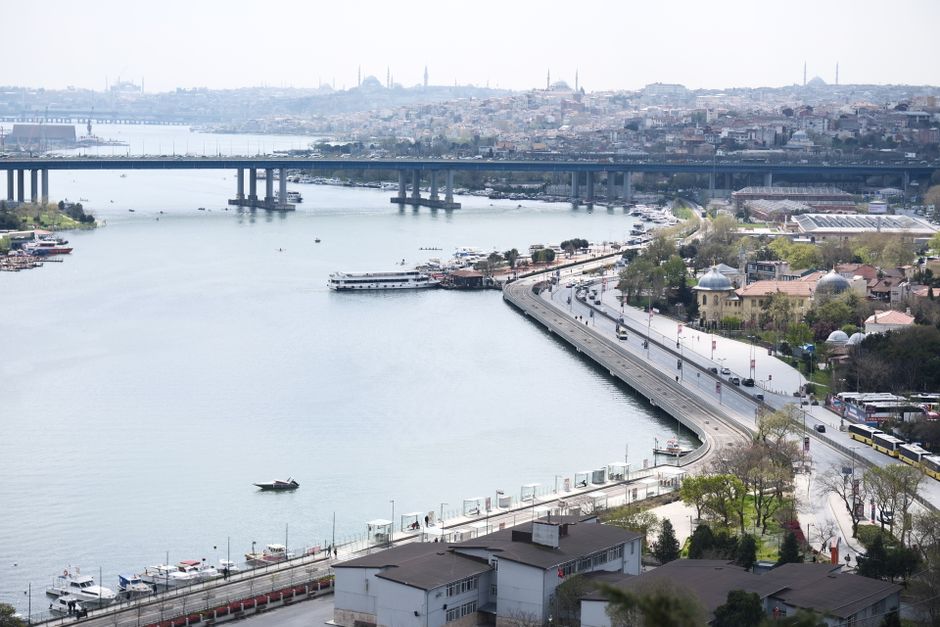
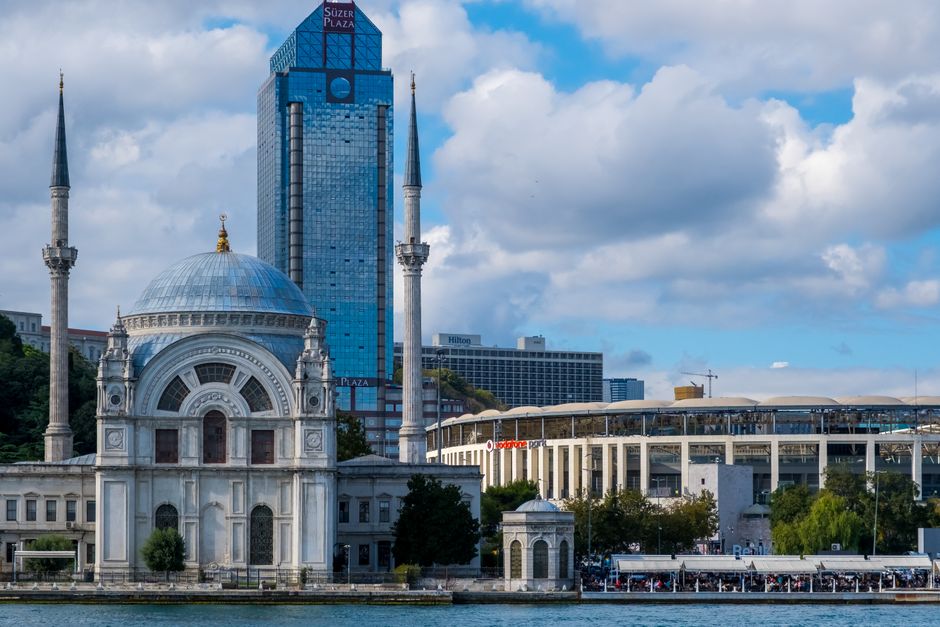
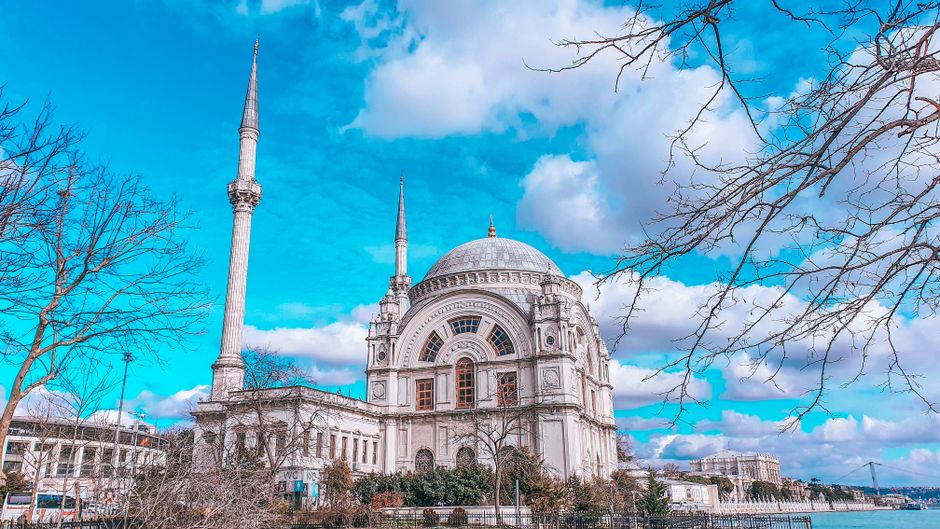
The city offers terrain that almost forces presence. The Bosphorus running path between Kuruçeşme and Bebek is one of the most practically useful stretches for beginners — the water on your left, the hum of the strait's traffic as an auditory anchor, the path wide enough that you can slow down without blocking cyclists. Walk it at 7am on a weekday and the crowds are thin enough that you can actually hear your own footfall. The 14-kilometre coastal strip takes most people between 90 minutes and two hours at a deliberate pace.
Belgrad Ormanı, the forest reserve roughly 25 kilometres north of the city centre in the Sarıyer district, is the other obvious option. The Büyükbent picnic area serves as the most accessible entry point from the TEM highway. Tree canopy research published by Istanbul Technical University's landscape architecture faculty in 2024 confirmed what anyone who has walked there already knows: phytoncides released by the forest's oak and beech trees measurably lower heart rate and blood pressure within 15 minutes of exposure. The Japanese call the practice shinrin-yoku — forest bathing — and Belgrad Ormanı is one of the few places in the metro area where you can do a version of it without driving to Bursa.
For those who prefer something more structured, the Istanbul Mindfulness Center on Ergenekon Caddesi in Şişli runs a six-week walking meditation course starting each September. The fee for the 2025 autumn cohort was 3,200 Turkish lira for the full programme. Several participants described the neighbourhood streets around Bomonti and Kurtuluş as the classroom — deliberately unglamorous, which is partly the point. You learn to find stillness in ordinary movement, not just in designated beautiful places.
Wellness educators who teach this method consistently recommend the same starting framework. First, leave your phone in your pocket for the first ten minutes — not on silent, in your pocket, screen down. Second, set a pace that is noticeably slower than your usual stride, roughly 20 percent reduced. Third, pick a single physical sensation to track — breath, foot contact, or the movement of your arms — and return to it every time your mind wanders. That return, each time, is the practice. It doesn't need to be serene to be working.
The hammam tradition that Istanbullus have maintained for centuries is built on a similar logic: deliberate, unhurried attention to the body in a specific physical environment. Walking meditation is, in some ways, just that same instinct taken outdoors. If you want guidance before committing to a course, Acıbadem Healthcare Group's wellness clinics in Maslak and Kadıköy both offer initial consultations with physiotherapists who incorporate movement-based mindfulness into rehabilitation programmes — a reasonable first conversation if you have existing joint or mobility concerns. For everyone else, the path along the Bosphorus is free, and it opens at dawn.
How does this story make you feel?
Spread the word
About this article
Published by The Daily Istanbul
Daily brief
Free, in your inbox before 7am. Weekdays.
More in Wellness