A Beginner's Guide to Starting a Meditation Practice in Istanbul
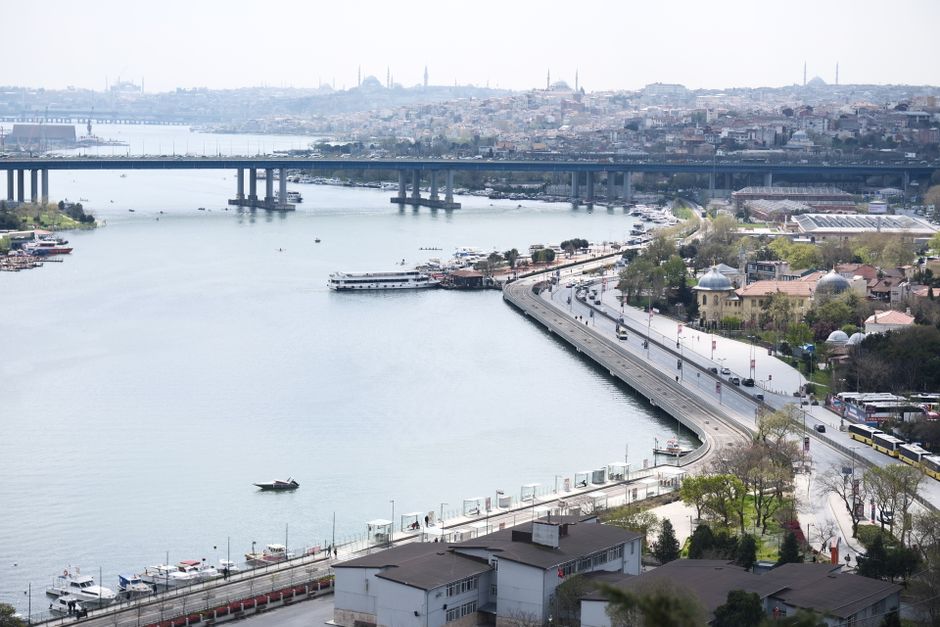
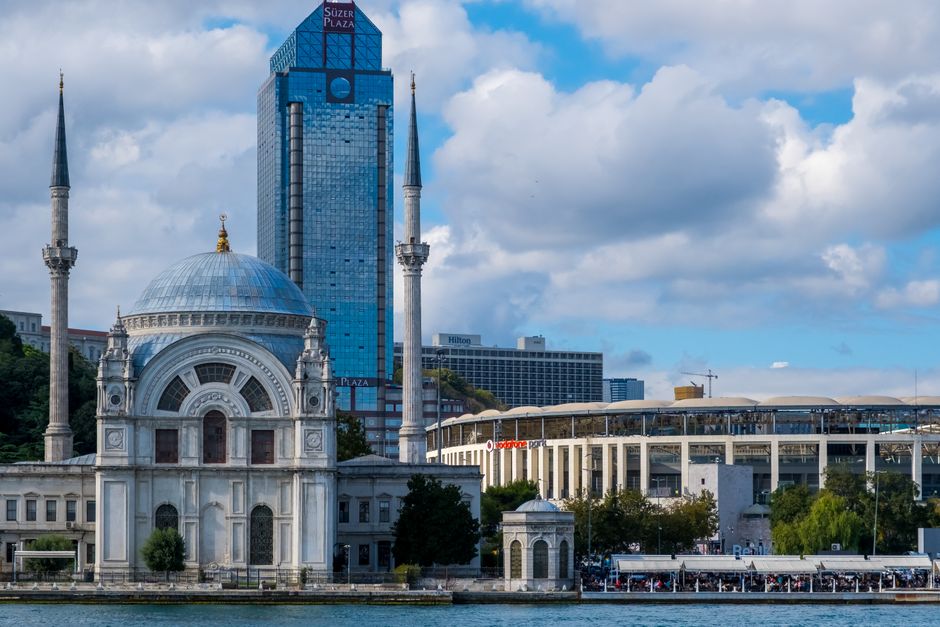
From the shores of the Bosphorus to the quiet corners of Beyoğlu, Istanbul offers more entry points into mindfulness than most residents realise.
From the shores of the Bosphorus to the quiet corners of Beyoğlu, Istanbul offers more entry points into mindfulness than most residents realise.
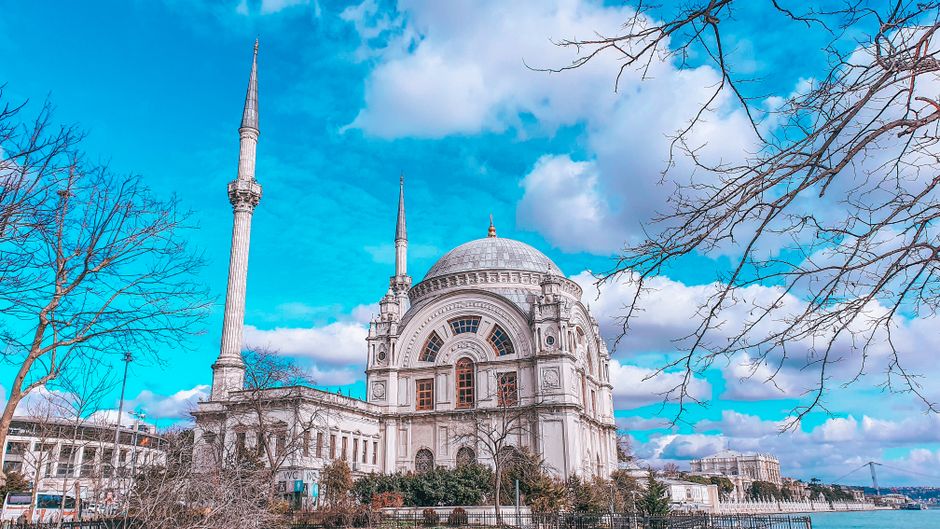
More Istanbullus are sitting still on purpose. Enrollment in structured meditation programs across the city rose roughly 40 percent between 2023 and 2025, according to figures compiled by the Istanbul Wellness Practitioners Association, a trade body representing yoga studios, licensed therapists and holistic health centres. The numbers reflect a wider shift: after years of treating stress as a badge of honour, a growing slice of the city's working population is looking for something quieter.
The timing is not accidental. Urban noise levels in Istanbul consistently rank among the highest of any European or Eurasian city — the municipality's own 2024 environmental report measured average daytime decibel readings above 75 dB along İstiklal Caddesi and the E-5 motorway corridor. That same report linked prolonged noise exposure to elevated cortisol and disrupted sleep. Against that backdrop, the appeal of ten minutes of structured silence is less a luxury than a logical response.
Starting a meditation practice does not require a studio, a cushion, or a particular belief system. The evidence-backed entry point for most beginners is breath-focused attention: sit comfortably, close your eyes, and count ten slow exhales before your thoughts drag you somewhere else. When they do — and they will — you simply return. That is the practice. Everything else is elaboration.
For those who want structure, Istanbul has genuine options. Nefes Yoga ve Meditasyon, based in Cihangir on Akarsu Caddesi, runs a dedicated eight-week beginner's course modelled loosely on the Mindfulness-Based Stress Reduction format developed at the University of Massachusetts in 1979. Sessions run on Tuesday and Thursday evenings; the current fee is 3,200 Turkish lira for the full programme. Separately, the Zorlu PSM wellness annex in Beşiktaş hosts monthly drop-in meditation mornings, typically free of charge with advance registration through their website.
The city itself can serve as the practice space. The Bosphorus running path between Kuruçeşme and Arnavutköy is one of the few stretches of central Istanbul where traffic noise drops to a manageable level before 7 a.m. Walking meditation — slow, deliberate, attention anchored to the sensation of each footstep — translates well here. Belgrad Forest in the Sarıyer district, about 25 kilometres north of Taksim, offers a longer option: the marked trail system covers more than 30 kilometres of pine woodland, and the forest administration keeps the main paths open from 8 a.m. daily.
A 2023 meta-analysis published in JAMA Internal Medicine examined 47 randomised controlled trials and found that mindfulness meditation produced moderate but consistent reductions in anxiety, depression and pain scores compared to control groups. The effect sizes were not dramatic — this is not a cure — but they were reproducible across different populations and settings. Eight weeks appears to be the threshold at which measurable changes in self-reported stress become reliable.
Istanbul already has a cultural analogue worth borrowing from. The hammam tradition, practised for centuries at historic bathhouses including Çemberlitaş Hamamı near the Grand Bazaar and Kılıç Ali Paşa Hamamı in Tophane, is structurally similar to a formal relaxation protocol: deliberate heat, enforced stillness, a prescribed sequence that removes the option of checking your phone. Regular hammam visitors report effects that overlap significantly with those documented in meditation research. Combining a weekly hammam visit with a five-minute breathing practice before entering the steam room costs almost nothing extra and doubles the exposure to deliberate calm.
Begin small. Three minutes every morning for two weeks before extending to ten. Use a free app such as Insight Timer, which as of mid-2026 carries a full Turkish-language meditation library at no cost. If physical symptoms — persistent insomnia, anxiety that interferes with daily function, unexplained fatigue — are driving the interest in mindfulness, a conversation with a practitioner at Acıbadem Hastanesi's integrative medicine unit in Kadıköy is a sensible first step before treating meditation as a standalone solution. The practice works best alongside professional care, not instead of it.
How does this story make you feel?
Spread the word
About this article
Published by The Daily Istanbul
Daily brief
Free, in your inbox before 7am. Weekdays.
More in Wellness