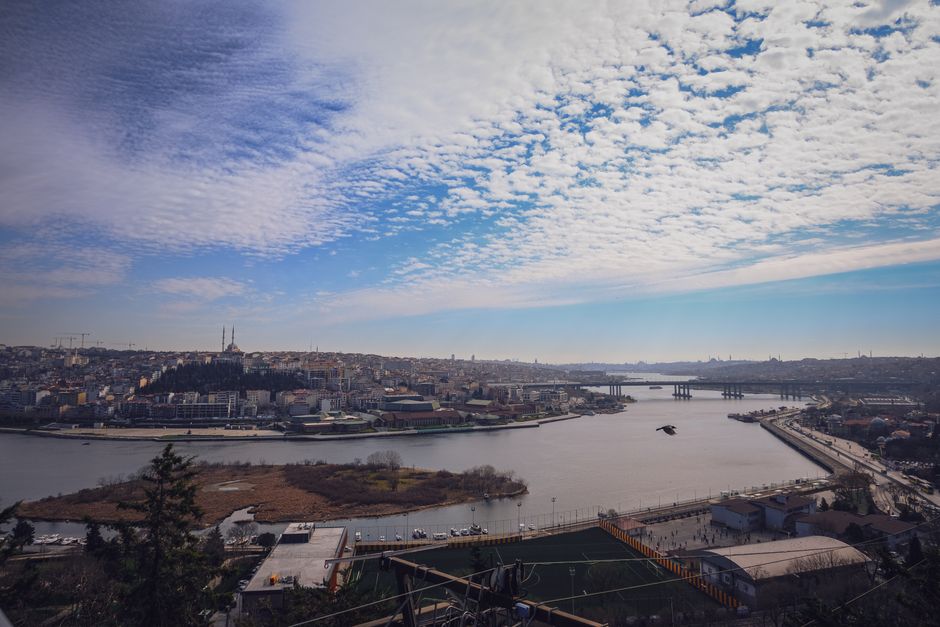
Walk along the Bosphorus running path at dawn, and you'll spot a pattern the global wellness industry is only now catching up with: Istanbul's 65-plus demographic moving with purpose. Yet the city's approach to active ageing differs markedly from the tech-forward, gym-centric model dominating North American and Northern European markets.
International wellness reports consistently highlight that structured fitness programs reduce fall risk and preserve mobility in older adults by 30–40%. The global market for senior-focused fitness has grown 12% annually since 2020, driven largely by app-based coaching and wearable technology. But in Istanbul, the uptake tells a different story. According to a 2024 Acibadem Healthcare Group survey, only 18% of Istanbul residents over 60 use fitness apps, while 67% prefer group-based, low-impact activities held in community spaces.
This preference aligns with Istanbul's deeply rooted social wellness traditions. The daily hammam ritual—still practised by roughly half the city's senior population—combines thermal therapy with gentle movement and social connection. Meanwhile, guided walks through Belgrad Forest, organised informally through neighbourhood groups in Bebek, Ortaköy, and Eyüp, cost virtually nothing and build both physical and social capital simultaneously.
The contrast with Western markets is instructive. Global ageing-wellness companies market mobility solutions as individualistic pursuits: personal trainers, home gym equipment, solitary running. Istanbul's seniors, by contrast, embed movement within existing cultural and social rituals. A morning tea gathering in Balat becomes a walking meeting. A visit to the hammam in Sultanahmet combines heat therapy with low-resistance exercise.
Yet this traditional model faces pressure. Urban development around popular walking routes—including sections of the European-side Bosphorus path—has disrupted established routines. Meanwhile, younger seniors (60–70) increasingly adopt global wellness trends: boutique fitness classes in Nişantaşı, yoga studios in Cihangir, and rehabilitation-focused physiotherapy centres now proliferate in affluent neighbourhoods.
The real opportunity lies in synthesis. Istanbul's seniors demonstrate what research increasingly validates: community-embedded, culturally coherent movement practices yield stronger long-term adherence than isolated gym memberships. Yet integration with modern sports medicine—available through Acibadem's senior mobility clinics—could sharpen outcomes further.
For older Istanbullus, active ageing isn't a trend to adopt. It's a rediscovery of patterns their grandparents knew: movement embedded in daily life, social bonds, and time-honoured spaces. The global wellness industry, by contrast, is only now learning what the city's morning walkers have always understood.
This article was compiled by AI from the sources linked above and screened before publishing. See our editorial standards.