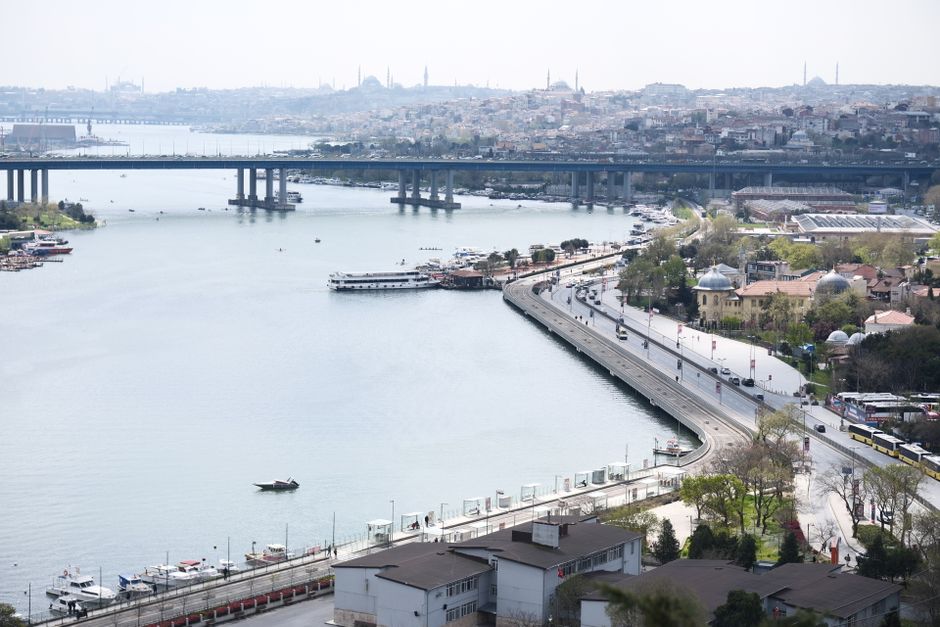
Walk through Cihangir on a Tuesday evening and you'll notice something that would have seemed unlikely a decade ago: studio windows advertising vinyasa flows and guided meditation sessions. Istanbul's yoga scene, once confined to private apartments and niche wellness circles, has emerged as a tangible cultural movement—though it remains distinctly understated compared to the wellness fervour gripping Western capitals.
The global yoga market exceeded $88 billion in 2024, driven by subscription-based apps and boutique studio chains. Istanbul hasn't seen that explosion. Yet studios like those clustered around Galata and Bebek now serve hundreds of practitioners weekly, with monthly memberships typically ranging from 800 to 1,500 Turkish lira—positioning yoga as an aspirational but accessible wellness choice for Istanbul's growing middle class. This contrasts sharply with London or Los Angeles, where premium studios charge three times that amount.
What's distinctly Istanbul about this trend is how yoga integrates with existing local wellness traditions rather than displacing them. The hammam ritual—a cornerstone of Turkish self-care for centuries—shares yoga's emphasis on deliberate rest and body awareness. Many practitioners visit both: a hammam session in Cemberlitas followed by evening meditation in Nisantasi. The Turkish tea culture, with its slow, social rhythm, aligns naturally with mindfulness principles that Western wellness influencers package as revolutionary.
Research from Istanbul's Acibadem Healthcare Group indicates that stress-related conditions have driven approximately 34 percent of primary care visits over the past three years. This mirrors global trends but with local specificity: Istanbul's notorious traffic congestion and rapid urbanisation create particular pressures on residents' nervous systems. Yoga and meditation appeal precisely because they address these accumulated tensions without pharmaceutical intervention.
Yet uptake remains measured. While running culture has exploded—the Bosphorus path and Belgrad Forest trails now attract thousands weekly—yoga studios still feel like deliberate discoveries rather than ubiquitous wellness infrastructure. Class sizes typically cap at 15 participants, reflecting both studio constraints and a preference for intimate practice that feels more authentic than the crowded group fitness model.
The distinction matters. Istanbul's adoption of yoga and meditation doesn't mirror the commodified, Instagram-optimised wellness narrative dominant globally. Instead, it represents a genuine cultural convergence: ancient Eastern practices finding natural resonance in a city where contemplative traditions—Sufi mysticism, tea ceremonies, hammam philosophy—have always held weight. The trend is real, but it's distinctly local.
This article was compiled by AI from the sources linked above and screened before publishing. See our editorial standards.