Global wellness markets are booming around active ageing. Investment in senior-focused fitness programmes reached $18 billion worldwide in 2025, with countries like Japan and Scandinavia embedding mobility training into public health systems. Yet in Istanbul, where nearly 9% of the population is over 65, uptake remains fragmented and largely informal.
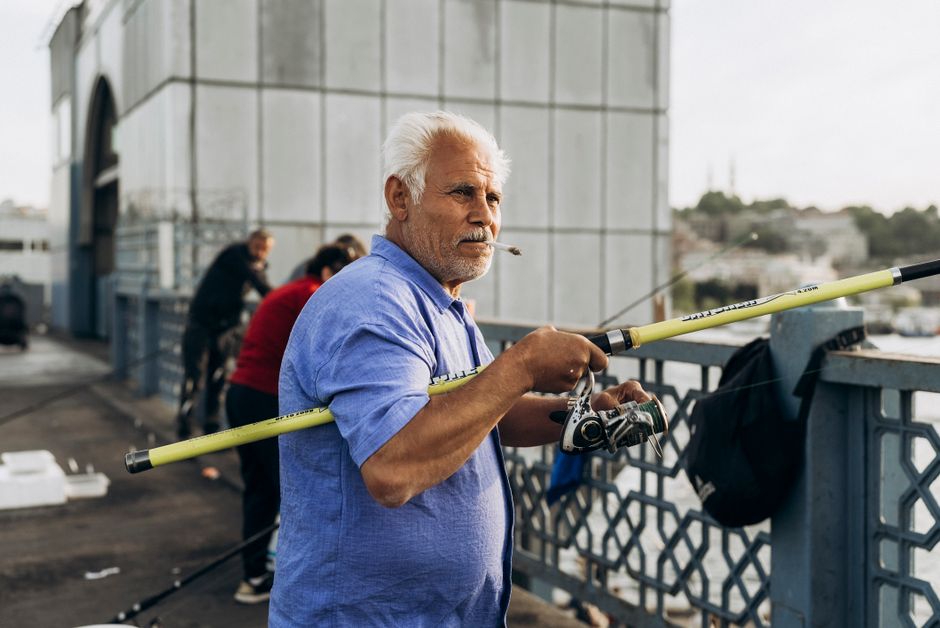
The contrast is striking. In Copenhagen, municipal councils fund free joint-protection exercise classes; in Singapore, age-friendly urban design is mandatory. Istanbul's Acibadem hospital network and smaller clinics offer physiotherapy, but structured, affordable, community-based mobility programmes remain sparse. Most seniors rely on informal walking—the early-morning crowds along the Bosphorus running path in Ortaköy and Beşiktaş are testament to this—rather than evidence-based exercise regimens.
Cost is a barrier. A monthly gym membership targeting seniors typically runs 400–600 Turkish lira, steep for pensioners earning around 10,000 lira monthly. By contrast, Nordic countries embed such programmes into social insurance. Istanbul's hammam tradition—a centuries-old wellness anchor—remains largely disconnected from modern mobility science, though the thermal and social benefits are undeniable.
Yet local conditions favour change. Belgrad Forest's accessible trails, the relatively compact Sultanahmet neighbourhood, and Istanbul's café culture create natural gathering spaces. The municipality's recent pedestrianisation of certain areas in Cihangir and Galata hints at age-inclusive urban thinking. Some private physiotherapy centres near Nişantaşı and Etiler now offer small-group mobility classes, though visibility is low.
International research shows structured programmes—combining balance training, strength work, and flexibility—reduce fall risk by 30–40% in adults over 65. Turkey's public health messaging rarely emphasises this. The Turkish Geriatrics Society and Acibadem's gerontology units are raising awareness, but campaigns don't match those in Western Europe or East Asia.
The gap isn't inevitable. Istanbul's walkability, social cohesion, and emerging wellness infrastructure could support a local active-ageing movement. Neighbourhood health centres could pilot low-cost mobility classes. The hammam tradition could integrate modern exercise science. Community organisations in Fatih and Eyüp could partner with physiotherapists to serve underserved populations.
Globally, the trend is clear: proactive mobility in later life reduces hospital admissions, improves mental health, and sustains independence. Istanbul's seniors deserve the same evidence-based support. Until local systems catch up with international standards, the responsibility falls to individuals and informal networks—a wellness gap that policy and investment can narrow.
For personalised advice on senior mobility and exercise, consult a registered physiotherapist or your local Acibadem or state hospital network.
This article was compiled by AI from the sources linked above and screened before publishing. See our editorial standards.