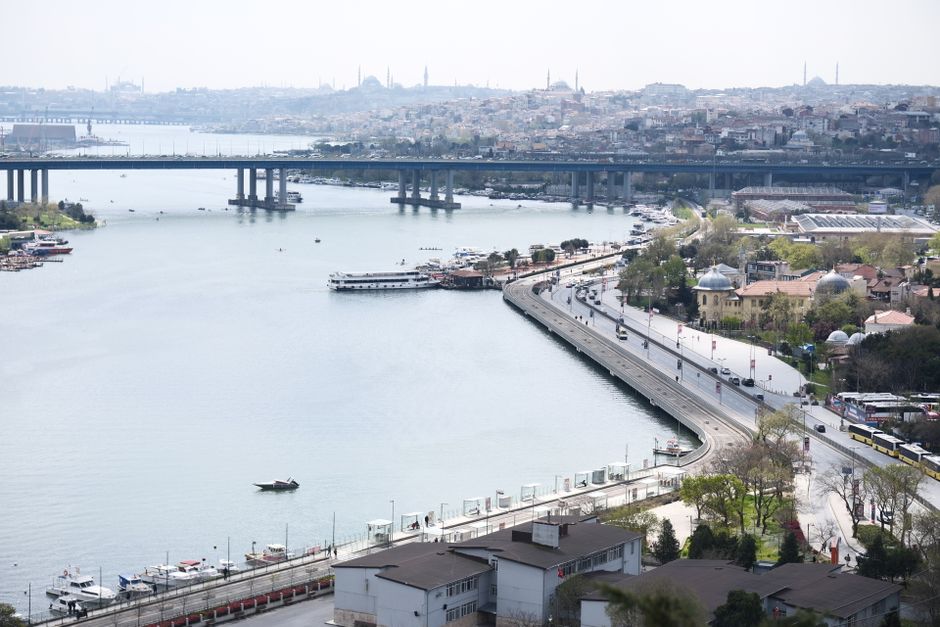
On any Saturday morning, the waterfront path stretching from Ortaköy toward Bebek fills with a demographic rarely associated with high-intensity wellness culture: people in their sixties, seventies, and beyond. Some walk briskly; others jog. A few pause at designated stretching stations that have sprouted along the route in recent years. What was once a niche pursuit has become a visible trend reshaping how Istanbul approaches ageing and movement.
The shift reflects broader global wellness patterns, but Istanbul's particular geography and culture are shaping how active ageing takes hold here. The city's natural infrastructure—the Bosphorus shoreline, the wooded trails of Belgrad Forest near Sarıyer, the gentle slopes of Pierre Loti in Eyüp—offers accessible terrain for varying fitness levels. Community organisations have noticed. Acibadem Hospital's wellness division has expanded its over-60s mobility programmes, while neighbourhood associations across Beşiktaş and Üsküdar now sponsor weekly group walks that combine movement with Istanbul's cherished social rituals: stopping for tea at a local kahvehane, gathering at a hammam.
The hammam tradition itself is experiencing a wellness renaissance among older Istanbulites. Historically a social cornerstone, bathhouses like those in Çemberlitaş and Cağaloğlu are marketing their heat therapy and muscle relaxation benefits to active-ageing demographics, positioning the weekly visit not as indulgence but as mobility maintenance.
What makes this trend distinctly Istanbul is how it weaves movement into existing cultural practices rather than imposing external fitness models. Group hikes organised by local guides depart from Belgrad Forest's main entrance most weekends, attracting participants aged 55 to 80. Walking clubs meet at Taksim Square and traverse the backstreets of Balat, combining gentle cardio with cultural exploration. The social element—the conversation, the shared purpose—appears to be as important as the physical activity itself.
Healthcare professionals have taken note. Several practitioners across the city now emphasise that mobility and joint health in older age require consistency over intensity, a message that resonates with Istanbul's pace-of-life philosophy. Consulting with local practitioners about personalised mobility plans remains essential; what works for one person navigating Istanbul's hills and cobblestone streets may differ for another.
For a city historically defined by its ability to bridge continents, this active-ageing movement represents another kind of bridge: between traditional notions of retirement as withdrawal and a newer vision of later life as a period of continued exploration, movement, and community engagement. Along the Bosphorus, in Belgrad Forest, and in the neighbourhood tea gardens, that bridge is being walked daily.
This article was compiled by AI from the sources linked above and screened before publishing. See our editorial standards.