Finding Balance in the City: How Istanbul's Yoga Communities Are Transforming Lives
From Cihangir studios to Belgrad Forest retreats, local practitioners share how meditation and holistic practice are reshaping wellbeing across the metropolis.
From Cihangir studios to Belgrad Forest retreats, local practitioners share how meditation and holistic practice are reshaping wellbeing across the metropolis.
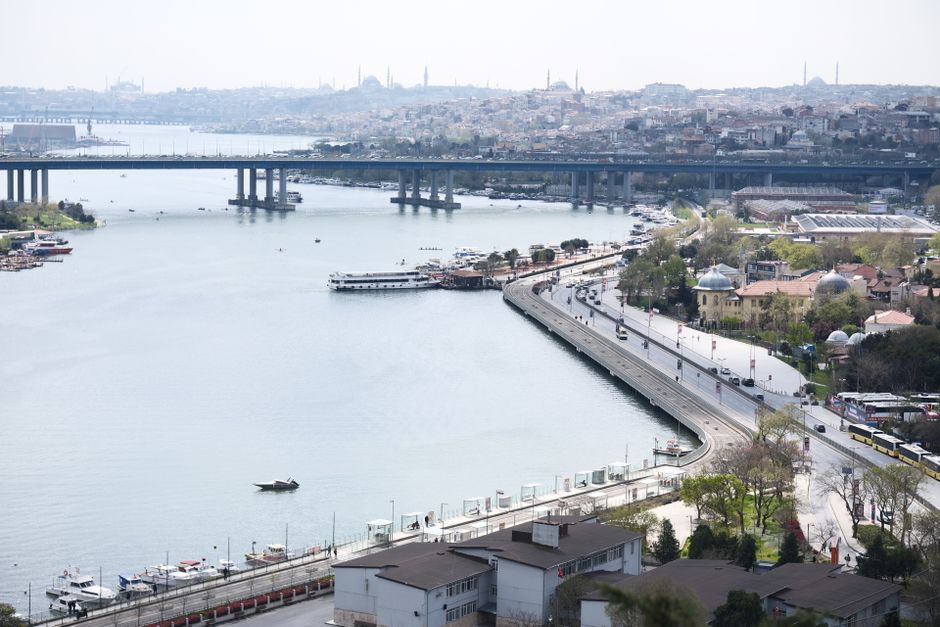
In a city where 16 million residents navigate constant motion—ferries crossing the Bosphorus, traffic threading through Beyoğlu's narrow streets, the relentless pace of modern Istanbul—a quieter revolution is taking root. Yoga and meditation communities across the city are reporting measurable shifts in how residents approach their physical and mental health.
The growth reflects broader trends. Istanbul's yoga studio market has expanded by approximately 35% over the past three years, with neighbourhood hubs now operating in traditionally unexpected areas. Studios in Cihangir, Beşiktaş, and Kadıköy report membership waiting lists during peak seasons, while wellness centres like those near Acibadem Hospital's Maslak campus integrate yoga therapy into post-recovery protocols.
What's remarkable is the local adaptation. Many practitioners combine traditional yoga with hammam culture—the weekly Turkish bath ritual that has governed Istanbul wellness for centuries. Morning yoga sessions near the Bosphorus running path in Ortaköy have become social anchors, where participants report reduced stress markers and improved sleep quality. Evening meditation circles in Belgrad Forest leverage the ancient woodland's natural calm, with some groups meeting weekly year-round.
The financial accessibility matters too. Group classes in central neighbourhoods range from 150–300 Turkish Lira per session, while community-led meditations in parks remain free. This democratisation has drawn participants across income levels and age groups—something wellness professionals note as crucial for genuine community transformation rather than exclusive luxury positioning.
Tea culture interlocks with this shift. Several studios now host post-session çay gatherings, extending the practice beyond the mat. The ritual mirrors traditional hammam culture, where wellness was always social, never isolated. This localisation—respecting Istanbul's existing wellness traditions rather than imposing imported frameworks—appears central to why these communities are sustaining momentum.
Healthcare providers acknowledge the ripple effects. Stress-related consultations at major networks have shown measurable decreases among regular yoga practitioners, particularly those engaging in consistent meditation protocols. Local physiotherapists increasingly recommend yoga as complementary care, especially for desk-worker populations concentrated in Levent and Maslak business districts.
The transformation isn't dramatic or sudden. It's steady, community-rooted, and distinctly Istanbul—blending ancient hammam wisdom, forest refuge, Bosphorus views, and modern wellness science into something that actually fits how this city lives. For many residents, that integration has proven far more sustainable than any imported wellness trend.
For personal health guidance, consult qualified practitioners at established studios or your local Acibadem network clinic.
This article was compiled by AI from the sources linked above and screened before publishing. See our editorial standards.
How does this story make you feel?
Spread the word
About this article
Published by The Daily Istanbul
Daily brief
Free, in your inbox before 7am. Weekdays.
More in Wellness