Istanbul's Quiet Revolution: How Mindfulness is Reshaping the City's Stress Culture
From Beşiktaş yoga studios to Belgrad Forest meditation circles, Istanbul's wellness scene is embracing ancient practices alongside modern mental health awareness.
From Beşiktaş yoga studios to Belgrad Forest meditation circles, Istanbul's wellness scene is embracing ancient practices alongside modern mental health awareness.
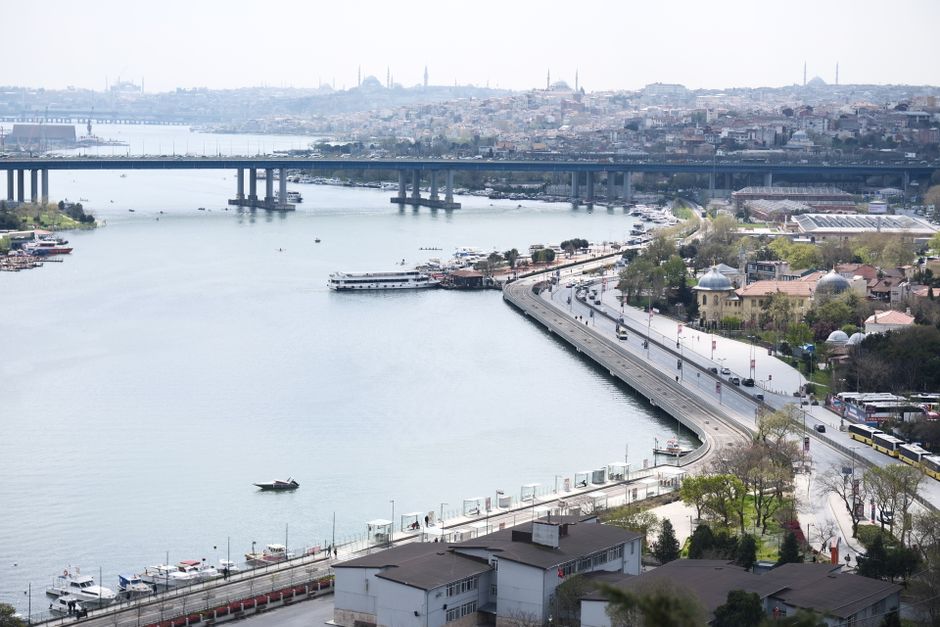
Walk through Cihangir on any given morning, and you'll notice a shift in the city's rhythm. What once was dominated by the urgent honk of traffic and the rush of commuters now shares space with something quieter: the soft patter of running shoes along the Bosphorus path, the muffled chanting from newly opened meditation centres, and conversations about mental wellness that were unthinkable in Istanbul just five years ago.
The mindfulness movement has arrived in Turkey's largest city with unmistakable force. Mental health clinics across the Acibadem hospital network report a 34% increase in stress management consultations over the past two years, while meditation apps have seen downloads surge among Istanbul's 15 million residents. What's driving this shift isn't just global wellness trends—it's a city finally addressing the cumulative toll of chronic urban stress.
The infrastructure is visible everywhere. Nişantaşı now hosts at least seven dedicated yoga and mindfulness studios, with membership fees ranging from 1,200 to 2,500 Turkish Lira monthly. Belgrad Forest, the green lung northwest of the city, has become an unlikely wellness hub, with guided meditation walks and outdoor breathing circles drawing hundreds weekly. Even the hammam tradition—Istanbul's centuries-old thermal bathing culture—is being repackaged as mindfulness practice, with establishments in Sultanahmet marketing their services explicitly as stress-relief experiences.
But perhaps the most telling sign is how workplace wellness has infiltrated corporate Istanbul. Companies in the Levent and Maslak business districts now routinely offer meditation breaks and mental health days, recognising that burnout culture is incompatible with productivity. Local gyms have replaced high-intensity interval training with dedicated mindfulness zones.
Tea culture, already woven into Istanbul's social fabric, is being reframed through a wellness lens. Social media shows young Istanbulites deliberately slowing down, turning their çay breaks into intentional moments of pause rather than mere caffeine consumption.
Therapists and wellness practitioners attribute this timing to post-pandemic reflection. After years of disruption, Istanbul's residents—particularly those aged 25-45 in professional roles—are questioning productivity-obsessed lifestyles and seeking sustainable alternatives.
Dr. Mehmet Kaptan, a psychologist at one of Istanbul's leading mental wellness centres, notes that the trend reflects a maturation in how the city addresses psychological health. "People are no longer viewing stress management as luxury," he observes. "It's becoming preventative medicine."
Whether through a solo run along the Bosphorus, a session in Beşiktaş, or simply a mindful cup of tea in Galata, Istanbul is discovering that the antidote to the city's relentless pace might simply be slowing down.
This article was compiled by AI from the sources linked above and screened before publishing. See our editorial standards.
How does this story make you feel?
Spread the word
About this article
Published by The Daily Istanbul
Daily brief
Free, in your inbox before 7am. Weekdays.
More in Wellness