Istanbul's Sleep Solution: The Daily Habits Locals Swear By
From early morning Bosphorus walks to evening tea rituals, residents across the city have built routines that work—and sleep scientists say they're onto something.
From early morning Bosphorus walks to evening tea rituals, residents across the city have built routines that work—and sleep scientists say they're onto something.
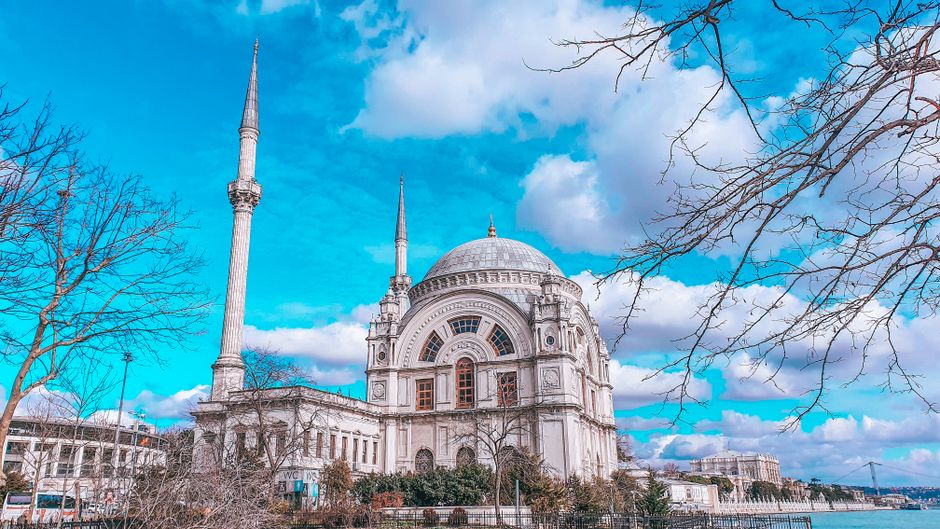
Sleep deprivation has become almost a badge of honor in Istanbul's fast-paced neighbourhoods like Şişli and Beşiktaş, where late-night work culture and social commitments often extend past midnight. Yet a growing number of locals are quietly rejecting this pattern by adopting surprisingly simple daily habits that have transformed their rest quality.
The pattern emerges across the city in different forms. In Bebek, where morning joggers line the Bosphorus running path by 6 a.m., residents cite consistent sunrise activity as their most effective sleep aid. "Moving your body when cortisol naturally rises helps regulate your entire circadian rhythm," explains the logic many runners and walkers follow—a principle supported by sleep research, though individual results vary. The practice costs nothing and has become particularly popular among professionals working irregular hours near Levent's business district.
Evening routines show equally local flavours. The Turkish tea culture, traditionally central to social life, has evolved into a structured wind-down practice for many households. Rather than the midday çay gatherings that fuel work conversations, sleep-conscious locals are moving their final tea to 6 p.m.—a transition that allows caffeine to clear the system by bedtime. Family-run çay bahçesi in Balat now report regulars shifting their evening visits earlier specifically to protect sleep.
Belgrad Forest hikers have discovered afternoon trail walks offer dual benefits: fresh air exposure and distance from screens during the critical hours before sleep. A 90-minute walk among the forest's ancient trees, typically undertaken between 4–6 p.m., has become standard among residents seeking natural fatigue without medication.
Room temperature control emerges as another practical habit. Istanbul's humid summers create particular challenges, yet locals near Kadıköy and Moda have adopted affordable solutions: timing air conditioning startup to one hour before bed, and maintaining 18–20°C throughout the night—temperatures aligned with sleep science recommendations.
Hammam visits, the city's traditional wellness ritual, are being reframed for sleep benefit rather than social occasions. Evening sessions at smaller, quieter bathhouses—rather than the tourist-heavy venues—allow the body's temperature drop post-hammam to trigger natural sleep onset.
What unites these approaches isn't novelty but accessibility. Istanbul residents have essentially revived pre-modern living patterns—sunrise activity, early evening meals, cooler nights—that their grandparents practiced by necessity. Modern sleep science now validates what the city's daily rhythms once naturally enforced. For those struggling with rest quality, consulting a local sleep specialist through Acibadem hospital network can provide personalized guidance beyond general lifestyle adjustments.
This article was compiled by AI from the sources linked above and screened before publishing. See our editorial standards.
How does this story make you feel?
Spread the word
About this article
Published by The Daily Istanbul
Daily brief
Free, in your inbox before 7am. Weekdays.
More in Wellness