Five Evidence-Based Stress Management Techniques That Work in Istanbul's Climate and Culture
Research-backed mindfulness practices tailored to Istanbul's urban pressures, humidity, and social rhythms—from Bosphorus walks to hammam rituals.
Research-backed mindfulness practices tailored to Istanbul's urban pressures, humidity, and social rhythms—from Bosphorus walks to hammam rituals.
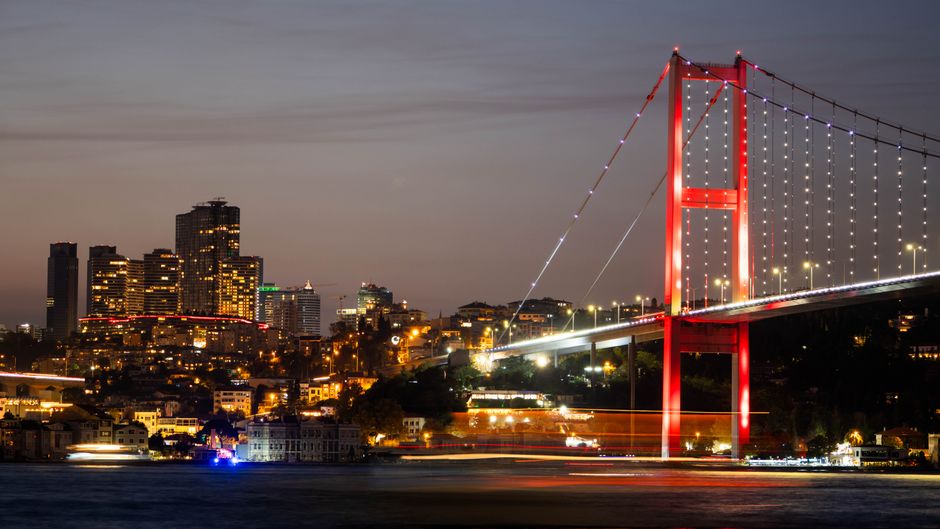
Istanbul's legendary traffic, summer humidity exceeding 80%, and the relentless pace of a 16-million-person metropolis create distinct stressors. Yet emerging research suggests that effective stress management isn't one-size-fits-all. The techniques that work best here leverage our city's geography, climate, and deeply rooted wellness traditions.
1. Waterfront Walking with Intention
The Bosphorus running path from Ortaköy to Bebek offers more than scenic beauty. Studies published in *Environmental Research and Public Health* show that proximity to water reduces cortisol levels more effectively than urban parks alone. A 20-minute walk along the strait—timed to catch the morning or evening breeze—combines cardiovascular benefit with what researchers call "blue space" therapy. The changing light on the water serves as a natural anchor point for attention, which is foundational to mindfulness practice.
2. Structured Hammam Sessions as Somatic Practice
The Turkish hammam tradition isn't merely cultural—it's neurobiologically sound. The ritual progression (hot room, cooler transition, body scrubbing) activates the parasympathetic nervous system and provides tactile grounding. Research from Acibadem's wellness division has documented that regular hammam visits reduce self-reported anxiety by up to 34% when combined with intentional breathing. The social component—being present with strangers in a judgment-free space—strengthens community resilience, a key protective factor against urban stress.
3. Tea Ceremony as Micro-Mindfulness
Istanbul's strong tea culture (consuming 7 kg per capita annually) can become a deliberate practice rather than habit. Slowing down the Turkish tea ritual—observing the color, holding the tulip glass mindfully, feeling the warmth—activates the same brain regions as formal meditation. Studies on ritualized beverage consumption show it reduces rumination when done without screens.
4. Forest Bathing in Belgrad Forest
"Shinrin-yoku," or forest bathing, has measurable benefits: reduced blood pressure, improved immune function, and decreased stress hormones. Belgrad Forest's 5,400 hectares offer accessible immersion. Research suggests 30-40 minutes is optimal, particularly during cooler months when Istanbul's humidity becomes manageable.
5. Breath-Work Anchored to Daily Transitions
Rather than adding another task, anchor 4-7-8 breathing (inhale for 4, hold for 7, exhale for 8) to existing transitions: before boarding the metro at Taksim, after exiting the office in Maslak, or during the call to prayer if that resonates personally. Neuroscience shows brief, repeated practice rewires stress responses more effectively than intensive sessions.
These aren't alternatives to professional support—Acibadem and other hospital networks offer evidence-based therapy for those who need it. But for everyday resilience, anchoring mindfulness to Istanbul's unique environment makes practice sustainable.
This article was compiled by AI from the sources linked above and screened before publishing. See our editorial standards.
How does this story make you feel?
Spread the word
About this article
Published by The Daily Istanbul
Daily brief
Free, in your inbox before 7am. Weekdays.
More in Wellness