From Baklavahane to Balance: How Istanbul's Neighbourhoods Are Rewriting Food Stories
Across Beyoğlu, Kadıköy and beyond, residents are discovering that neighbourhood-rooted eating traditions—not restrictive diets—hold the key to lasting wellness.
Across Beyoğlu, Kadıköy and beyond, residents are discovering that neighbourhood-rooted eating traditions—not restrictive diets—hold the key to lasting wellness.
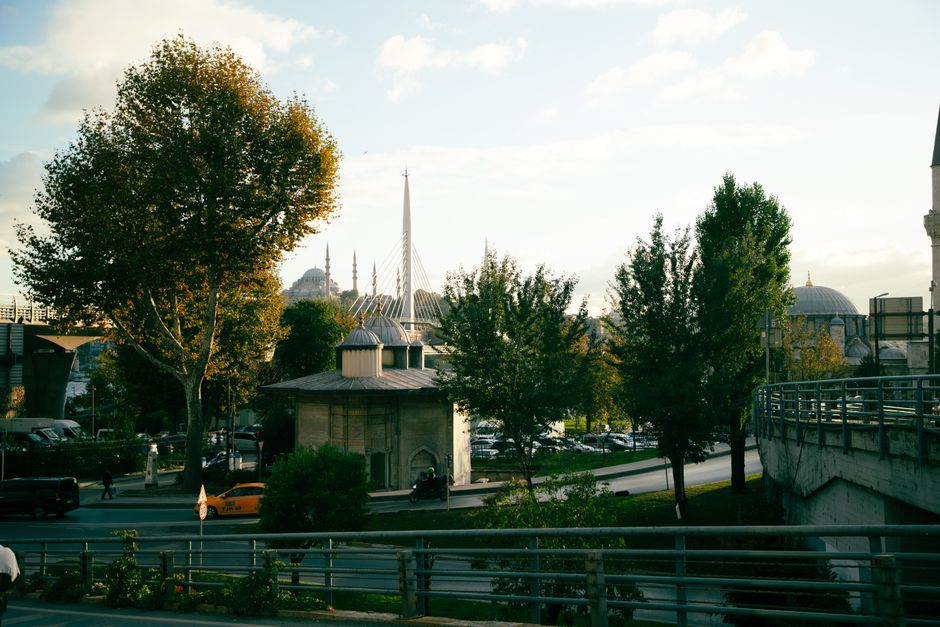
Walk through the early morning energy of Kadıköy's waterfront produce markets and you'll notice a shift. Shoppers linger longer at vendor stalls, asking questions about seasonal varieties and farming practices. It's a quiet revolution happening across Istanbul's neighbourhoods, where residents are reclaiming connection to local food systems as a pathway to better health.
The transformation isn't about imported superfoods or trendy elimination diets. Instead, Istanbul's communities are rediscovering what their grandmothers knew: seasonal eating aligned with what grows in nearby regions—from the cherry orchards of the Black Sea to the olive groves of the Marmara hinterland—creates natural nutritional rhythm. Nutritionists working with community health centres across Acibadem's network note that residents who build meals around weekly market visits and traditional preparation methods report sustained energy improvements without the cognitive load of calorie counting.
In Beyoğlu's narrow lanes, small cooperatives have emerged where residents share knowledge about fermented foods—turnips, cabbage, and traditional kaymak—recognizing what food science now confirms: fermented vegetables support digestive wellness. Meanwhile, Belgrad Forest hiking groups have started pairing their weekend outings with foraging education, learning to identify wild greens and herbs that traditionally featured in Turkish cuisine.
The tea culture that defines Istanbul social life has become surprisingly central to this shift. Rather than viewing it as mere ritual, communities are recognizing that the practice of slowing down with strong black tea, shared with neighbours on Galata Bridge or in Balat's quieter quarters, creates natural portion control and mindfulness around eating patterns. Studies suggest this social pacing reduces snacking behaviours associated with processed foods increasingly accessible in convenience stores.
Price matters too. A kilogram of seasonal tomatoes at Kadıköy markets costs roughly 15-25 Turkish lira—comparable to packaged alternatives—making neighbourhoods where direct farmer access exists economically viable alternatives to processed food dependencies. Community gardens in Şişli and Bakırköy have expanded waiting lists, with residents discovering that growing even a small herb collection reconnects them to food's origins.
What emerges across these stories is neither perfectionism nor rejection of modern life. Instead, Istanbul's residents are finding that health transformation anchors itself in place: knowing vendors by name, understanding seasonal rhythms, and building meals from what's genuinely available nearby. It's a reminder that sustainable wellness doesn't require exotic solutions—sometimes it requires simply paying attention to what your own neighbourhood has always offered.
This article was compiled by AI from the sources linked above and screened before publishing. See our editorial standards.
How does this story make you feel?
Spread the word
About this article
Published by The Daily Istanbul
Daily brief
Free, in your inbox before 7am. Weekdays.
More in Wellness