Yoga and Meditation in Istanbul: Evidence-Based Tips That Actually Work for Local Conditions
From humidity-friendly practice schedules to leveraging Istanbul's natural spaces, here's what the science says about making mindfulness stick in the city.
From humidity-friendly practice schedules to leveraging Istanbul's natural spaces, here's what the science says about making mindfulness stick in the city.
Istanbul's climate presents unique challenges for establishing a consistent yoga and meditation practice. With summer temperatures regularly exceeding 30°C and humidity levels that can reach 80%, the traditional approach of heated studios or intensive sessions demands adjustment. Recent wellness research suggests that frequency trumps duration in building sustainable habits—a finding that aligns perfectly with Istanbul's rhythm.
The evidence is clear: shorter, consistent sessions outperform sporadic intensive practice. For Istanbul residents, this means a 15-minute morning meditation at home or in Belgrad Forest beats a weekly 90-minute class you'll skip when the Marmara humidity peaks. Studies from the Journal of Affective Disorders show that regular micro-practices reduce cortisol levels more effectively than occasional longer sessions. Consider timing your practice for early morning—before 8 a.m.—when temperatures remain manageable and air quality in areas like Beşiktaş and Ortaköy is superior.
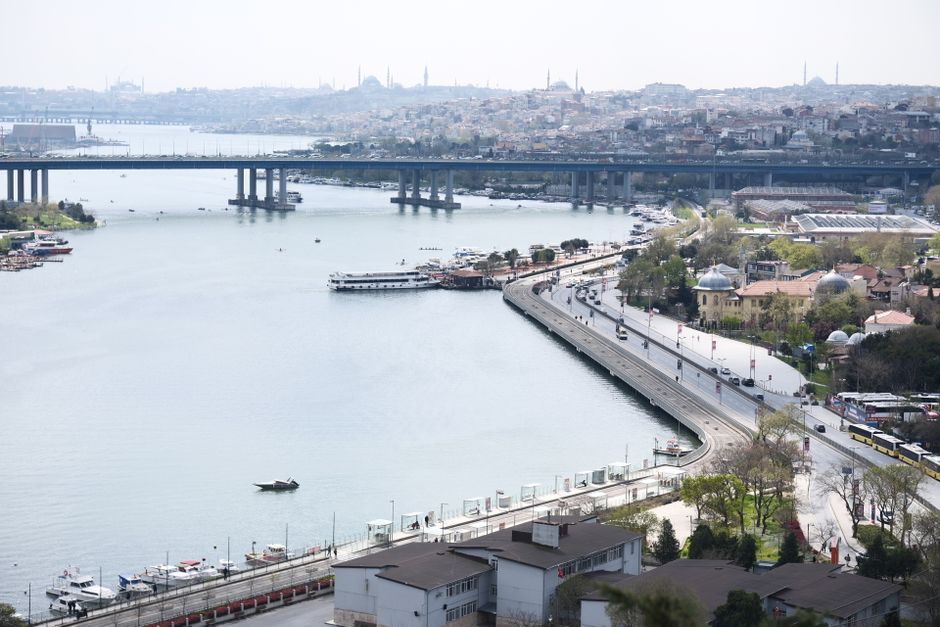
The Bosphorus running path doubles as a meditation-friendly zone. Walking meditation while observing the water—a practice grounded in Buddhist tradition—activates the parasympathetic nervous system differently than seated practice alone. Research published in Frontiers in Psychology demonstrates that nature-integrated mindfulness increases perceived wellbeing by 23% compared to indoor-only protocols. Istanbul's waterfront geography is an underutilised asset.
Local studio culture has expanded significantly. The Turkish Yoga Federation reports over 400 registered instructors across the city, with sessions ranging from ₺150–400 per class. However, apps like Insight Timer and Calm offer evidence-based guided meditations at lower cost (approximately ₺30–50 monthly), making accessibility less dependent on neighbourhood proximity or studio schedules.
Consider integrating Istanbul's hammam tradition with post-practice recovery. The contrast between hot steam and cool water immersion—combined with the social stillness hammams cultivate—complements yoga's neurological benefits. Many hammams near Fatih and Beyoğlu offer private sessions ideal for this purpose.
Humidity management matters more here than in temperate climates. Choose cotton yoga clothes, invest in a moisture-wicking mat, and practice near windows or outdoors when possible. Dehydration undermines meditation's cognitive benefits, so hydrate consistently—and yes, Turkish tea counts, though water remains superior pre-practice.
The evidence-based truth: consistency in Istanbul's conditions beats perfection. Work with your environment, not against it. Start with 10 minutes daily rather than chasing Instagram-worthy sessions. Your nervous system will thank you.
This article was compiled by AI from the sources linked above and screened before publishing. See our editorial standards.
How does this story make you feel?
Spread the word
About this article
Published by The Daily Istanbul
Daily brief
Free, in your inbox before 7am. Weekdays.
More in Wellness