Walk through Balat on a Thursday morning and you'll witness a quiet revolution happening in kitchens and markets across Istanbul's tightly knit neighbourhoods. While wellness trends often feel imported and expensive, residents here are finding that sustainable health changes emerge from something far more accessible: understanding what's already in their community's food systems.
The shift began appearing noticeably around 2024, according to nutritionists working with local health centres in Fatih and Beyoğlu. Many residents were reassessing their relationships with traditional foods—not abandoning them, but approaching them with intention. Turkish breakfast staples like beyaz peynir (white cheese), olives, and fresh tomatoes were being recognised not as indulgences but as nutritional anchors. Meanwhile, the daily çay ritual, deeply embedded in Istanbul's social fabric, remained central to wellness routines rather than becoming something to eliminate.
Community health initiatives have accelerated this shift. Neighbourhood associations in Kadıköy and Cihangir began organising seasonal visits to local producers—farms in Belgrat Forest's periphery, cooperatives near Fatih's traditional spice markets. These weren't formal programmes; they were conversations happening at neighbourhood bakeries and over tea, where people shared what they'd discovered about sourcing vegetables from the weekly pazar (market) versus packaged alternatives.
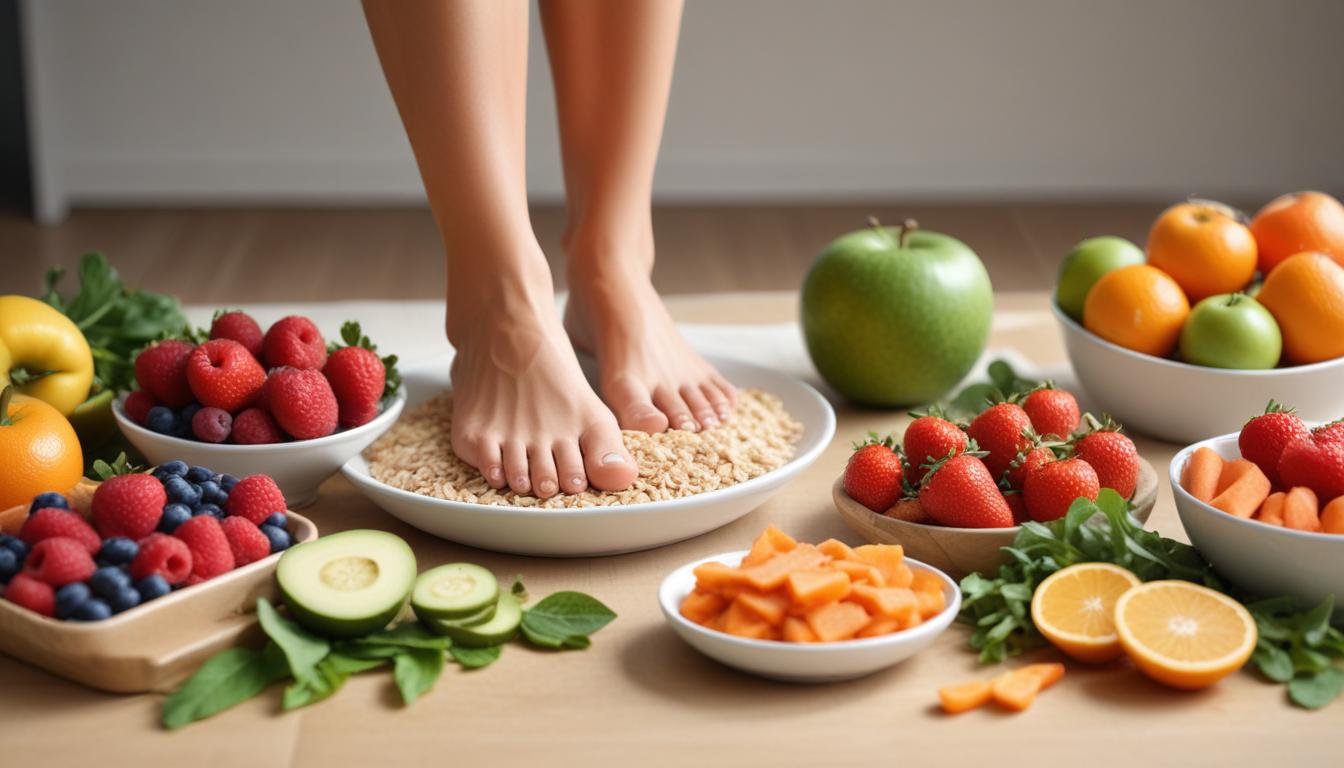
The economics matter too. Fresh produce at Istanbul's neighbourhood markets—çilek (strawberries) for 35-50 lira per kilogram in season, greens for under 20 lira—remains significantly cheaper than processed options. This accessibility meant that health transformations weren't exclusively available to those shopping at premium retailers. People working standard hours could afford the ingredients themselves.
What distinguishes these community-driven changes from typical health interventions is their resistance to perfectionism. There's no elimination of traditional Turkish cuisine—instead, residents are learning portion awareness, understanding when to prioritise pulses and vegetables, and how to use the region's abundant herbs (mint, parsley, dill) as nutritional tools rather than garnish. The hammam tradition, centuries-old in Turkish culture, has been reframed by some as integral to wellness routines alongside dietary changes, emphasising holistic approaches rooted in local practice.
These transformations unfold slowly, without fanfare. They happen in conversations between neighbours, during visits to the market, and in small adjustments to family meals. For Istanbul's diverse communities—from students in Beyoğlu to families in Fatih—the most sustainable wellness changes aren't those imported from elsewhere. They're the ones built from within, using the neighbourhood's own resources and traditions as the foundation.
This article was compiled by AI from the sources linked above and screened before publishing. See our editorial standards.