Istanbul's Sleep Revolution: How the City is Finally Learning to Rest
From Beyoğlu wellness studios to Bosphorus bedtime rituals, Istanbul's residents are embracing sleep science—and local entrepreneurs are cashing in.
From Beyoğlu wellness studios to Bosphorus bedtime rituals, Istanbul's residents are embracing sleep science—and local entrepreneurs are cashing in.
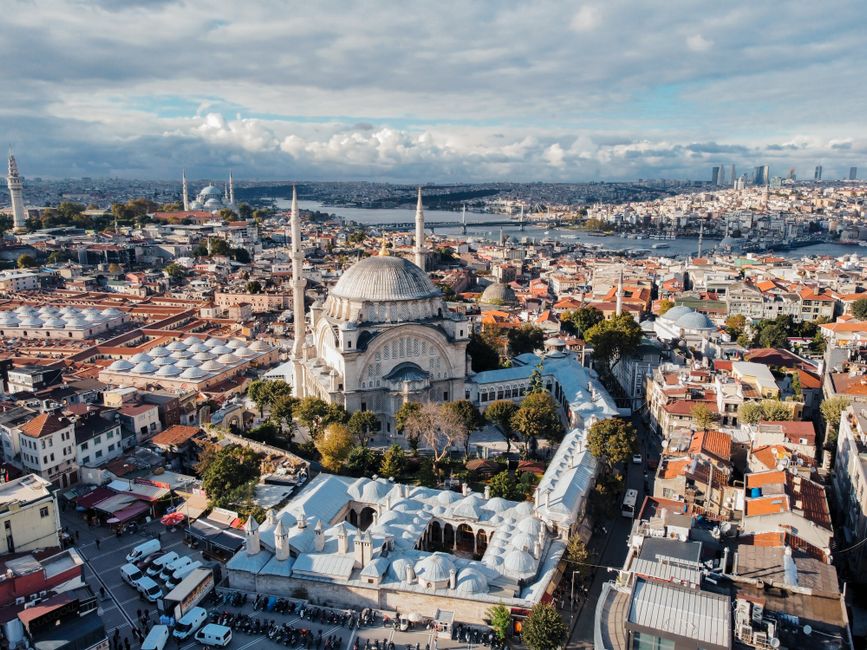
Three years ago, sleep wellness was barely on Istanbul's radar. Today, it's everywhere. The shift is visible in Nişantaşı's growing cluster of sleep clinics, the queues outside new-age hammam spas in Ortaköy offering 'sleep preparation' treatments, and the explosion of wellness apps downloaded across Turkey's largest city.
The change reflects a broader global conversation about rest, but Istanbul's adoption has particular urgency. The city's notorious traffic congestion, sprawling commutes from suburbs like Bahçeşehir to the European side, and the relentless pace of business districts around Maslak mean sleep deprivation has long been normalized here. Recent surveys suggest Istanbul residents average 6.2 hours nightly—below the World Health Organization's recommended seven to nine.
The wellness industry has noticed. Acibadem Hospital network's sleep medicine department reports a 40% increase in consultations over the past eighteen months. Meanwhile, boutique venues are reimagining how locals think about rest. Studios along İstiklal Avenue now offer sound-bath sessions and circadian rhythm workshops. Traditional hammam culture—long a social pillar—is being reframed through a sleep-hygiene lens, with Cağaloğlu's century-old bathhouses marketing post-visit relaxation as preparation for better sleep.
Local entrepreneurs are capitalizing on this momentum. Turkish tea culture, already woven into daily life, is being repositioned: herbal blends from Spice Bazaar vendors now emphasize sleep-promoting ingredients like chamomile and linden, marketed explicitly for evening routines. Prices for specialized wellness teas have risen from 15 lira to 40-50 lira per serving in premium venues.
The outdoor wellness movement is also shifting. Belgrad Forest hiking groups, traditionally morning-focused, now organize sunset walks specifically timed to support natural melatonin production. Bosphorus running paths see increased evening traffic as residents build wind-down routines into their commutes home.
Experts suggest this trend reflects post-pandemic recalibration. Years of lockdown disrupted sleep patterns citywide, but also prompted reflection on what wellness actually means. Unlike fitness trends that emphasize performance, sleep wellness centers rest itself as the achievement.
For Istanbul's perpetually busy residents, the message is refreshingly simple: in a city that never sleeps, choosing to prioritize sleep has become its own form of rebellion—and increasingly, a marker of status.
This article was compiled by AI from the sources linked above and screened before publishing. See our editorial standards.
How does this story make you feel?
Spread the word
About this article
Published by The Daily Istanbul
Daily brief
Free, in your inbox before 7am. Weekdays.
More in Wellness