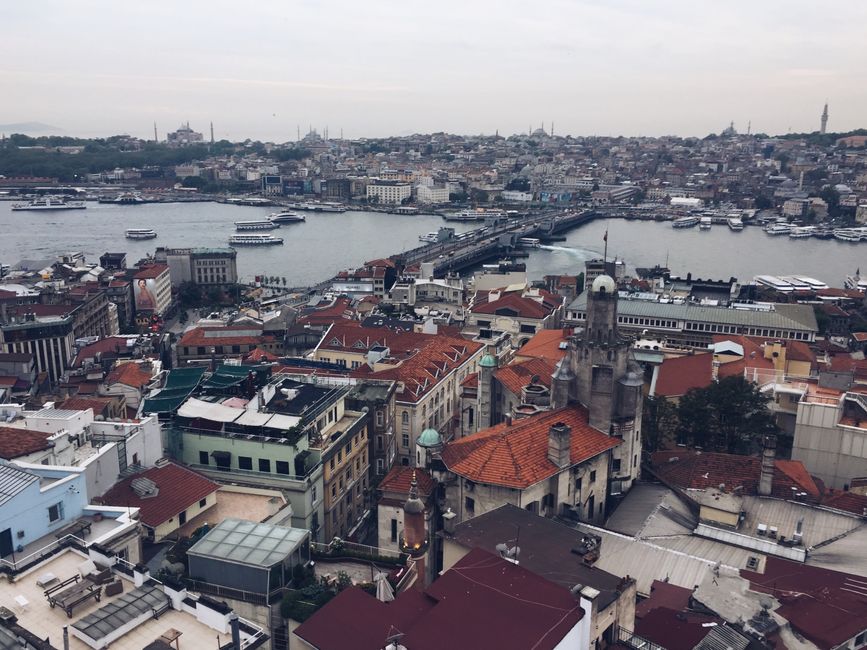
Walk through the renovated warehouses of Beyoğlu or the glass-fronted office parks clustered around Maslak, and you'll encounter a startup ecosystem that defies the usual geography of venture capital. Istanbul has raised $2.1 billion in tech funding over the past three years—a figure that masks something more significant: the city's strategic position as a crossroads for capital and talent flowing between Europe, the Middle East, and Asia.
What distinguishes Istanbul's ecosystem from other emerging tech hubs isn't just the money. It's the vantage point. While startups in Southeast Asia tap regional growth, and those in Eastern Europe chase European markets, Istanbul-based founders operate at the intersection of three major economic zones. A fintech startup headquartered in a Cihangir co-working space can simultaneously serve Turkish users, expand into Middle Eastern markets where regulatory frameworks often mirror Istanbul's own, and maintain European compliance standards for institutional clients.
The numbers reflect this. According to recent Startup Genome reports, Istanbul's average Series A round sits around $8-12 million—notably efficient compared to US benchmarks—while founder-to-population ratios suggest a density of entrepreneurial activity approaching that of Berlin or Barcelona. Yet rents in Beyoğlu or Şişli remain a fraction of those cities, meaning venture capital stretches further and failure tolerates more experimentation.
Local accelerators and venture firms increasingly understand this advantage. Beyond the obvious tech conferences held at venues like the Istanbul Convention Centre, the real action happens in relationships built across the Bosphorus divide. Turkish venture firms have become sophisticated players in cross-border deals, investing in African startups targeting Middle Eastern expansion, or backing European founders launching Turkish-language versions of SaaS tools.
The talent pipeline reinforces this. Istanbul's universities produce computer science graduates at scale, while the city's historical role as a trade hub means diaspora networks are deep and active. Unlike younger tech cities that must build cultural infrastructure from scratch, Istanbul offers established professional communities, educated workforces comfortable with multi-language operations, and proximity to both emerging consumer markets and mature institutional capital.
By 2026, this ecosystem's maturation is evident not in flashy unicorns alone, but in the quiet sophistication of founder networks who treat Istanbul as a logical base for regional ambition rather than a consolation prize. That positioning—neither purely Western nor purely Eastern, but genuinely both—remains Istanbul's most distinctive competitive advantage in the global venture capital landscape.
This article was compiled by AI from the sources linked above and screened before publishing. See our editorial standards.