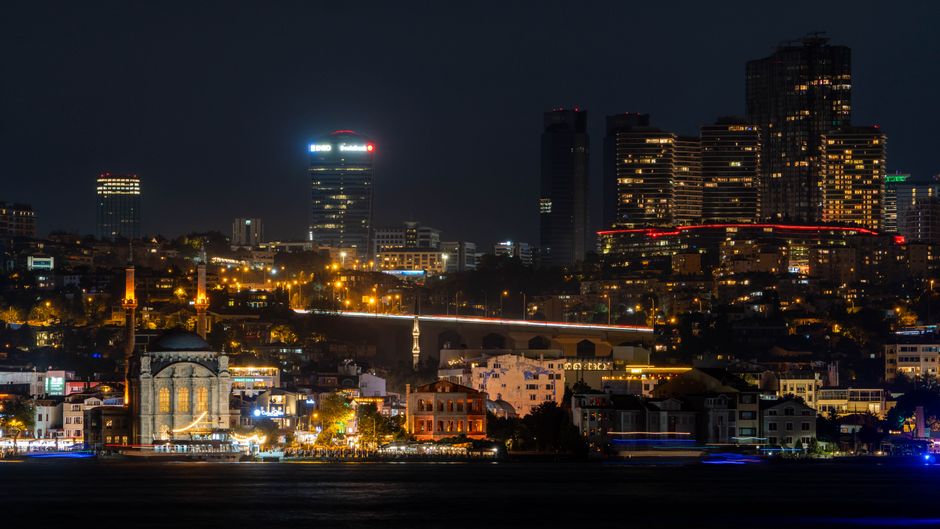
The transformation is visible from the street. Walk down İstiklal Caddesi or through the converted warehouses of Dolapdere, and you'll see it: gleaming glass storefronts advertising hot-desking, private pods, and all-day coffee. Istanbul's coworking revolution, quietly building momentum over the past five years, has suddenly accelerated into a major investment story.
The numbers tell the tale. According to research firms tracking Turkey's real estate tech sector, flexible workspace operators have secured over $340 million in funding since 2023, with Istanbul capturing roughly 60 percent of that capital. Major international players including WeWork—which maintains three locations across Şişli and Beşiktaş—have been joined by homegrown competitors like Kolektif House and Çalışkan, which now operate 15 locations citywide.
What's driving this surge? The post-pandemic normalisation of remote work created unexpected demand. Companies no longer need sprawling headquarters; employees no longer want cramped home offices. Monthly desk rental rates in premium Beyoğlu locations now hover between $400–$650, undercutting traditional lease agreements by 40 percent, making the economics irresistible for growing firms across finance, design, and software development.
Turkish venture capitalists have taken notice. Emerging funds focused on workplace infrastructure have multiplied. Last year alone, three Istanbul-based coworking startups closed Series A rounds exceeding $2 million each. Investors point to demographic advantages: Istanbul's population of 16 million, its concentration of young professionals, and its position as a bridge between Europe and Asia make it uniquely positioned for scaled workspace innovation.
Yet the story extends beyond economics. Coworking operators report that 35 percent of their members work for remote-first companies based outside Turkey, drawn to Istanbul's lower costs and quality-of-life appeal. This has created a subtle but significant shift in the city's knowledge economy. Neighbourhoods like Kadıköy and Galata, historically associated with creative industries, are now hubs for distributed global teams.
Industry analysts caution that growth rates may moderate as the market matures. Oversupply threatens margins in secondary locations. Regulatory uncertainty around commercial zoning in residential areas persists. Still, major operators are betting on continued expansion—three new flagship facilities are scheduled to open by late 2026.
For Istanbul, the coworking trend represents more than architectural churn. It signals how a global city adapts to fundamental shifts in how work happens, and how capital flows toward that adaptation.
This article was compiled by AI from the sources linked above and screened before publishing. See our editorial standards.