Istanbul's Digital Makeover: How Smart City Tech Is Reshaping Daily Life for Residents
From Beyoğlu's traffic lights to Kadıköy's waste bins, AI-powered systems are quietly transforming how millions navigate Turkey's largest city.
From Beyoğlu's traffic lights to Kadıköy's waste bins, AI-powered systems are quietly transforming how millions navigate Turkey's largest city.
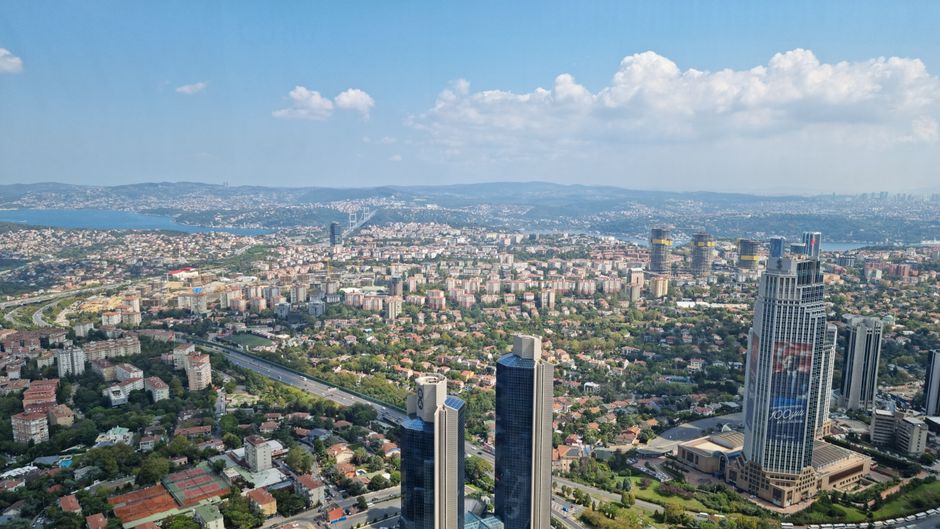
Walking down İstiklal Avenue on a Tuesday evening, Mehmet Yılmaz barely notices the subtle shift in traffic flow anymore. Where congestion once clogged the pedestrian-heavy thoroughfare in Beyoğlu, adaptive signal systems now synchronize with real-time foot traffic patterns. "The commute from Taksim to Galata used to take 20 minutes," the 42-year-old marketing manager says. "Now it's predictable."
This is Istanbul's digital transformation in action—less flashy than Silicon Valley announcements, but deeply embedded in the routines of its 15 million residents. The city's €280 million smart city initiative, launched across five districts including Beyoğlu, Kadıköy, and Fatih, has moved beyond pilot phases into the texture of everyday life.
The numbers tell part of the story. Smart waste management systems in Kadıköy have reduced collection inefficiencies by 34% since 2024, cutting unnecessary truck routes through already-congested streets. Real-time air quality sensors across Üsküdar and Şişli now feed directly into residents' phones—a critical feature given Istanbul's seasonal pollution challenges. Municipal water loss in the Asian side has dropped from 42% to 28% through IoT-enabled leak detection across the aging pipe infrastructure.
But the real impact emerges in smaller moments. Parents waiting at bus stops in Beşiktaş now see accurate arrival times instead of guessing games. Small shop owners in the Grand Bazaar vicinity access subsidized energy pricing through the city's smart grid program. Healthcare clinics in Zeytinburnu use integrated digital records that eliminate the paper chaos of the past.
"Smart city tech isn't about surveillance cameras and dystopian control," says Dr. Ayşe Kaya, a policy researcher at Istanbul Technical University's urban technology lab. "It's about optimizing a system that serves 15 million people with infrastructure designed for five million."
Yet challenges persist. Digital literacy gaps mean older residents in neighborhoods like Balat sometimes struggle with new systems. Data privacy concerns linger, particularly among privacy advocates skeptical of centralized municipal data collection. And the technology's full potential remains capped by aging infrastructure in some areas.
Still, for most Istanbul residents moving through their days, the transformation has been quietly beneficial. Ferry schedules sync with bus arrivals at Eminönü. Parking apps reduce the 15-minute hunts that once defined Nişantaşı evenings. Energy bills reflect actual consumption rather than estimates.
Istanbul's smart city story isn't revolutionary rhetoric—it's the mundane comfort of systems that simply work a little better than they did before.
This article was compiled by AI from the sources linked above and screened before publishing. See our editorial standards.
How does this story make you feel?
Spread the word
About this article
Published by The Daily Istanbul
Daily brief
Free, in your inbox before 7am. Weekdays.
More in tech