Technology
Istanbul's Tech Giants Unveil Ambitious Roadmaps for Next Generation Products
From AI-powered logistics to climate-tech breakthroughs, the city's innovation hubs are mapping out ambitious releases through 2027.
How we reported this
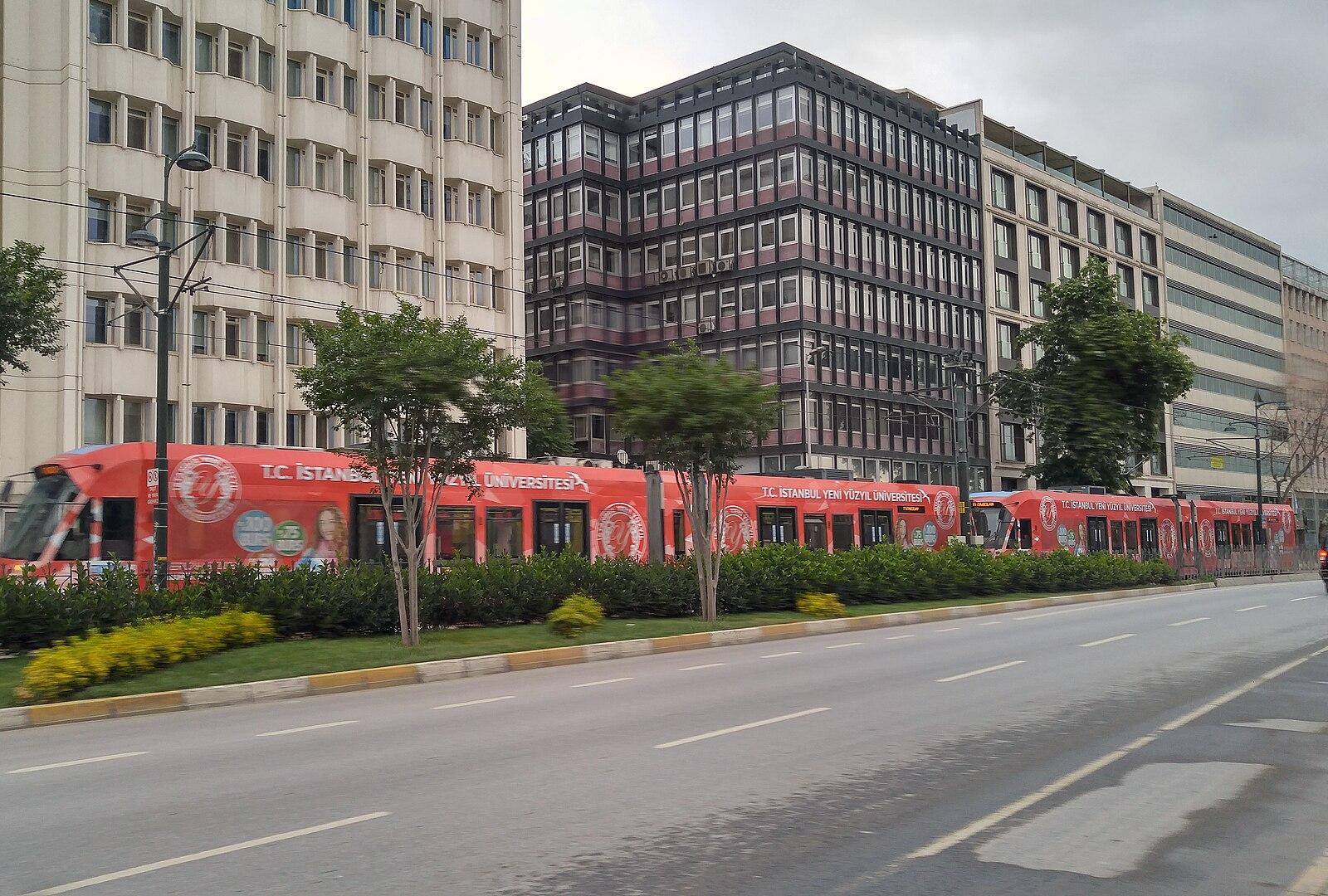
Istanbul's technology sector is entering a pivotal phase, with companies headquartered across the city's thriving tech corridors-from Beşiktaş to Kadıköy-announcing significant product roadmaps that signal the region's growing influence in artificial intelligence, green technology, and digital infrastructure.
Several major players operating from Istanbul's innovation hubs are preparing launches that could reshape market dynamics. Companies based in the Beşiktaş district, home to over 200 registered tech startups, are reportedly finalizing next-generation logistics software designed to optimize supply chains across Eastern Europe and Western Asia. Industry sources indicate these platforms will integrate machine learning algorithms to predict demand fluctuations with unprecedented accuracy, addressing chronic inefficiencies that have cost Turkish logistics operators approximately $4.2 billion annually.
The Kadıköy waterfront district, increasingly recognized as Istanbul's answer to global tech neighborhoods, is witnessing particular momentum in climate technology. Multiple startups incubated at the Galata Port innovation space are advancing environmental monitoring systems leveraging satellite data and IoT sensors. At least three companies plan commercial releases by Q1 2027, targeting waste management optimization and real-time carbon emissions tracking for industrial facilities across Turkey and the Balkans.
Meanwhile, the Ümraniye technology park-Istanbul's largest concentrated hub with over 450 companies-is seeing renewed investment in cybersecurity applications. Developers there are constructing end-to-end encryption platforms tailored for financial institutions, healthcare providers, and government agencies navigating increasingly sophisticated threat landscapes. Early partnerships with regional banks suggest deployment could begin within eighteen months.
The momentum reflects broader economic indicators. Istanbul's tech sector attracted $850 million in venture capital during 2025, a 34 percent increase year-on-year, according to data compiled by local investment networks. This capital influx is accelerating product development cycles, with many companies compressing timelines from traditional 24-month development periods to 14-16 months.
What distinguishes Istanbul's emerging product landscape is its geographic positioning. Companies here operate at the intersection of European and Asian markets, enabling them to address challenges specific to transcontinental commerce and cross-border digital governance-advantages their Silicon Valley counterparts lack.
Beyond individual company launches, the city's collaborative ecosystem is strengthening. The Istanbul Technology Association recently announced expanded accelerator programming focusing on deep-tech verticals, selecting 28 cohort companies whose combined roadmaps span blockchain infrastructure, advanced manufacturing software, and precision agriculture platforms.
By 2027, analysts predict these launches could contribute an estimated $1.8 billion in new revenue streams for the Istanbul tech economy, cementing the city's reputation as more than a regional player-positioning it as a serious contender in global technology markets.