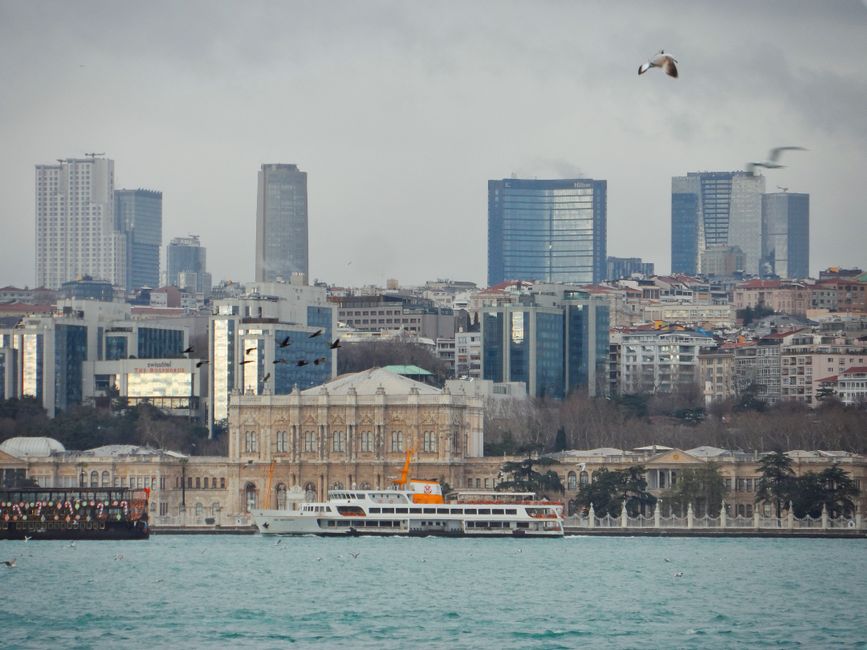
Walk through Beşiktaş on any given Tuesday and you'll find yourself amid a quietly revolutionary energy transition. The neighbourhood, once defined by traditional shipping and finance, has become home to over forty climate-tech startups in the past four years. Unlike Silicon Valley's solar obsession or Berlin's wind-farm focus, Istanbul's clean energy ecosystem is distinctive precisely because it must be: a city of 16 million people sitting at the intersection of European climate mandates and Middle Eastern energy politics.
This geographic peculiarity is the city's competitive advantage. Turkish startups developing battery storage solutions, grid-balancing software, and industrial carbon capture technology aren't solving problems in isolation. They're building tools for markets that Western European companies ignore and Chinese firms can't easily penetrate—the complex, price-sensitive energy landscapes of Turkey, the Balkans, and Central Asia.
"Istanbul's tech community benefits from real-time exposure to genuine infrastructure challenges," explains the thinking at innovation hubs like Galata Tower's Tech Valley district, where companies like Enerji+, a smart microgrid platform, scaled from concept to regional deployment in 18 months. The venture capital flowing into these projects reflects this reality: Turkish clean-energy startups raised approximately $340 million in 2024, with Istanbul accounting for roughly 65 percent of that activity.
The cost structure matters too. While a senior software engineer in San Francisco commands $180,000 annually, equivalent talent in Istanbul costs $55,000–$75,000, allowing startups to hire larger teams and experiment faster. This efficiency extends to infrastructure. Companies testing grid-integration solutions can do so across Turkey's fragmented regional networks—a living laboratory that Western-focused firms never access.
What truly distinguishes Istanbul is its role as a bridge market. Turkish companies are already exporting energy-management software to Egypt, Pakistan, and Azerbaijan. Their solutions account for local grid instability, subsidy structures, and the intermittency problems that plague rapidly industrializing nations. These aren't problems solved by copying California's playbook.
The city's renewable energy targets—Turkey aims for 53 percent renewable electricity by 2035—create demand that attracts entrepreneurs. Meanwhile, the country's manufacturing heritage in electrical components and industrial automation provides supply-side advantages startups can leverage.
By 2026, as global clean-tech investment increasingly chases "emerging market" opportunities, Istanbul's ecosystem advantage becomes clearer: it's not trying to replicate established models. It's building the playbook that works when Western capital, Eastern constraints, and Middle Eastern pragmatism collide.
This article was compiled by AI from the sources linked above and screened before publishing. See our editorial standards.