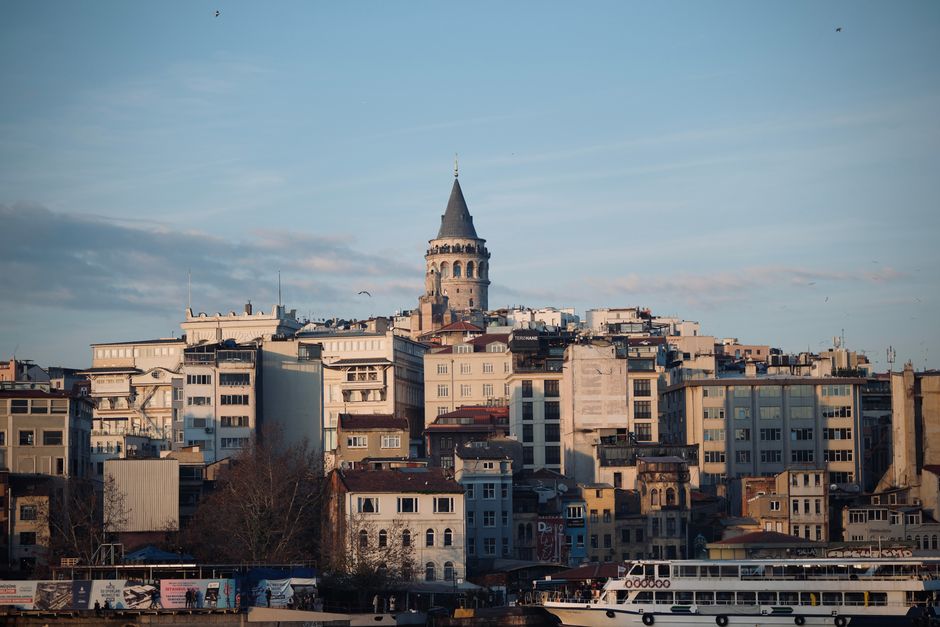
Walk through Beyoğlu's warren of converted warehouses and you'll find something unexpected: a thriving cluster of cleantech startups that have little in common with Silicon Valley's venture-backed darlings. Instead, Istanbul's green tech ecosystem has evolved to solve problems that matter to 1.5 billion people across Europe, the Middle East, and Asia—regions where energy poverty and water scarcity are not abstract policy challenges but daily realities.
The city's geographic position has become its greatest asset. Companies headquartered in Istanbul's tech hubs—from the startup-dense corridors around Galata Tower to the emerging innovation zones in Kadıköy—operate naturally across three time zones. This creates a rare advantage: the ability to bridge emerging-market demand with European regulatory standards. Turkish cleantech firms are increasingly becoming the bridge technology, adapting European sustainability solutions for markets where infrastructure and purchasing power differ dramatically from the West.
Consider water technology. Istanbul draws 60% of its freshwater from the Black Sea region, but rapid urbanization has strained the system. This pressure has spawned a specialized cluster of water-efficiency startups—companies designing affordable desalination and wastewater recycling systems. Unlike Western competitors serving wealthy municipalities, these firms must prove viability at price points accessible to Southeast Asian and North African markets. The constraint becomes competitive advantage.
Energy transition presents similar dynamics. Turkey's ambitious goal to reach 53% renewable capacity by 2035 has created urgent demand for grid management software, battery storage optimization, and microgrid solutions. Companies like those incubated through Istanbul's growing sustainability-focused accelerators operate in an environment where climate goals aren't theoretical—they drive policy contracts worth millions across the region.
What distinguishes Istanbul's ecosystem isn't just geography; it's workforce composition. The city's universities produce engineers trained in both European standards and emerging-market pragmatism. Labor costs remain significantly lower than Western Europe—a senior cleantech engineer in Istanbul costs roughly 40% less than in Berlin—while talent retention remains high. This combination attracts venture capital increasingly skeptical of American valuations. Over the past three years, cleantech investments in Turkish startups have grown 180%, according to local venture tracking.
The city's cultural position matters too. Istanbul hosts headquarters for European, Middle Eastern, and Asian operations for global tech firms. This creates natural networks for partnership and recruitment. Companies can launch pilots across multiple regions from a single office, reducing the friction that typically slows green tech scaling.
By 2026, Istanbul has quietly become less a follower of global sustainability trends and more an origin point for solutions the world actually needs.
This article was compiled by AI from the sources linked above and screened before publishing. See our editorial standards.