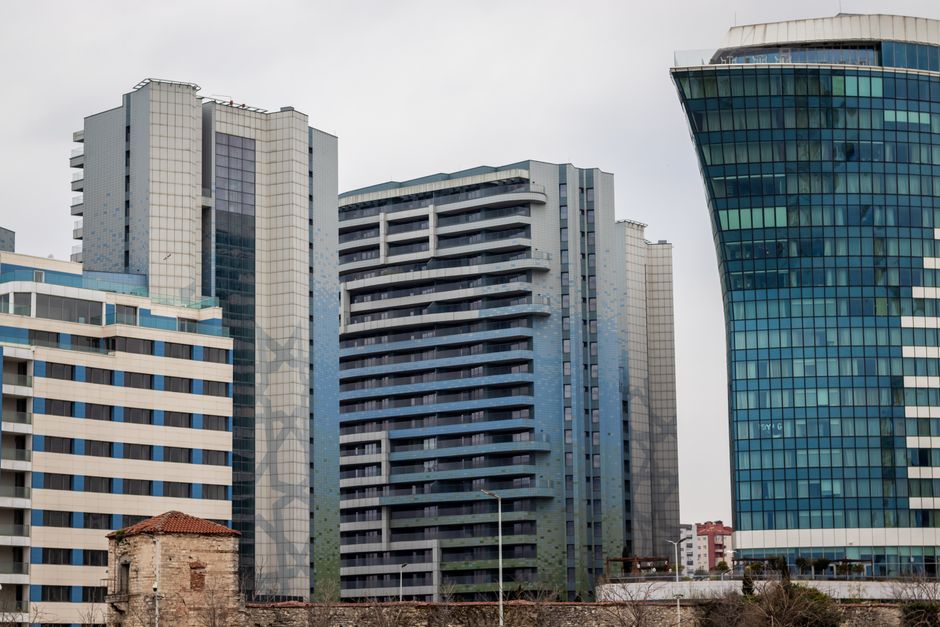
The tech district running along İstiklal Caddesi and into Beyoğlu has witnessed explosive growth over the past eighteen months, with AI-focused startups now occupying nearly 40% of premium office space in the area. Yet conversations in coworking hubs like those clustered around Galata Tower reveal a consistent theme: the real transformation hasn't arrived yet. It's coming in the next eighteen months.
Several Istanbul-based AI firms and international players establishing regional headquarters in the Levent financial district are preparing product launches that could reshape local commerce. Enterprise automation platforms tailored for Turkish supply chains—particularly relevant given Istanbul's role as a transcontinental logistics hub—are entering final development phases. Industry sources indicate these tools will target the estimated 50,000+ small and medium enterprises across the metropolitan area struggling with inventory and workforce management.
One particularly significant development involves localized large language models trained on Turkish business documentation and regulatory frameworks. Currently, most SMEs in the Fatih and Eminönü commercial zones rely on English-language AI assistants, creating efficiency gaps. Multiple teams are racing to deploy Turkish-first alternatives by Q4 2027. The potential market is substantial: Istanbul's business services sector alone employs over 180,000 people, many of whom could benefit from AI-native tools designed for local legal, financial, and administrative contexts.
The autonomous logistics angle deserves particular attention. The congestion reality of Istanbul's arterial routes—Bosphorus crossings, the E-5 highway corridors—makes route optimization AI increasingly valuable. Several firms have signaled they're developing hyper-localized delivery prediction systems capable of navigating Istanbul's Byzantine geography. For e-commerce platforms centered in neighborhoods like Şişli and Maslak, such tools could reduce delivery times by 25-35%, according to preliminary research.
What distinguishes Istanbul's trajectory from other emerging tech hubs is the emphasis on regulatory compliance. The Turkish government's growing interest in data sovereignty has pushed local developers toward building infrastructure that keeps sensitive business data within national borders. This constraint, counterintuitively, has become a competitive advantage for Istanbul-based firms pitching to regional clients across Central Asia and the Middle East.
Real estate prices in Beyoğlu's tech corridors have climbed 18% year-over-year, signaling investor confidence in the sector's near-term expansion. Yet skeptics note that execution remains Istanbul's perennial challenge. Previous tech booms have faltered when products failed to move from prototype to market adoption. This time, local accelerators and corporate venture arms seem more disciplined about product-market fit before scaling.
By mid-2027, the roadmaps being quietly finalized today could determine whether Istanbul claims meaningful ground in the global AI economy—or remains primarily a hub for training talent who build products elsewhere.
This article was compiled by AI from the sources linked above and screened before publishing. See our editorial standards.