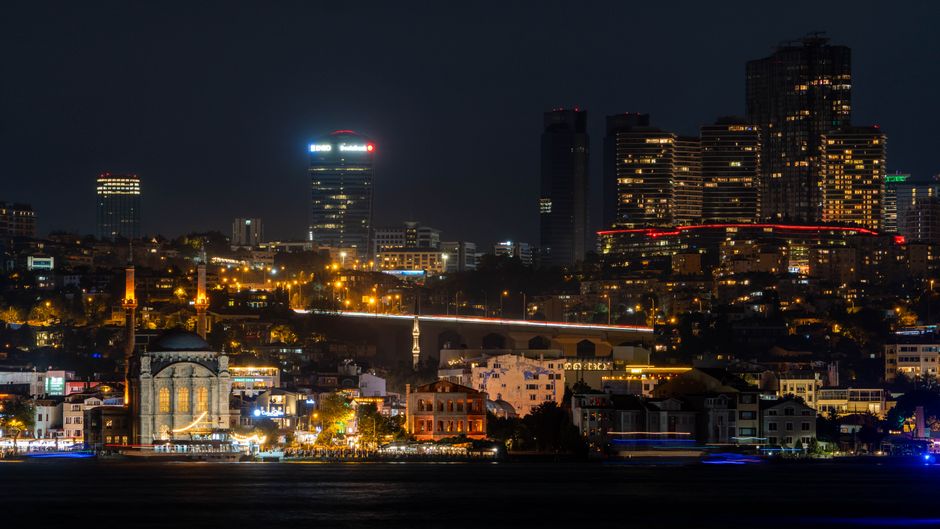
Walk through Beşiktaş on a Tuesday morning and you'll notice something that would have seemed impossible five years ago: electric minibuses outnumber their diesel counterparts on the main arteries toward the ferry terminals. The Istanbul Metropolitan Municipality's expanded e-bus fleet now covers 47 routes across the city, reducing commute costs for residents by an estimated 18 percent compared to traditional public transport. For Fatih neighbourhood commuters, the shift means cleaner air and quieter mornings—a tangible difference in a district where traffic fumes once hung thick over centuries-old streets.
The residential transformation runs deeper than public transport. Across Kadıköy and Şişli, rooftop solar installations have become as common as satellite dishes once were. The Turkish government's renewable energy incentive programme, revised in 2024, has made home solar systems financially accessible for middle-class families; the average 5-kilowatt residential installation now pays for itself within eight years, down from twelve in 2022. Building cooperatives in Beşiktaş have collectively installed 340 panels, generating enough surplus energy to feed back into the grid.
Water management has emerged as the most visible daily-life changer. Istanbul's chronic water scarcity—exacerbated by three consecutive drought years—prompted the deployment of AI-powered smart metres across Fatih, Beyoğlu, and Bağcılar districts. These systems detect leaks within hours rather than weeks, and residents receive real-time consumption alerts via smartphone apps. One Nişantaşı family reduced water usage by 31 percent after installing smart fixtures alongside the monitoring system, their monthly bills reflecting the savings immediately.
Green spaces themselves have become technology hubs. Gülhane Park's new smart irrigation system, installed last year, adjusts watering schedules based on weather forecasts and soil moisture sensors, cutting water consumption by 40 percent during dry months. Young professionals in nearby Eminönü now jog past functioning examples of the sustainability they read about online.
Not everything is seamless. Integration between municipal systems remains patchy, and uptake among lower-income neighbourhoods like parts of Zeytinburnu lags significantly. Yet the momentum is undeniable. Istanbul's tech community—increasingly focused on climate solutions—sees opportunity where older infrastructure once seemed immovable. For the estimated 15 million residents navigating daily life in this sprawling metropolis, green technology has shifted from aspirational to practical, from headline to habit.
This article was compiled by AI from the sources linked above and screened before publishing. See our editorial standards.